Christmas Catalogs and Wishbooks We Waited For
Sears wasn't the only Christmas book in the mailbox. Here's how Ward's, Penney's, Spiegel and the Green Stamp Ideabook stacked up.
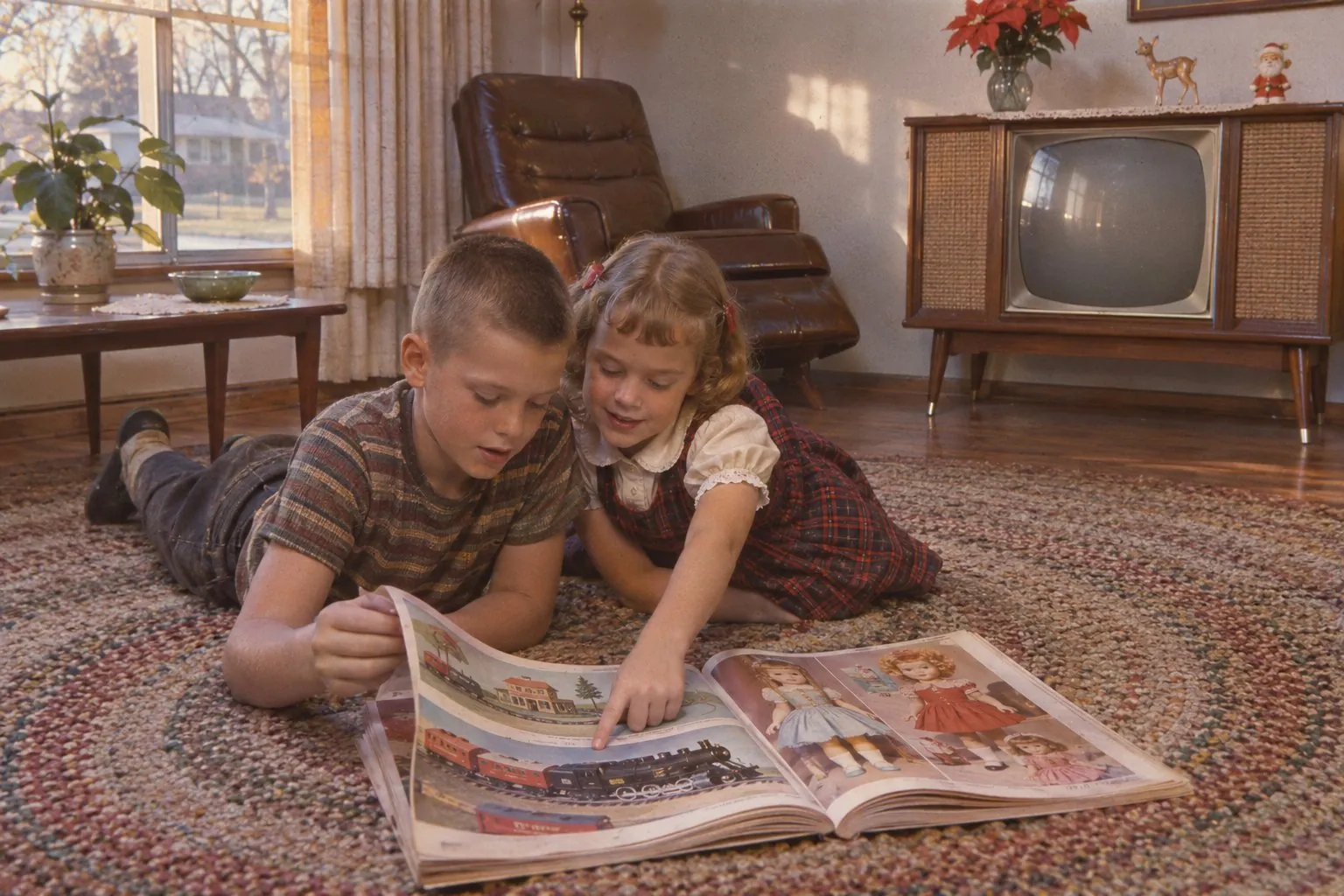
Besides Sears, the Christmas wish books that came in the mail were Montgomery Ward's, J.C. Penney's (starting in 1963, according to KRCU's Telling History) and Spiegel's out of Chicago. Lots of families also kept the S&H Green Stamps Ideabook on the coffee table. Those catalogs and wishbooks turned up in late summer or early fall, and from then until Christmas they didn't leave the living room.
You probably remember which one your house waited for. In some homes it was Sears, no question. Others were Ward's families or Penney's families, and the lucky kids got all three and compared them.
Here's a look at each one, how it got started and what made it different.

When the Sears Christmas wishbook hit the mailbox
Sears started it. The company's first Christmas Book came out in 1933 with 87 pages, and 25 of those were toys, the Harvey County Historical Society notes. That first book sold a Mickey Mouse watch, Lionel train sets, a "Miss Pigtails" doll and even live singing canaries, according to the Newspapers.com blog.
The name came from customers. Before 1933, people already called the big general catalog the "Wish Book" or "Book of Wishes," says the Sears Archives. Sears finally made the name official in 1968. That year's Wish Book ran 605 pages, with 225 of them for toys and 380 for grown-up gifts, the Sears Archives reports.
It came early. History.com says the catalog reached mailboxes in late August or early September. That gave you three good months to wear the toy pages soft.
Read more: Ben Cooper Costumes: Who Dressed America's Trick-or-Treaters
Ward's, the store that gave us Rudolph
If your family shopped at Ward's, you had a Christmas catalog with just as much history behind it. KRCU's Telling History says the Montgomery Ward Christmas catalogs were "every bit as old as Sears."
Ward's also left us something everyone still knows. In 1939 the Chicago company asked a 34-year-old copywriter, Robert L. May, to write a Christmas story it could hand out to shoppers, the Smithsonian explains. The story was "Rudolph the Red-Nosed Reindeer," and Ward's gave away 2.4 million copies that first year, according to the Smithsonian.
Gene Autry's 1949 record made Rudolph a song, the Smithsonian notes. So if you were a Ward's kid, the reindeer on the radio came out of the same Chicago company as the catalog on your table.

Penney's joins in 1963
Penney's came along later. J.C. Penney issued its first catalog in 1963, Cowboy State Daily reports, and it shipped orders from a distribution center in Milwaukee. To start, catalog desks inside the stores covered eight states, according to Cowboy State Daily.
So if you grew up in the '50s, Penney's was a store downtown, not a book in the mailbox. By the late '60s and '70s, plenty of families had both the Penney's and the Sears books going at once. The Harvey County Historical Society remembers the Penney's "Big Book" and the Sears Wish Book both showing up around mid-August.
Kids didn't care much who came first. As KRCU's Telling History puts it, children called all three of them wish books, even though "Sears was the real McCoy."
Spiegel and the other catalogs and wishbooks
Spiegel was the other big Chicago mail-order house. The company was founded in 1865 and mailed catalogs from 1905 until the early 2000s, according to the Internet Archive, which has scanned its Christmas 1976 catalog. The Spiegel Christmas 1972 catalog is there too, so you can look through it page by page.
The Green Stamp book
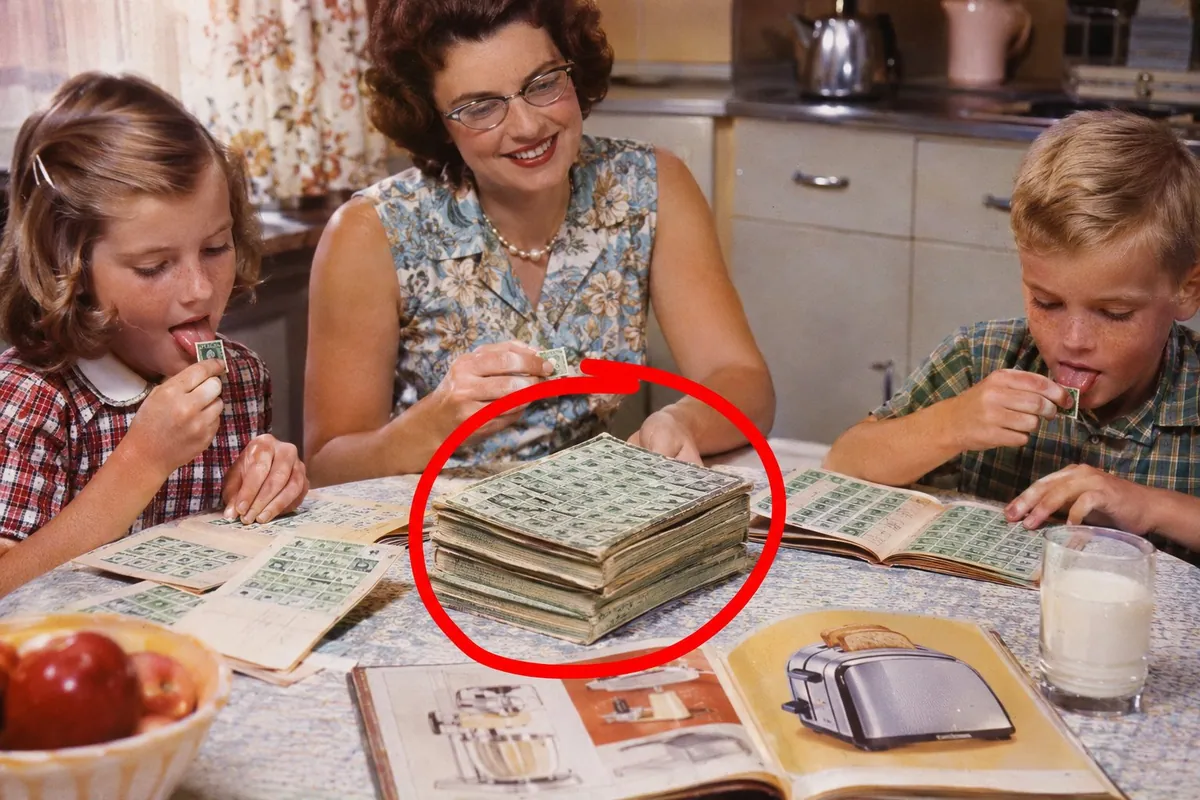
Then there was a different kind of wish book. You probably remember the strips of little green stamps the cashier handed over at the supermarket or the gas station. Somebody at the kitchen table licked them and pressed them into the booklets, page by page.
What could you get for books full of S&H Green Stamps?
Each S&H booklet had 24 pages, and it took 50 points to fill a page, so a full book held 1,200 points, Antique Trader explains. The catalog was best known as the "Ideabook," and the redemption stores carried brands like General Electric, Samsonite, Spalding, Kodak and Bulova, Appen Media recalls. Families kept trading in stamps until 1989, Appen Media notes.
Which book did your family wait for?
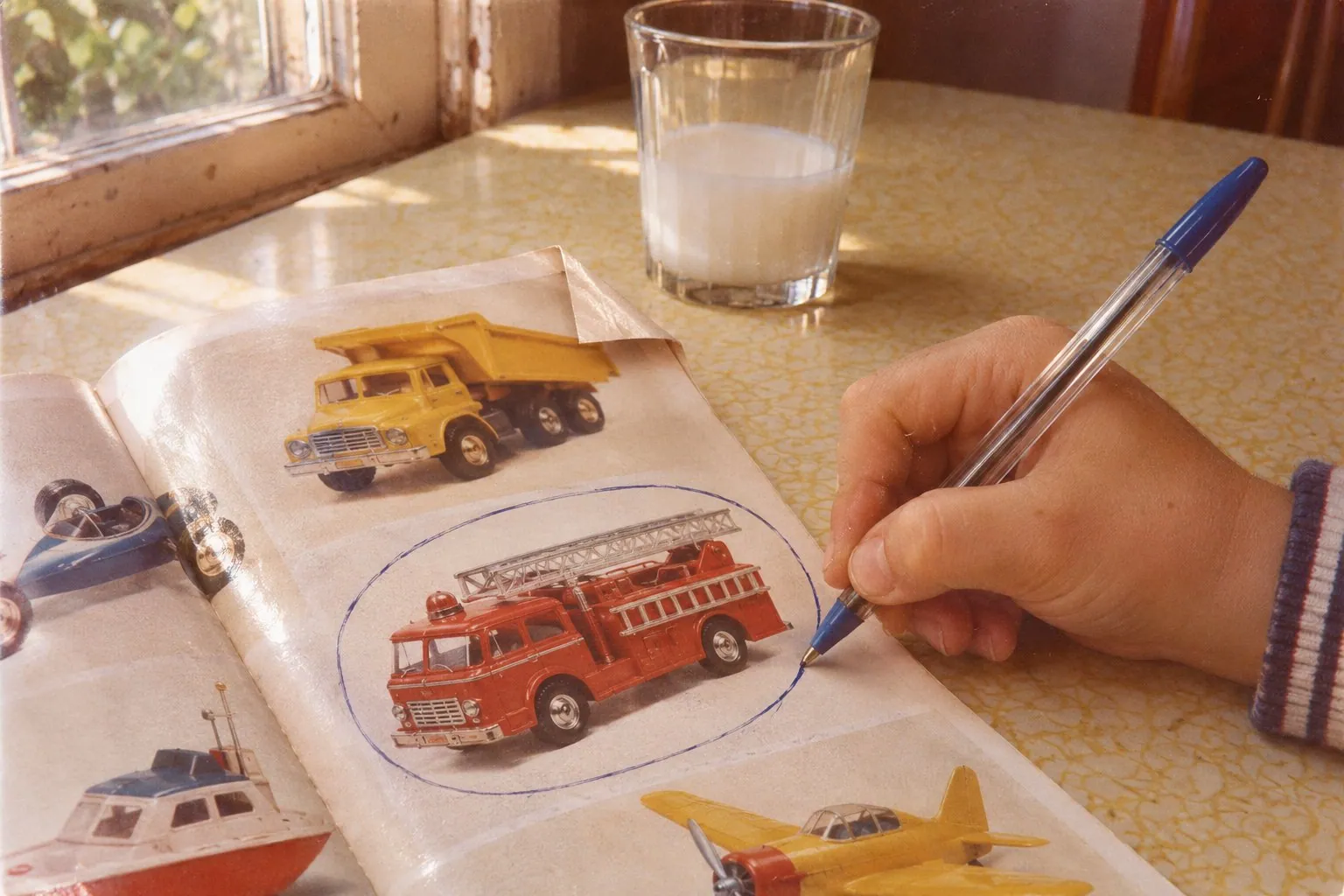
What the book was mattered less than what you did with it. You may remember circling things in ballpoint, folding down page corners, or writing your initials next to a toy so your brother would know it was spoken for. Arguments over who got the catalog first could last through a whole Saturday morning.
Jim Shulman, who writes a baby-boomer memories column for The Berkshire Eagle, remembers the Marx play sets in the Sears book. He also remembers knowing his parents couldn't buy most of what was in it. The name still fit, he wrote, because it "gave us a base for wishes and dreams even though they did not always become reality."
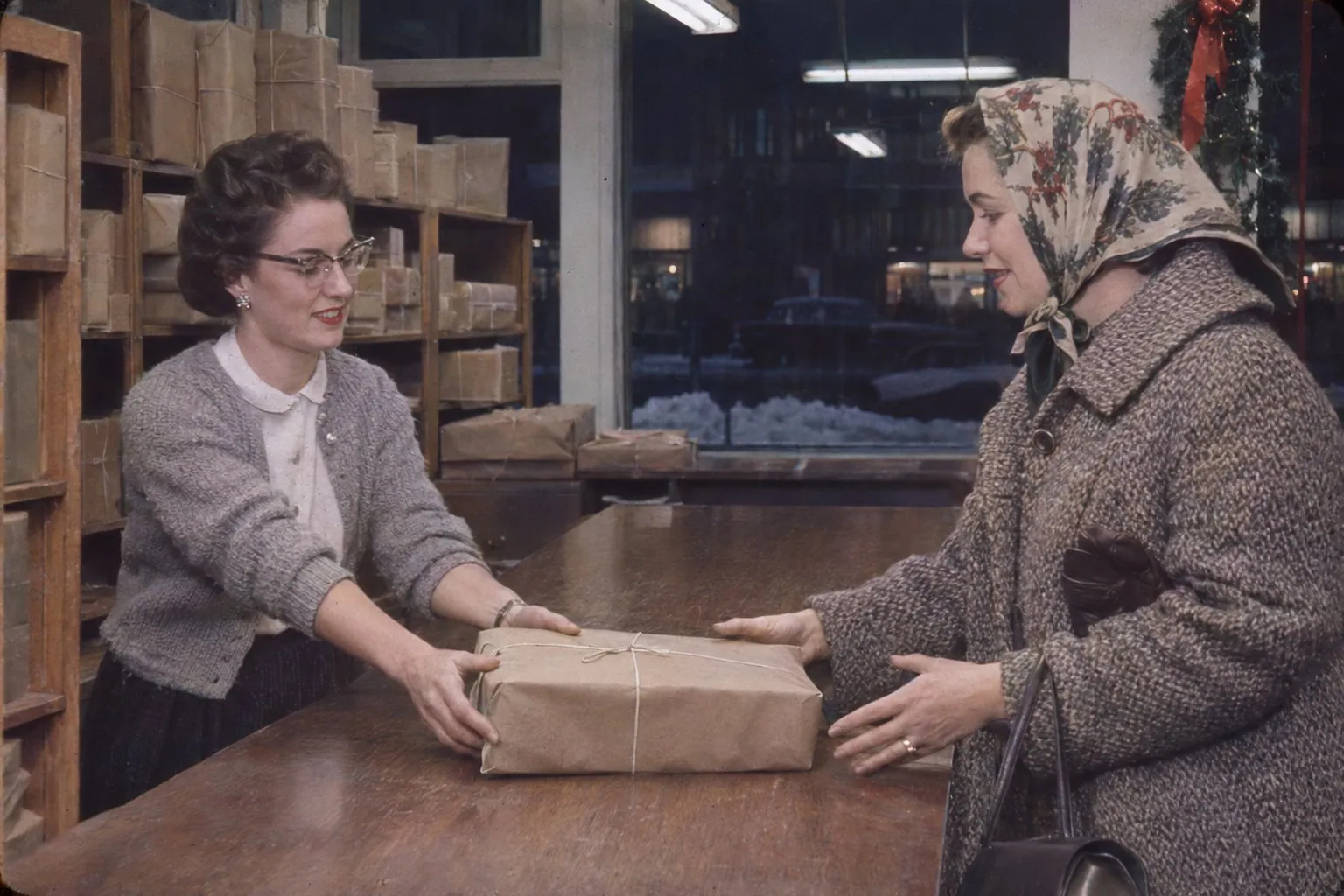
That matches what a lot of families went through. Your parents may have flipped through the same book after you went to bed, quietly picking out one thing to order. Some ordered by mail and some went to the catalog desk at the store. Some just used it to see what the toy department downtown ought to have.
How the catalogs wound down
The big books didn't last forever. Sears announced in 1993 that it was getting out of the catalog business, the Newspapers.com blog notes. Spiegel's catalogs ended in the early 2000s, according to the Internet Archive.
Penney's kept its Christmas book going longer. In one later year it mailed 10 million copies of a 532-page edition, Chief Marketer reported, still pointing back to its 1963 start.
The scanned copies people have put online let you find the exact page you circled fifty-some years ago. A lot of families have done just that.
Frequently asked questions
When did the Sears Christmas wish book catalog start?
Sears mailed its first Christmas Book in 1933, with 87 pages and 25 pages of toys. Customers already called it the Wish Book, and Sears made that the official name in 1968, according to the Sears Archives.
Did J.C. Penney have a Christmas wishbook?
Yes. Penney's first catalog came out in 1963, and a lot of families knew its holiday edition as the Penney's "Big Book." Kids called it a wish book along with the Sears and Ward's books, KRCU's Telling History notes.
Did Montgomery Ward have a Christmas catalog?
Yes, and KRCU's Telling History says Ward's Christmas catalogs went back as far as Sears'. Ward's also created Rudolph the Red-Nosed Reindeer in 1939 as a free booklet for shoppers.
Can you still look through old holiday wishbooks?
Yes. The Internet Archive has full scans of Spiegel's Christmas 1972 and 1976 catalogs and the 1968 S&H Green Stamps Ideabook. You can turn the pages online for free.
Sources
- The Sears Christmas Wish Book, A Holiday Tradition, Sears Archives, n.d.
- Rudolph the Red-Nosed Reindeer, Smithsonian Institution, n.d.
- Spiegel Christmas 1976 Catalog, Internet Archive, 1976
- Telling History: Wish Books, KRCU Public Radio, 2024
- Jim Shulman: The Sears Wish Book was a magical trove of dream gifts, The Berkshire Eagle, 2021
- S&H Green Stamps Had Consumers Saving By the Book, Antique Trader, n.d.
Related Stories
Love a trip down memory lane?
Get a fun quiz every morning. Free · One email a day · Unsubscribe anytime