The Studebaker Lark: The Compact That Saved South Bend
Studebaker's 1959 Lark was a hit that put the company back in the black. Here's how it went from that first year to the Daytona and the end in South Bend.
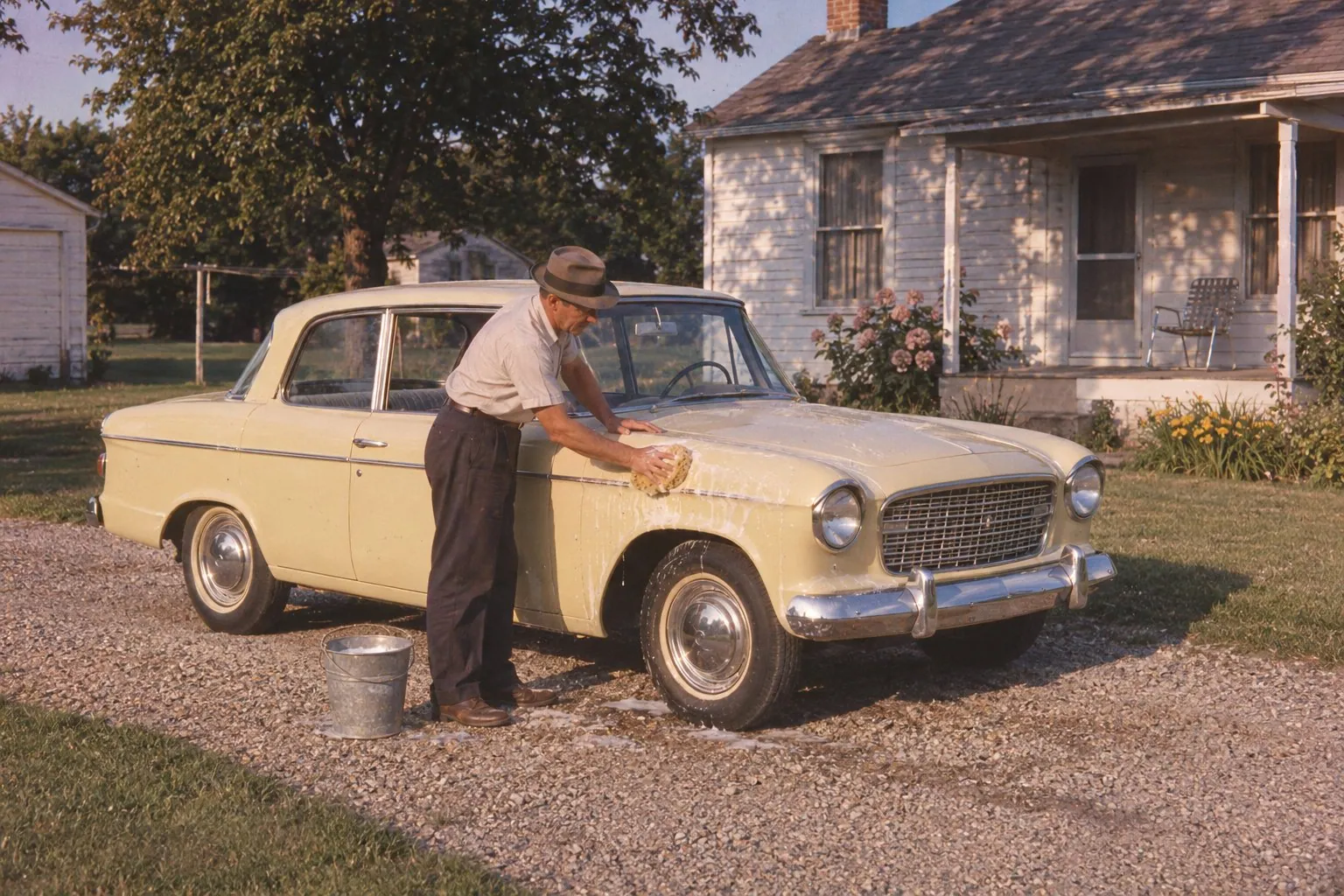
The Studebaker Lark was a compact car built in South Bend, Indiana, starting with the 1959 model year. Studebaker made it by cutting the front and rear off its full-size car. It was a little bigger than the Rambler American and, unlike that small Rambler, you could get it with a V8. It reached showrooms a full year before the Big Three's Ford Falcon, Chevrolet Corvair and Plymouth Valiant, and once those three came out for 1960, the Lark had a much harder time.
That one head start was enough to save the company, at least for a while. If you lived near South Bend, or just had a neighbor who swore by Studebakers, you probably remember how small the Lark looked parked next to a finned '59 Chevy or Buick in the church lot.
Here's how the Lark went from a surprise hit to the Daytona, the Cruiser and the Challenger, and what happened to the town that built it.
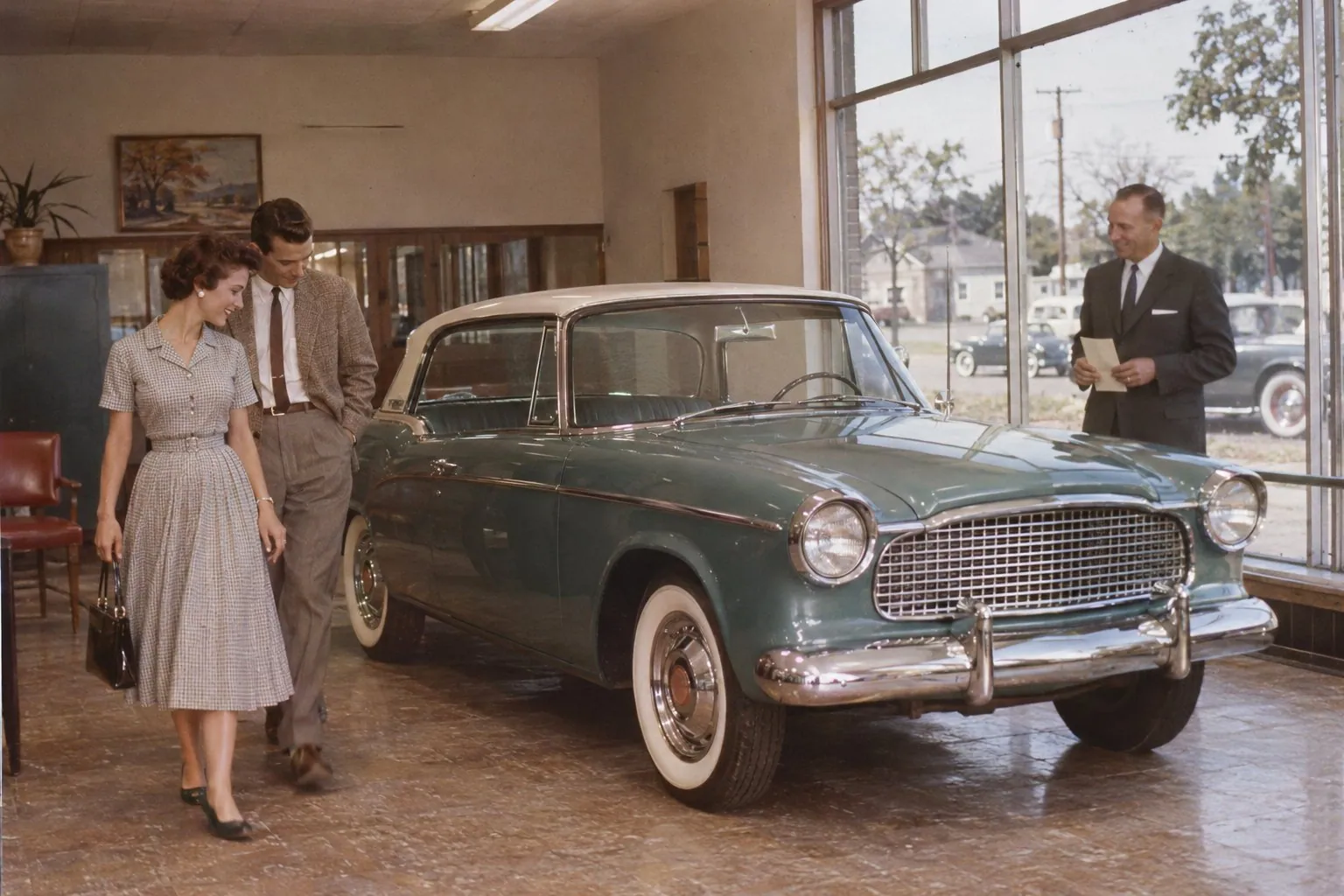
A hometown company in trouble
Studebaker went back a long way. The company was founded in 1852, according to an EBSCO history overview, and for many years it was the biggest employer in South Bend. After it merged with Packard in the mid-'50s, the Packard plants in Detroit were shut and all car and truck building moved to South Bend.
Right after the war, Studebaker's cars looked like nothing else on the road. People still argue about which year looked best.
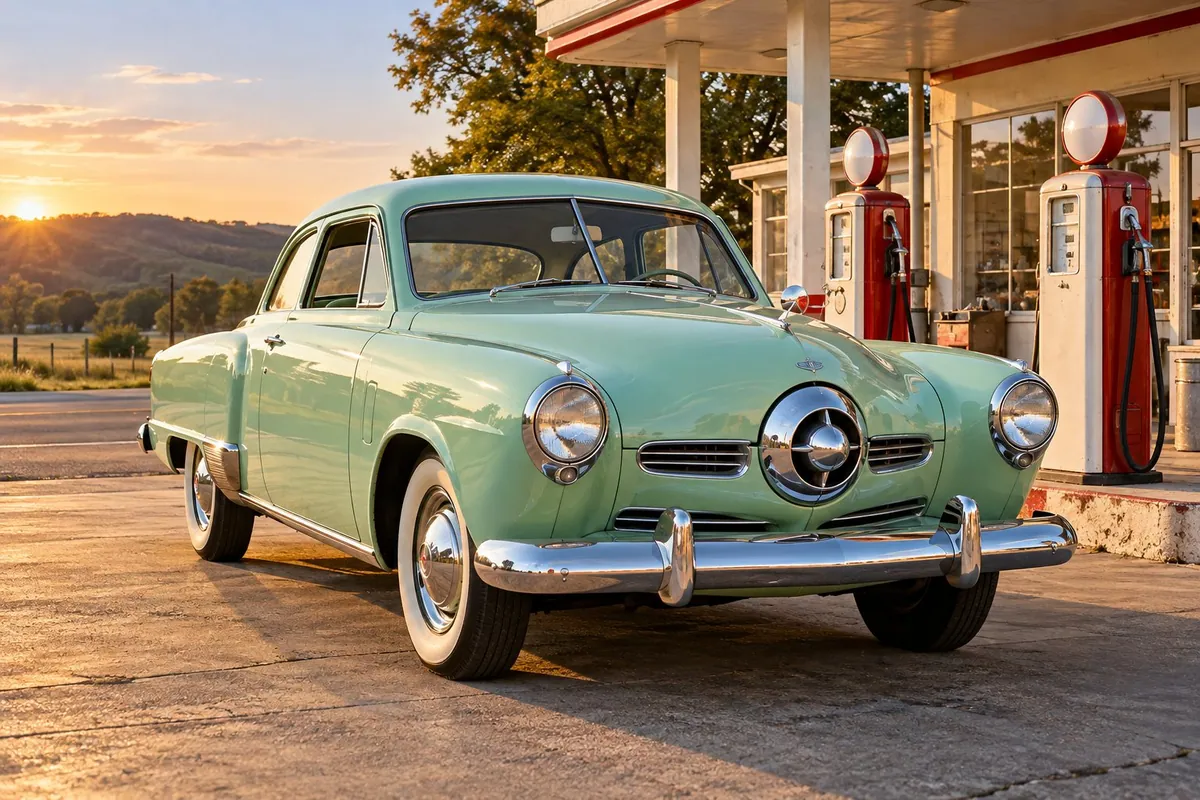
Its "bullet nose" made it look like an airplane. Which 1950 car is this?
By the late '50s, though, sales were falling. For 1957, Studebaker tried a stripped-down car called the Scotsman, but Driven to Write notes it was really just a big car with the extras taken out. That same site says work on a true compact began in the spring of 1957.
Read more: The 1950 Studebaker Bullet Nose: Coming or Going?
Why the 1959 Studebaker Lark sold so well
The 1959 Lark sat on a 108.5-inch wheelbase, and the station wagon on 113 inches, according to Conceptcarz. You could get a 169.6-cubic-inch six making 90 horsepower or a 259-cubic-inch V8 making 180. It had no tailfins at a time when almost everything in Detroit had them.
The price helped too. Conceptcarz lists 1959 Lark prices from $1,925 (about $20,800 today) up to $2,588 (about $28,000 today). The best seller on its production list was the plain six-cylinder Deluxe two-door sedan, at 33,259 built.
| What it was | Price then | About in today's dollars |
|---|---|---|
| 1959 Lark, cheapest model | $1,925 (1959) | $20,800 |
| 1959 Lark, most expensive model | $2,588 (1959) | $28,000 |
| 1962 Lark, most expensive model | $3,100 (1962) | $32,200 |
| 1963 Lark Standard | $1,935 (1963) | $19,900 |
Prices in the table come from Conceptcarz. Today's dollars use the U.S. Bureau of Labor Statistics CPI.
Conceptcarz counts 131,075 Larks built for 1959. TIME reported that Studebaker earned $28.5 million that year (about $308 million today). Driven to Write says it was Studebaker's first profitable year in six years.
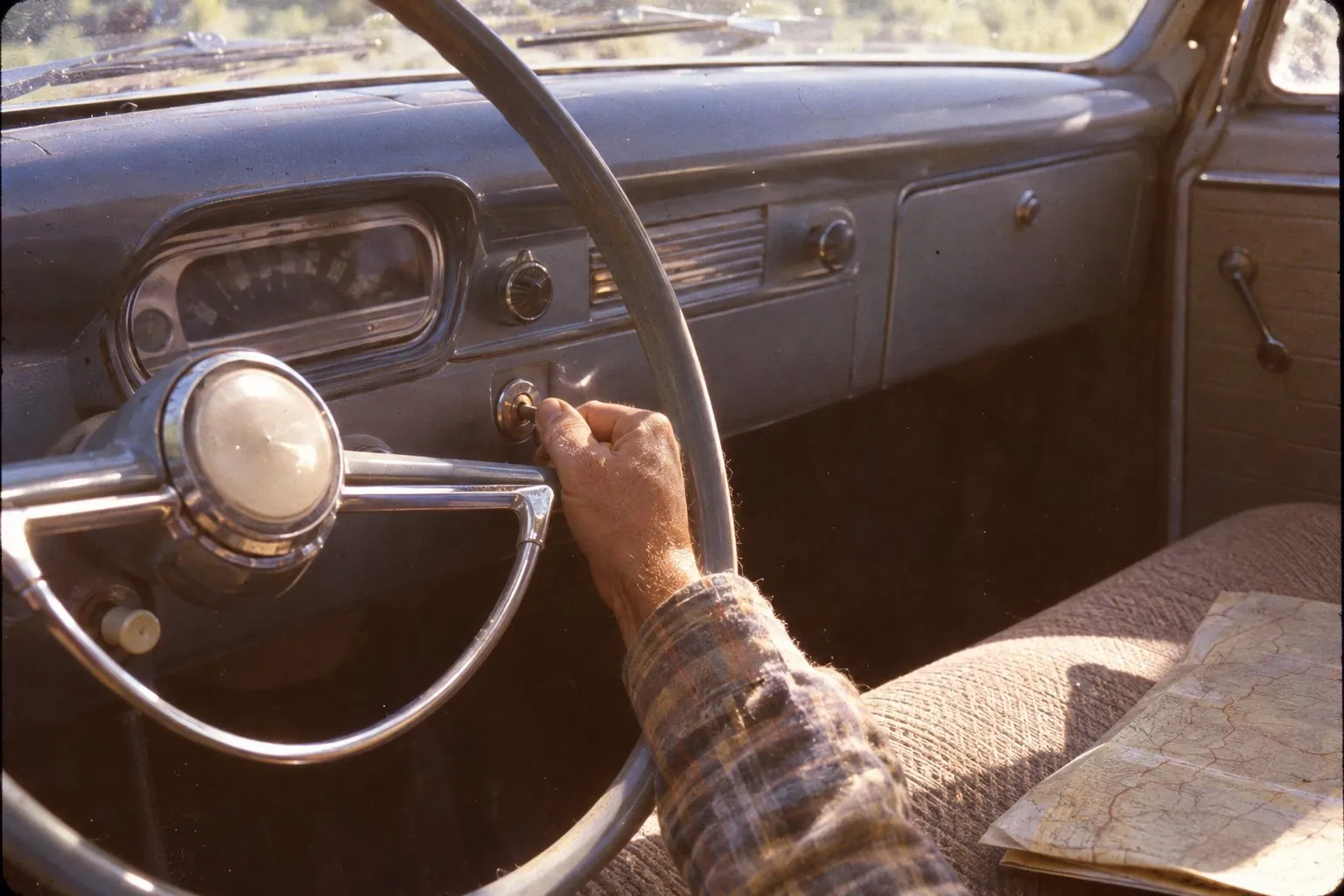
When Ford, Chevy and Plymouth showed up
The Lark was a 1959 car. The Falcon, Corvair and Valiant were 1960 cars. Once the Big Three had compacts of their own, many buyers stayed with the dealer they already knew.
For 1960, Studebaker added a Lark convertible and a four-door wagon. Conceptcarz still counted 122,186 Larks built that year. A longer Lark sedan called the Cruiser, built on the 113-inch wheelbase, sat at the top of the four-door line.
Even so, Larks were slipping. Mac's Motor City Garage puts 1961 Lark sales at not quite 65,000. Driven to Write says the company spent much of its early Lark profits buying other businesses, including Gravely lawn mowers, Onan generators and STP, rather than on new cars.
The Daytona and the new look for 1962
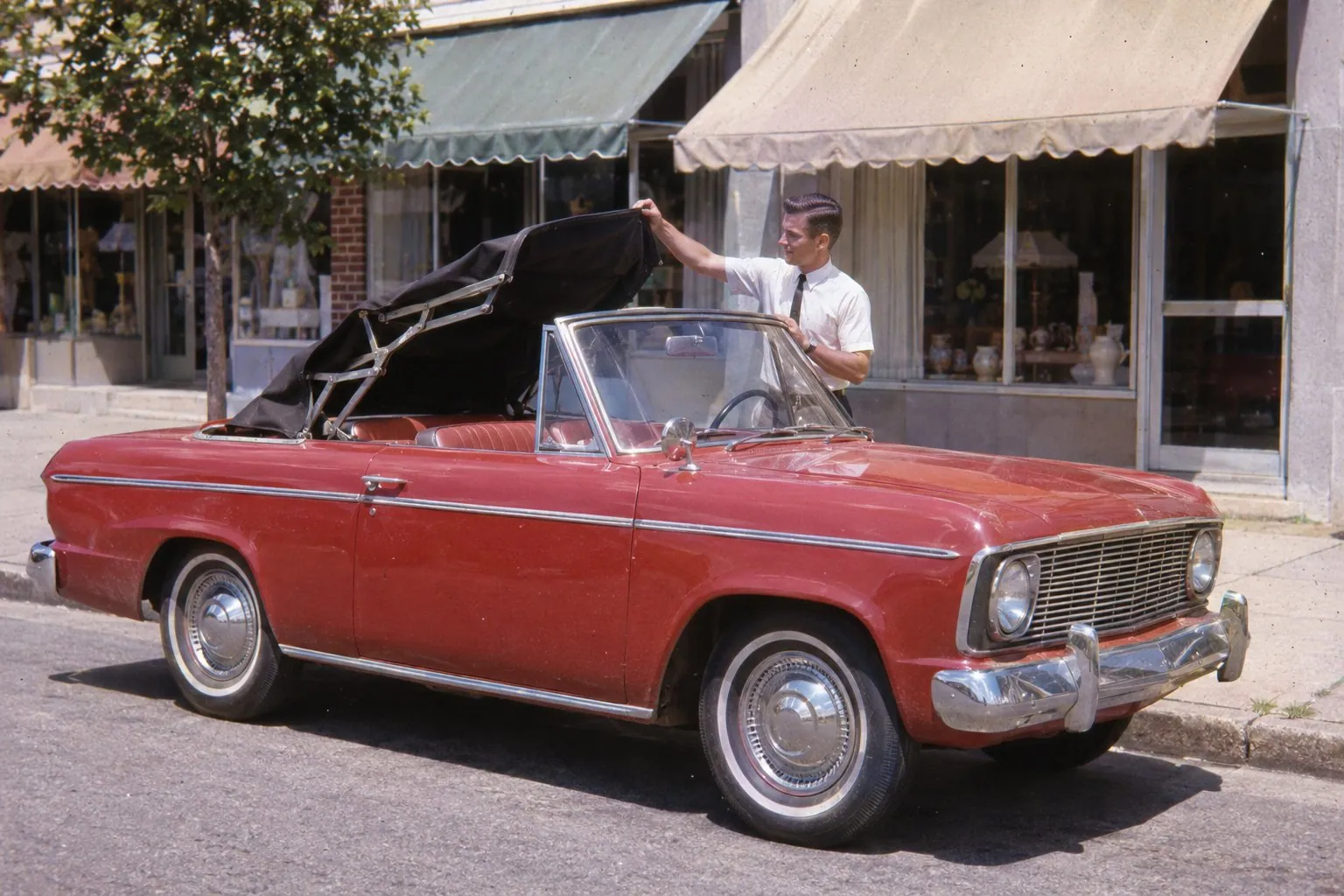
Sherwood Egbert, Studebaker's new president, asked the Milwaukee designer Brooks Stevens to freshen up the Lark on a small budget. Mac's Motor City Garage says Stevens gave it a new grille, new rear styling and longer rear fenders. Sedans and wagons rode on the 113-inch wheelbase, while the hardtop and convertible used a 109-inch one.
The new top model was the Lark Daytona. It came as a two-door hardtop or a convertible, with bucket seats, a console and a woodgrain dash. Mac's Motor City Garage also lists two options worth mentioning: a Borg-Warner T-10 four-speed and the Skytop, a fold-back cloth sunroof made by Golde of Germany.
It worked for a while. Mac's Motor City Garage says Lark sales rose from not quite 65,000 in 1961 to more than 93,000 in 1962. Conceptcarz lists 1962 prices from $1,932 (about $20,100 today) to $3,100 (about $32,200 today).
The 1963 Lark, the Challenger and the last car out of South Bend
For 1963, Studebaker gave the Lark a cleaner dash and brought out the Wagonaire, a station wagon with a roof panel that slid back so you could haul something tall standing up. Conceptcarz says a bare-bones Standard model started at $1,935 (about $19,900 today).
For 1964, the cars got a new, squared-off look, and the model names took over: Challenger at the bottom, then Commander, Daytona and Cruiser. Driven to Write notes the Lark name was slowly pushed into the background. Studebaker's own publicity hardly used it.
It wasn't enough. On December 9, 1963, company executives meeting in New York announced the South Bend plant would close and all car building would move to Canada, UPI reported. The last car came off the South Bend line on Friday, December 20, 1963. About 7,000 workers lost their jobs, roughly 8 percent of the area's workforce.
Looking back 20 years later, John Brademas, who was South Bend's congressman then, told UPI that "Studebaker was too small to compete with the big boys in Detroit." UPI also reported that the company lost $40 million on U.S. car production from 1959 to 1963. Indiana University economist John Peck told UPI that after a short, hard stretch, things in South Bend "picked up a lot." Mac's Motor City Garage notes the Daytona name was still on the cars in 1966, when the Hamilton, Ontario, plant stopped building cars for good.
Frequently asked questions
What year did the Studebaker Lark come out?
The Lark was a 1959 model and reached showrooms in the fall of 1958. Studebaker built 131,075 of them for 1959, according to Conceptcarz.
How much did a 1959 Lark cost new?
Conceptcarz lists 1959 Lark prices from $1,925 (about $20,800 today) up to $2,588 (about $28,000 today). Price depended on the body style, the trim and whether you picked the six or the V8.
What was the Daytona Studebaker?
The Lark Daytona was the sporty top model introduced for 1962, as a hardtop or convertible with bucket seats and a console. You could order a four-speed and a fold-back Skytop sunroof. The Daytona name lasted until Studebaker stopped building cars in 1966.
When did Studebaker stop building cars in South Bend?
The closing was announced December 9, 1963, and the last car was built there on December 20, 1963, UPI reported. Car building moved to Hamilton, Ontario, until 1966.
Sources
- Autos: Setback for Studebaker, TIME, 1962
- Death of Studebaker a blessing in disguise for South Bend, UPI Archives, 1983
- Studebaker Announces Plans to Abandon U.S. Auto Production, EBSCO Research Starters
- Reboot at Studebaker: The 1962 Lark, Mac's Motor City Garage
- Independent Diptych (Part Two), Driven to Write, 2022
- 1959 Studebaker Lark Specifications, Conceptcarz
Related Stories
Love a trip down memory lane?
Get a fun quiz every morning. Free · One email a day · Unsubscribe anytime