The Beatles by Bob Spitz and the Best Beatles Books
From Hunter Davies in 1968 to Bob Spitz in 2005: the Beatles books worth reading, ranked by how well each brings the '60s back.
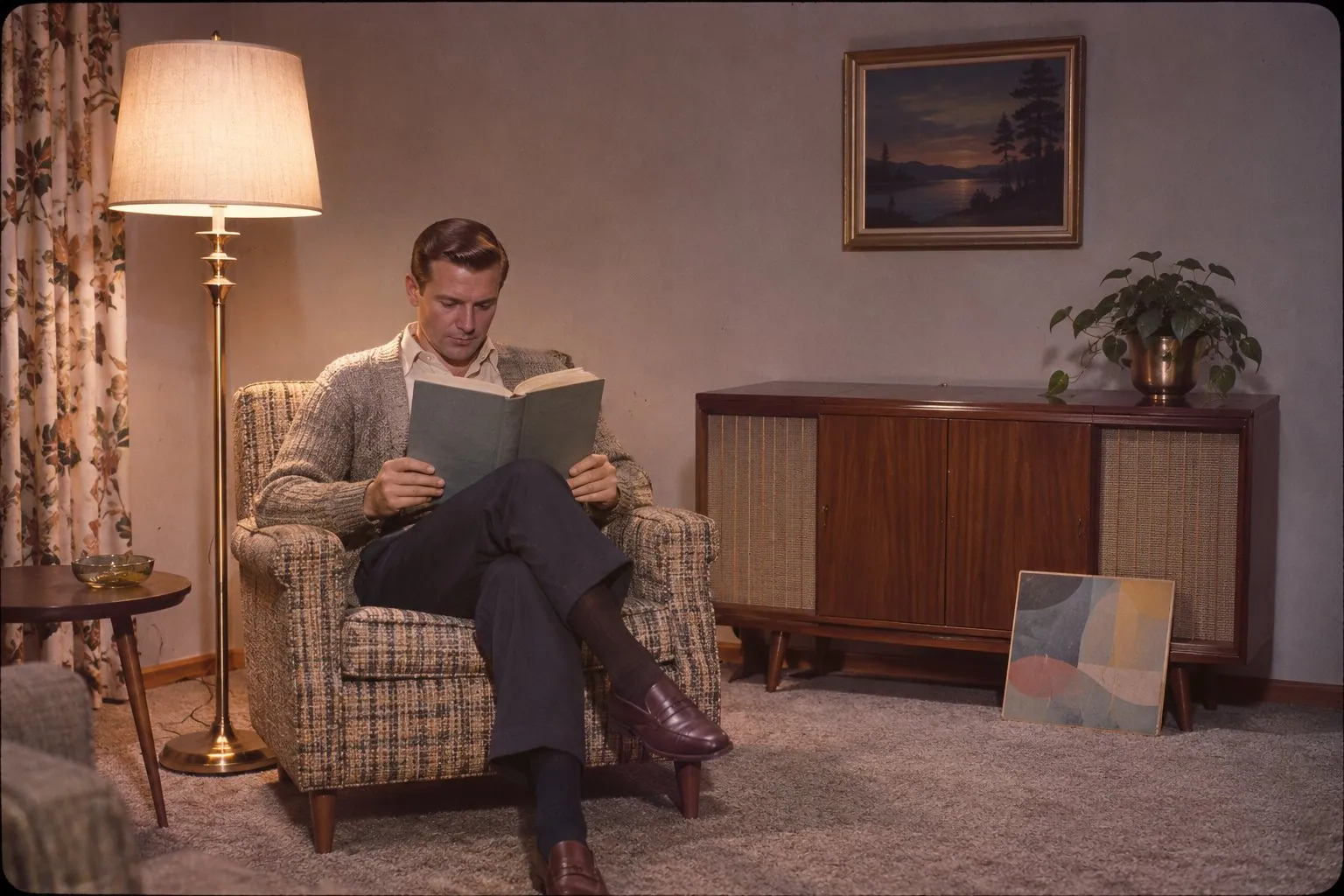
If you read only a few Beatles books, start with Hunter Davies' 1968 authorized biography and The Beatles by Bob Spitz, then add Mark Lewisohn's Tune In and Craig Brown's 150 Glimpses of the Beatles. The Love You Make and Philip Norman's Shout! are worth a look too, as long as you know what slant each one has.
You probably remember where you were the first time you heard "I Want to Hold Your Hand." Maybe it came out of a transistor radio on the school bus, or a jukebox at the diner. Dozens of writers have tried to explain what happened next. Some of them got it right.
Below, we rank the classic books by one test: how well each one puts you back in the '60s you actually lived through.
How we ranked them
We didn't go by sales figures or star ratings. This ranking is our editors' own call, based on how closely each book matches the decade as people who were there remember it: the sound, the crowds and the way everything kept changing month to month.
- The Beatles: The Authorized Biography by Hunter Davies (1968)
- The Beatles: The Biography by Bob Spitz (2005)
- Tune In by Mark Lewisohn (2013)
- 150 Glimpses of the Beatles by Craig Brown (2020)
- The Love You Make by Peter Brown and Steven Gaines (1983)
- Shout! by Philip Norman (1981)
Read more: 50's Popular Songs: The Top 50 Hits We Still Know by Heart
Hunter Davies' The Beatles, written while it was happening
Hunter Davies was a London newspaperman who talked his way into something nobody else ever got. The Beatles agreed to an official biography, and he spent much of 1967 and 1968 around them, at Abbey Road and at their homes. He also tracked down their families back in Liverpool.
The book came out in 1968. It was the year of the White Album, and the band was still together. That's why it matters. Davies wasn't looking back with hindsight. He was writing in the middle of things, when nobody knew how the story would end.
What it gets right is the feel of 1967 and 1968: the songwriting sessions, the long hair and the sense that four young men from Liverpool were making it up as they went. What it leaves out is the rough stuff. The family members got to see the manuscript, and John Lennon later grumbled that the book was too polite. Davies put out updated editions in later decades, and the newer ones fill in some of what the first edition skipped.

Why The Beatles by Bob Spitz is the big one
If you want one book that covers the whole story, from Liverpool childhoods to the breakup, this is it. Bob Spitz is an American writer who had already written about Woodstock and Bob Dylan, and he spent years on the research.
It's a doorstop. Reviewer Ron Kaplan, writing in January Magazine, counted 992 pages and said that Spitz "leaves little unsaid." Kaplan pointed out that Spitz spends six pages just on the Sgt. Pepper cover. He also noted that Ringo doesn't even show up until about a third of the way through.
That patience pays off in the parts American readers care about most. You get the Hamburg club years, the scramble to break into the U.S. market and the tours where the screaming drowned out the amplifiers. Kaplan also noted that the book centers on Lennon, so readers who were Paul or George fans may want a second book alongside it.
Where you were in February 1964
Most of these books slow down when they reach the same few days. On February 7, 1964, the Beatles landed at New York's newly renamed Kennedy airport, and two nights later they played The Ed Sullivan Show. By then "I Want to Hold Your Hand" was already No. 1 on the Billboard Hot 100. It got there in the week ending February 1, 1964, and stayed on top for seven weeks.
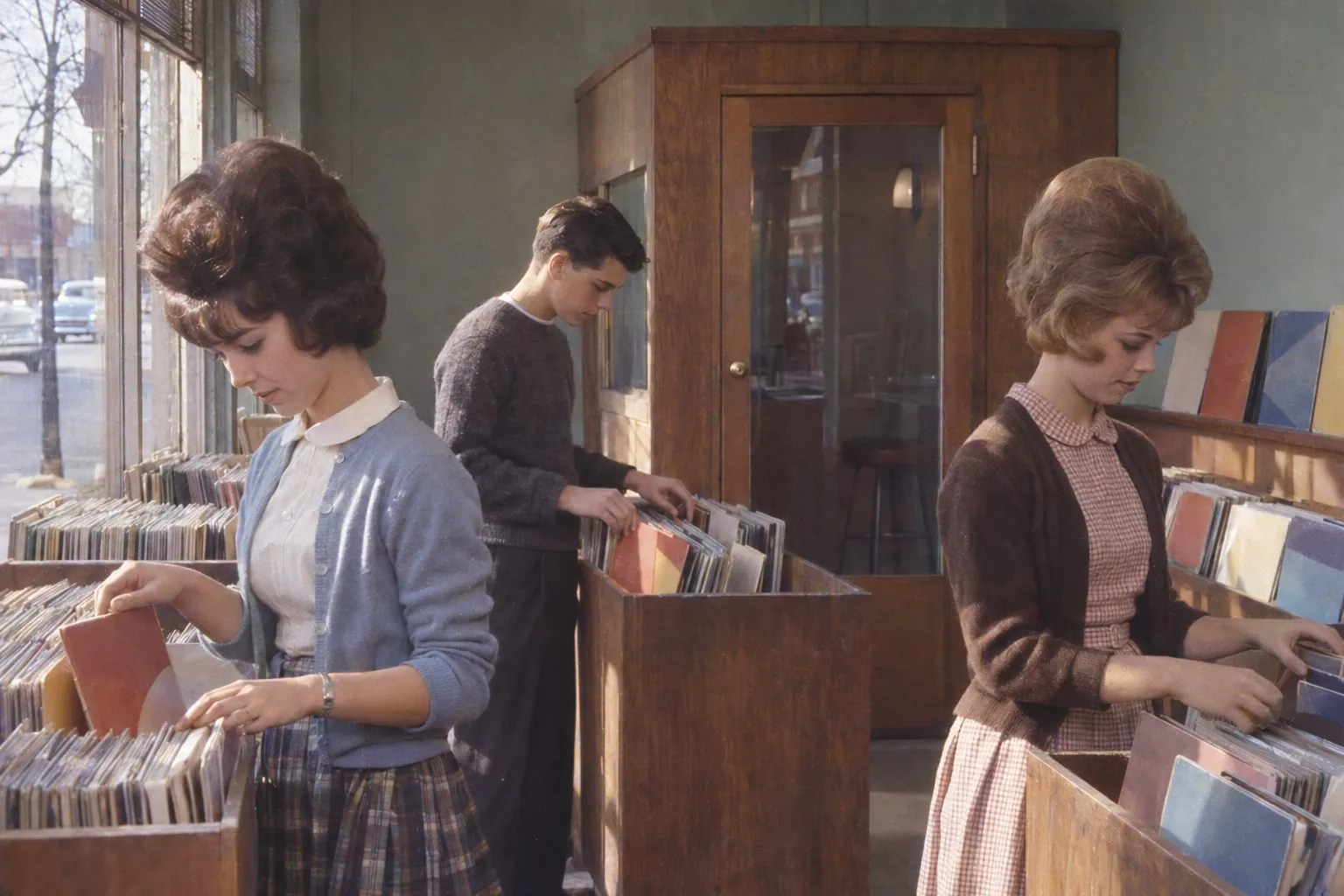
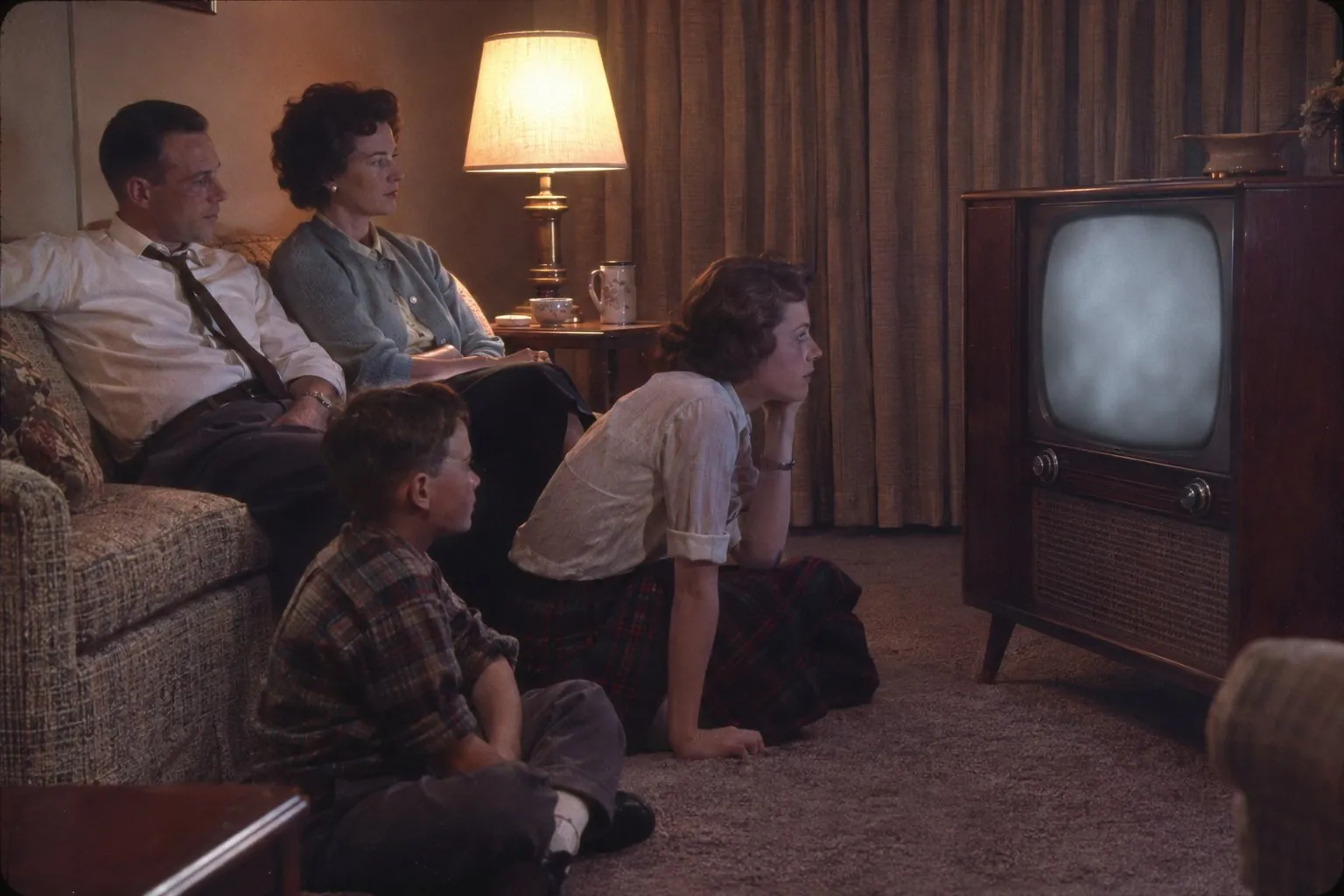
Spitz is especially good on how American kids heard about the band before most adults had a clue. That means the disc jockeys, the record shops and the Capitol Records promotion push. Reading it, you can picture the Sunday night living room, with the whole family gathered around the set and Dad muttering about the haircuts.

Who was the U.S. President when the Beatles came to America?
Tune In: the years before you knew their names
Mark Lewisohn is the historian other Beatles writers check their facts against. He spent years on the band's recording session logs before writing Tune In. It's the first book of a planned three-part series called The Beatles: All These Years.
Tune In came out in 2013 and stops at the end of 1962, before most Americans had heard a note. That sounds like a strange choice for people who remember 1964. But it explains the world the band came out of: rationing, skiffle, art school and Liverpool's bombed-out streets. If you ever wondered why they seemed so different from Fabian or Frankie Avalon, the answer is in here.
150 Glimpses of the Beatles, for the reader in a hurry
Craig Brown is a British humorist. He published this book in Britain as One Two Three Four: The Beatles in Time, and Americans got it in 2020 as 150 Glimpses of the Beatles. It won Britain's Baillie Gifford Prize for nonfiction that same year.
As the title promises, it's 150 short pieces, some just a page long. Brown writes about fans, hangers-on, strangers who crossed paths with the band, and the odd little moments other biographers skip. It reads the way you remember the decade: in flashes.
It's the easiest book on this list to pick up and put down. One chapter fits between the morning coffee and the newspaper, and you don't have to carry around a 992-page brick.
Beatles: The Love You Make, the insider's account
Peter Brown worked for manager Brian Epstein and later helped run Apple, the Beatles' company. You've heard his name even if you don't realize it. He's the "Peter Brown" who calls in the first line of "The Ballad of John and Yoko" from 1969. He wrote The Love You Make with American writer Steven Gaines, and it came out in 1983.
What this book gets right is the business side of the '60s: the contracts, the money troubles at Apple and the people around the band. It's also more gossipy than the others, and some of the people involved were unhappy with it. Read it for the inside view of how the dream turned into a lawsuit, and take the juicier stories with a grain of salt.
Shout! and the view from 1981
Philip Norman's Shout! was written soon after Lennon's death in December 1980 and published in 1981. For many Americans it was the first serious history of the band they ever read.
It's well written and full of feeling. Norman later admitted it leaned hard toward John at Paul's expense, and he went on to write separate books about each of them. Read it as a time capsule of how the world saw the Beatles in the early '80s.
Frequently asked questions
Is The Beatles by Bob Spitz worth reading?
Yes, if you want the whole story in one place. It runs 992 pages, according to January Magazine's review, and covers everything from Liverpool to the breakup. It does focus most on John Lennon.
What is Hunter Davies' The Beatles about?
It's the only biography the band authorized while they were still together. It came out in 1968, after Davies spent time with them in the studio and talked with their families. It's warm and close-up, but softer on their private lives than later books.
What is 150 Glimpses of the Beatles?
It's Craig Brown's 2020 book, published in Britain as One Two Three Four. It tells the story in 150 short pieces, many about fans and bystanders. It won the Baillie Gifford Prize in 2020.
Who wrote Beatles: The Love You Make?
Peter Brown, who worked for Brian Epstein and Apple, wrote it with Steven Gaines in 1983. It's an insider's account of the business and the breakup, and some of the people in it disputed parts of it.
Which Beatles book should I read first?
For the 1960s as they felt at the time, start with Hunter Davies. For the full story, read Bob Spitz. If you want short chapters you can read in any order, pick up Craig Brown's 150 Glimpses of the Beatles.
Sources
- The Beatles: The Biography by Bob Spitz, reviewed by Ron Kaplan, January Magazine, 2005
- Hunter Davies, The Beatles: The Authorized Biography, McGraw-Hill (U.S.) and Heinemann (U.K.), 1968
- Mark Lewisohn, Tune In: The Beatles: All These Years, Volume One, Crown Archetype, 2013
- Peter Brown and Steven Gaines, The Love You Make: An Insider's Story of the Beatles, McGraw-Hill, 1983
- Craig Brown, 150 Glimpses of the Beatles, Farrar, Straus and Giroux, 2020
Related Stories



Love a trip down memory lane?
Get a fun quiz every morning. Free · One email a day · Unsubscribe anytime