Music of the 50s and 60s: The Hits, Year by Year
From Patti Page to the Beatles: one hit for every year from 1950 to 1969, plus the jukeboxes, radios and TV nights you remember.
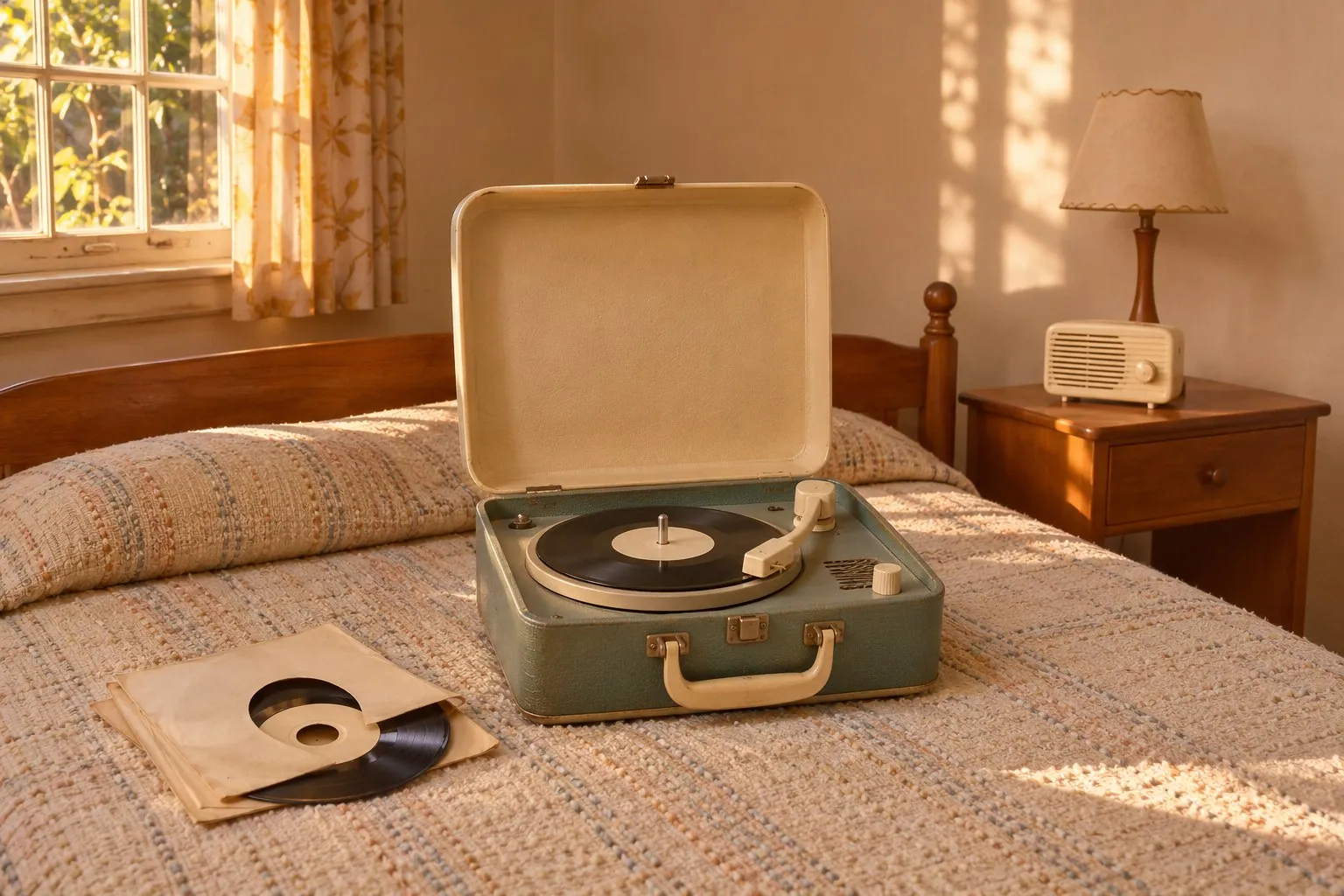
The best-loved songs of the 1950s and 1960s include "Rock Around the Clock," "Heartbreak Hotel," "The Twist," "I Want to Hold Your Hand," "Stop! In the Name of Love" and "Hey Jude." In twenty years, the music of the 50s and 60s went from Patti Page and Nat King Cole on the family radio to Elvis, Motown and the Beatles on a transistor tucked under your pillow.
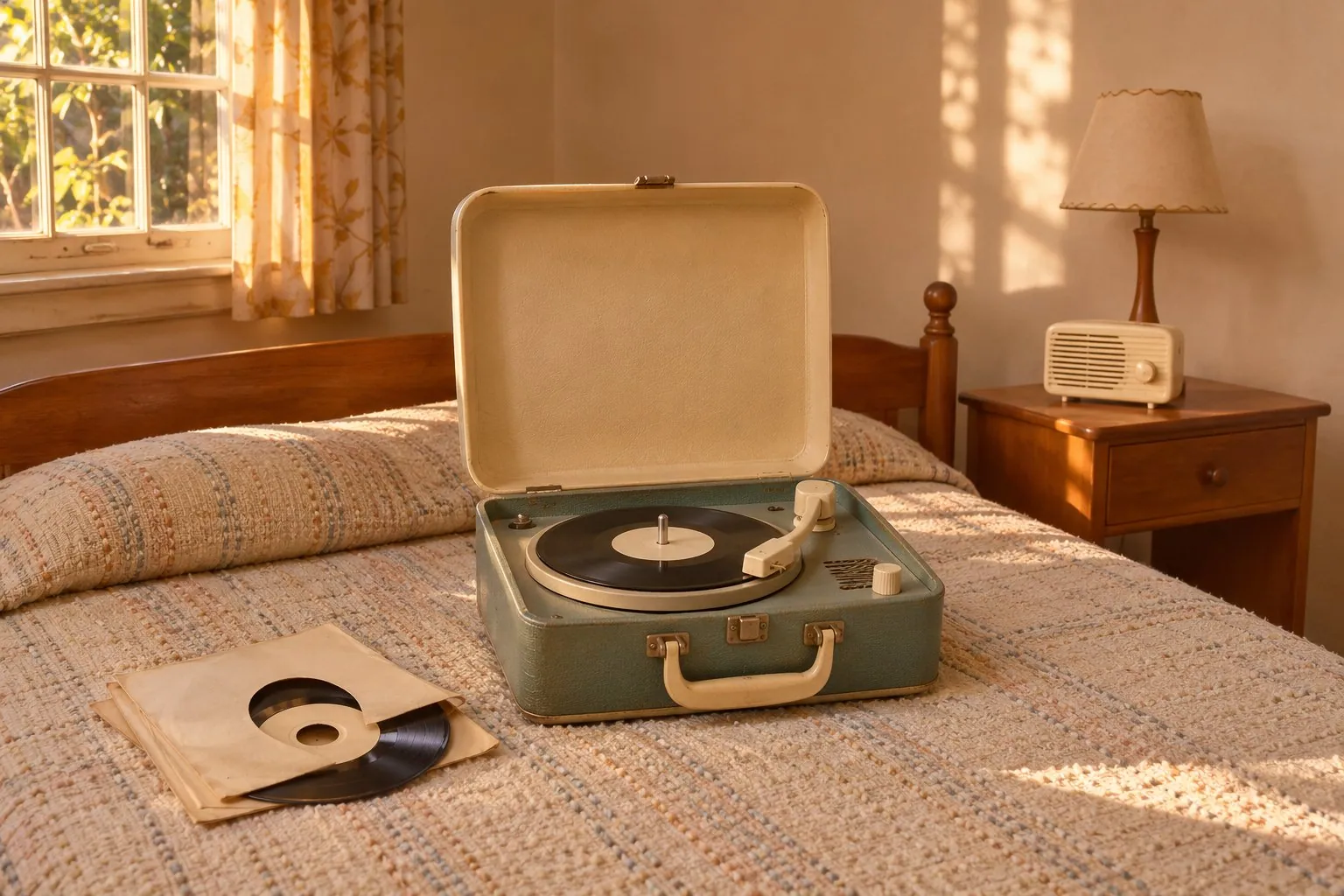
You probably remember where you heard them first. Maybe it was a diner jukebox, a car radio with one speaker in the dash, or a cousin's record player with a stack of 45s on the spindle.
Here is how it all changed, one year at a time.
The popular songs of the 1950s and 1960s, year by year
How we picked: one song per year that you heard everywhere that year and that shows where the sound was heading. It's not a sales ranking.
| Year | Song | Artist |
|---|---|---|
| 1950 | Goodnight Irene | Gordon Jenkins and the Weavers |
| 1951 | Too Young | Nat King Cole |
| 1952 | Wheel of Fortune | Kay Starr |
| 1953 | Vaya Con Dios | Les Paul and Mary Ford |
| 1954 | Sh-Boom | The Chords |
| 1955 | Rock Around the Clock | Bill Haley and His Comets |
| 1956 | Heartbreak Hotel | Elvis Presley |
| 1957 | Wake Up Little Susie | The Everly Brothers |
| 1958 | Johnny B. Goode | Chuck Berry |
| 1959 | Mack the Knife | Bobby Darin |
| 1960 | The Twist | Chubby Checker |
| 1961 | Please Mr. Postman | The Marvelettes |
| 1962 | Monster Mash | Bobby "Boris" Pickett |
| 1963 | Be My Baby | The Ronettes |
| 1964 | I Want to Hold Your Hand | The Beatles |
| 1965 | Stop! In the Name of Love | The Supremes |
| 1966 | Good Vibrations | The Beach Boys |
| 1967 | Respect | Aretha Franklin |
| 1968 | Hey Jude | The Beatles |
| 1969 | Aquarius/Let the Sunshine In | The 5th Dimension |
Read more: The Beatles by Bob Spitz and the Best Beatles Books
Crooners, jukeboxes and doo-wop: 1950 to 1954
The decade opened smooth and grown-up. Patti Page's "Tennessee Waltz" and Nat King Cole's "Mona Lisa" were 1950 hits. Rosemary Clooney's "Come On-a My House" and Tony Bennett's "Because of You" followed in 1951. Your parents liked them, and so did you, whether you admitted it or not.
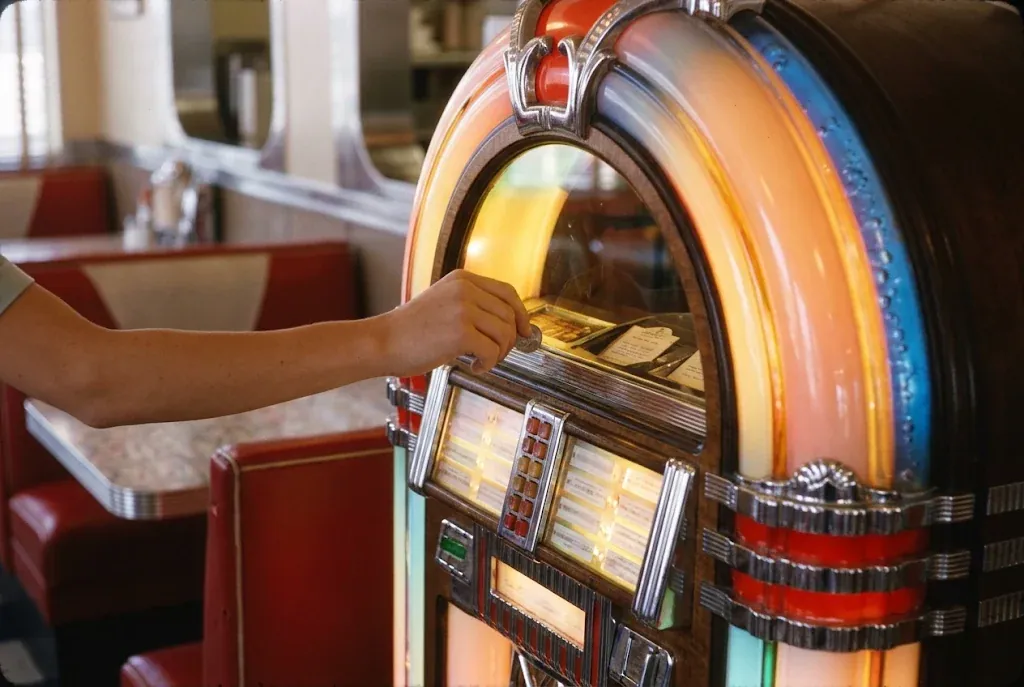
In the early 1950s, a nickel in the diner jukebox bought how many songs?
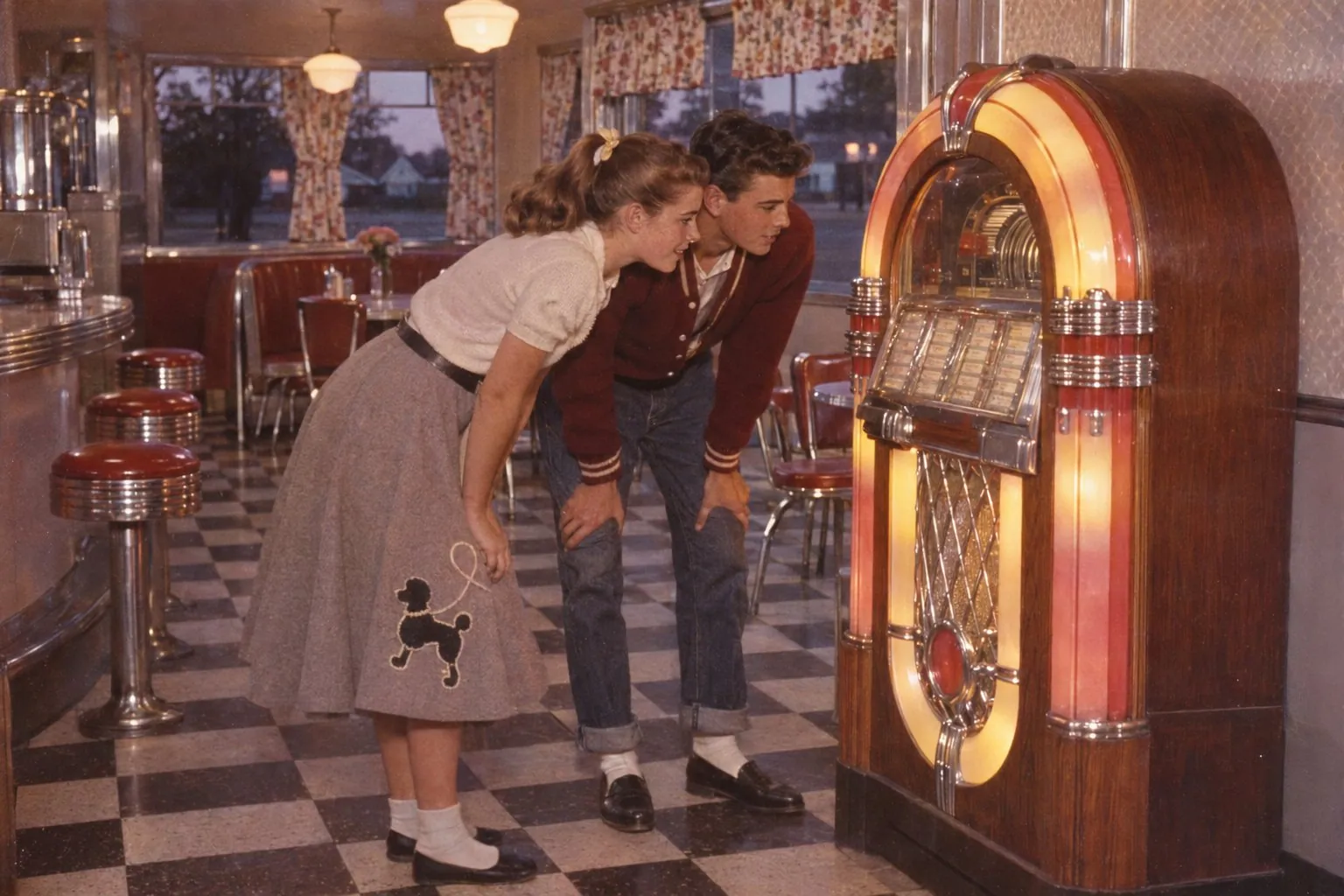
The jukebox was the center of it all. In the early 1950s, a nickel bought one song in most diners, about 65 cents today. You remember the glow of the bubble tubes, the click of the arm grabbing the record and the smell of coffee and fried onions.
Records were changing too. Heavy 78s were giving way to the small 45, which RCA Victor had introduced in 1949. Les Paul and Mary Ford stacked guitar and vocal tracks into sounds nobody had heard before.
On street corners and in school stairwells, groups harmonized in what we now call doo-wop. "Sh-Boom" by the Chords and "Earth Angel" by the Penguins came out of that sound in 1954. Meanwhile, in Cleveland, disc jockey Alan Freed was playing rhythm and blues on WJW. His Moondog Coronation Ball on March 21, 1952, is often called the first rock 'n' roll concert.
Rock 'n' roll takes over: 1955 to 1959
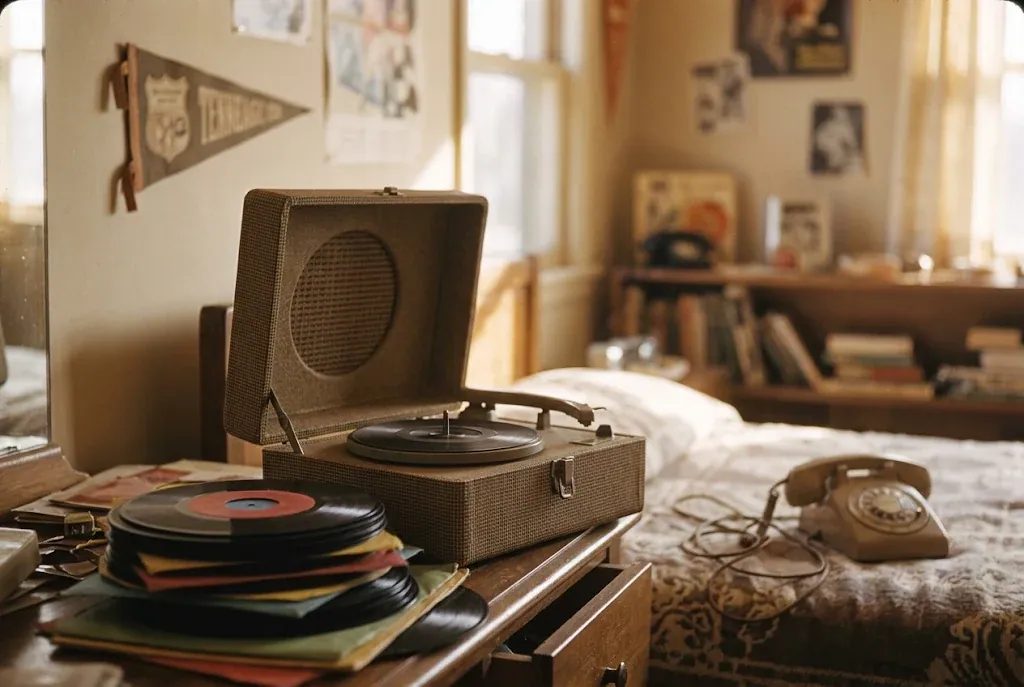
In 1955, which song became the first rock 'n' roll record to hit No. 1?
In 1955, "Rock Around the Clock" played over the opening of the movie Blackboard Jungle. It reached No. 1 on Billboard's Best Sellers in Stores chart dated July 9, 1955, and stayed there eight weeks.
Then came Elvis. On September 9, 1956, about 60 million people watched him on The Ed Sullivan Show. Little Richard's "Tutti Frutti," Fats Domino's "Blueberry Hill" and Chuck Berry's guitar did the rest. In 1957, Elvis bought Graceland in Memphis for $102,500, about $1.15 million today.
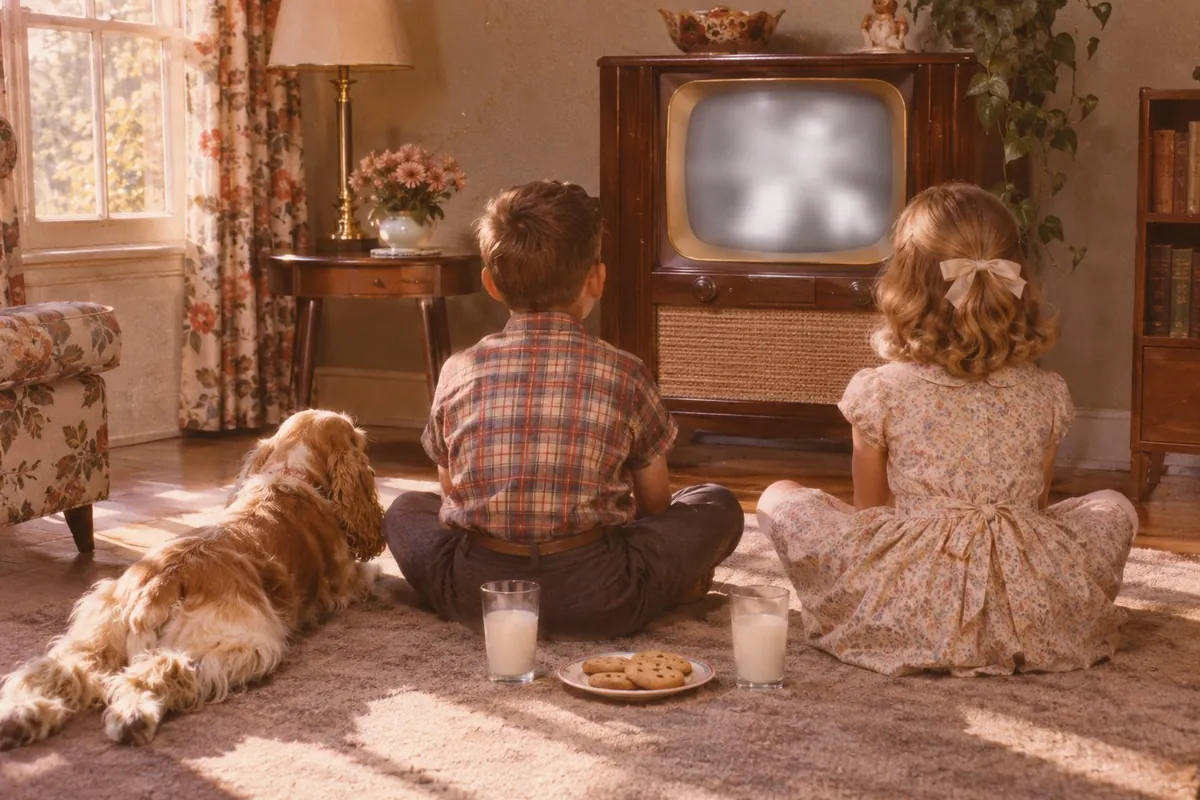
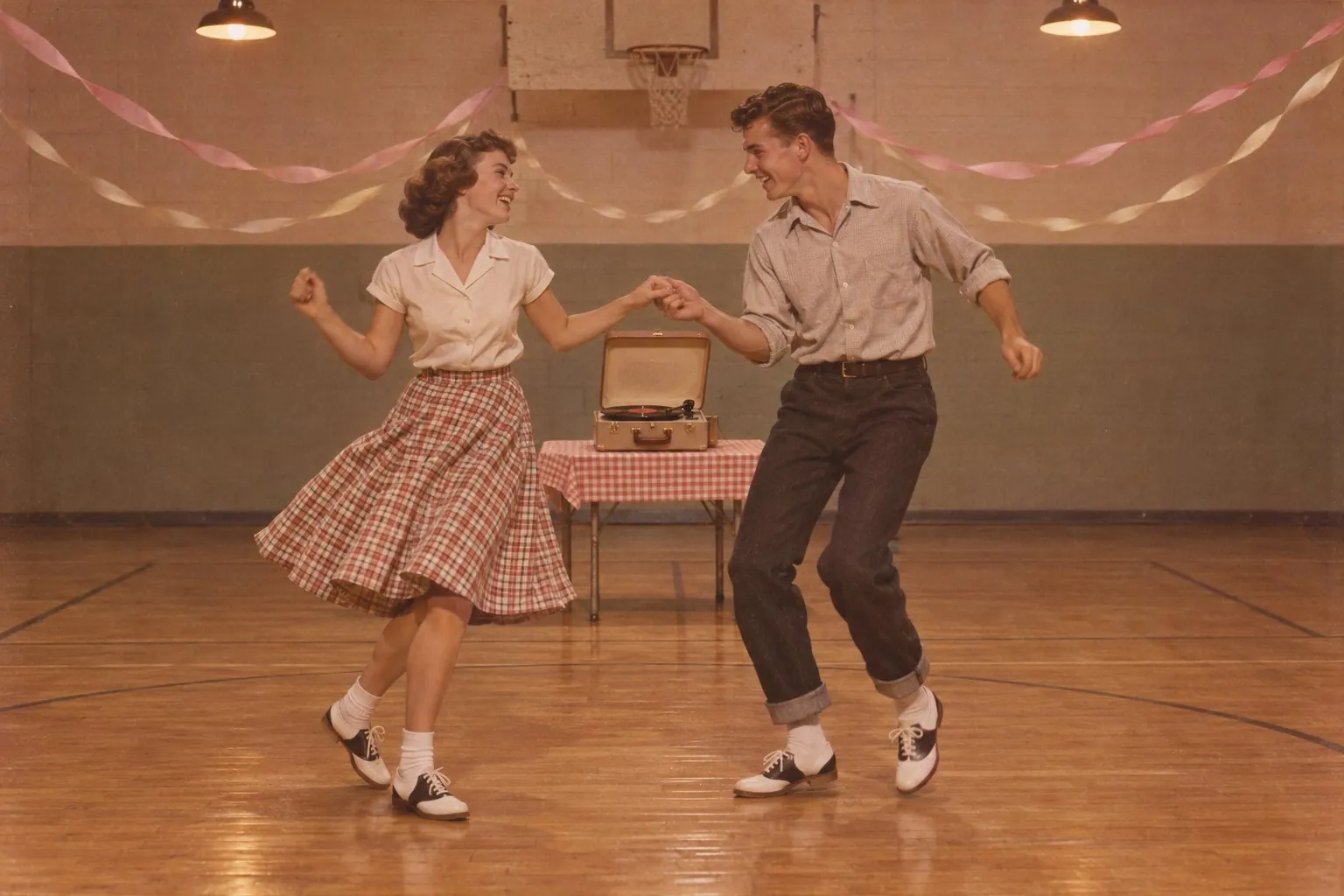
On August 5, 1957, Dick Clark's American Bandstand went national on ABC from Philadelphia. You came home from school, turned on the set and learned the steps from teenagers you'd never meet.
Billboard started the Hot 100 on August 4, 1958, folding everything into one big chart. The decade ended on a sad note. On February 3, 1959, Buddy Holly, Ritchie Valens and J.P. "The Big Bopper" Richardson died in a plane crash near Clear Lake, Iowa.
Twisting, surfing and the Motown sound: 1960 to 1963
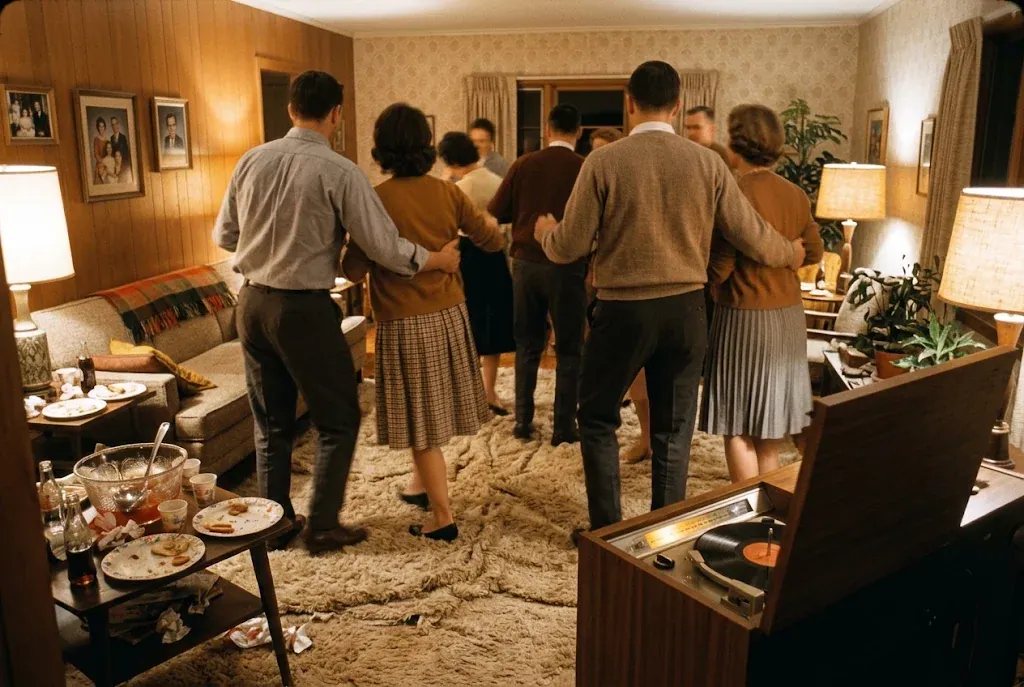
In 1960, Chubby Checker started which dance craze?
Hank Ballard wrote and first recorded "The Twist," but Chubby Checker's version took off. It hit No. 1 on the Billboard Hot 100 on September 19, 1960, and again on January 13, 1962, after grown-ups caught the craze.
In Detroit, Berry Gordy had started the label that became Motown in 1959, working out of a house on West Grand Boulevard he called Hitsville U.S.A. The Marvelettes' "Please Mr. Postman" gave Motown its first Hot 100 No. 1, on December 11, 1961.
Novelty songs still had their day. "Monster Mash" was No. 1 on the Hot 100 the week of October 20, 1962, just in time for Halloween. By 1963, the Beach Boys were singing "Surfin' U.S.A." and the Ronettes were booming out of car radios with "Be My Baby."
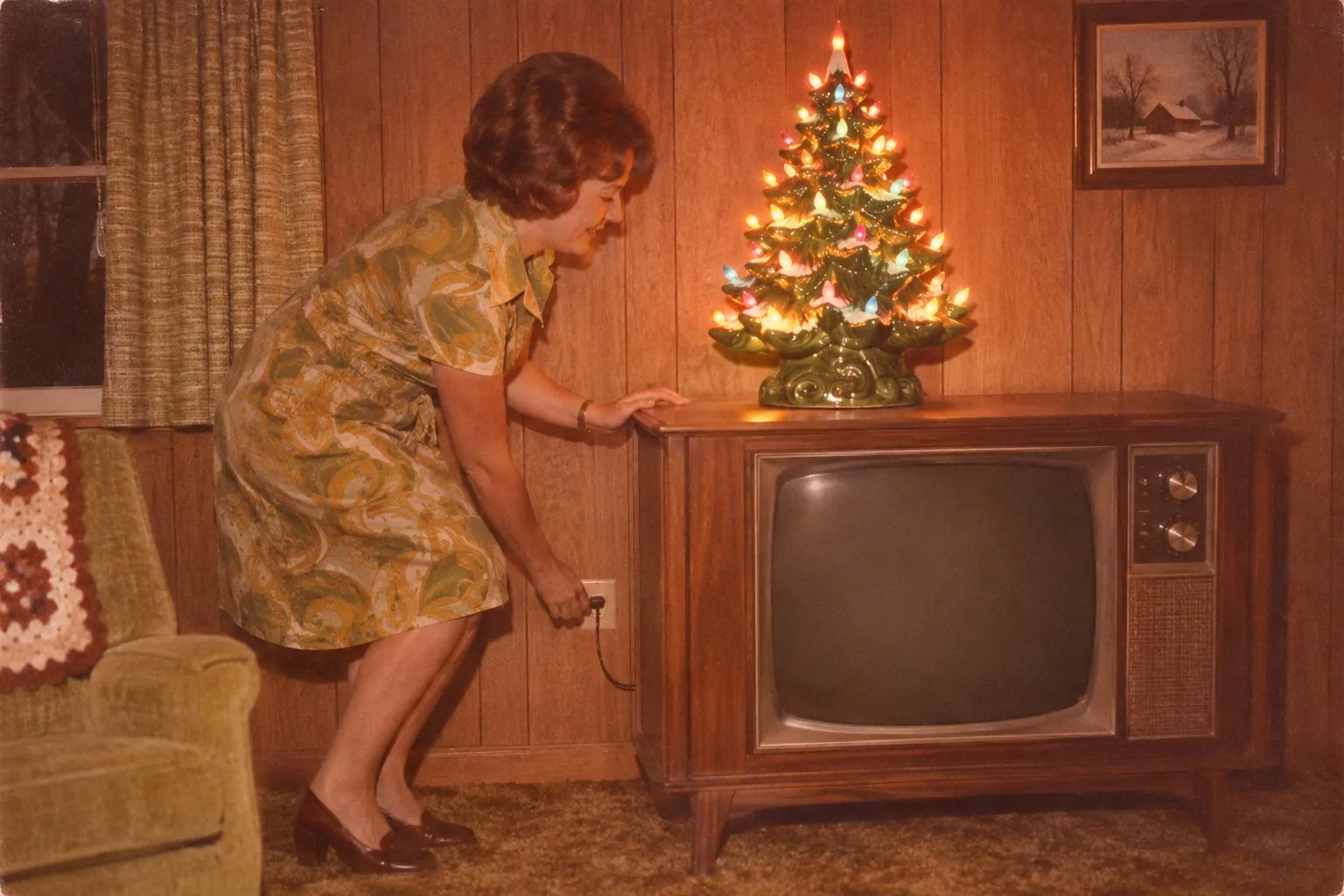
If you had a transistor radio, you remember its tinny little speaker and the 9-volt battery that always died at the wrong time. The first one, the Regency TR-1, sold for $49.95 in 1954, about $584 today. Prices came down quickly after that.
The British Invasion and beyond: 1964 to 1969
"I Want to Hold Your Hand" reached No. 1 on the Billboard Hot 100 on February 1, 1964, and held it seven weeks. Eight days after it got there, the Beatles played The Ed Sullivan Show, watched by about 73 million people. On the Hot 100 dated April 4, 1964, they held all five top spots.
The Rolling Stones, the Dave Clark Five, Herman's Hermits and the Animals followed. Motown answered. The Supremes' "Stop! In the Name of Love" hit No. 1 on the Hot 100 on March 27, 1965, and the Temptations had "My Girl" that same year.
The sound kept stretching. The Beach Boys built "Good Vibrations" in 1966, and Aretha Franklin made "Respect" her own in 1967. "Hey Jude" ran nine weeks at No. 1 on the Hot 100 starting September 28, 1968.
In 1969, "Aquarius/Let the Sunshine In" was No. 1 on the Hot 100 for six weeks starting April 12. That August, the Woodstock festival drew a huge crowd to a farm in Bethel, New York. In twenty years, the music had come a long way from Patti Page.
What AmericaThen players remember
We asked AmericaThen players about these years in our trivia games. Here is how they did in November 2026:
- First rock 'n' roll No. 1 (1955): 52% of 25 AmericaThen players picked "Rock Around the Clock" on the first try. The wrong answer picked most was "Blue Suede Shoes," Carl Perkins' 1956 hit.
- Diner jukebox, early 1950s: Only 32% of 25 AmericaThen players knew a nickel bought one song. The wrong answer picked most was "Three."
- Chubby Checker's 1960 dance craze: 96% of 27 AmericaThen players said "The Twist" on the first try. The wrong answer picked most was "The Mashed Potato."
- Graceland's price in 1957: 46% of 35 AmericaThen players got $102,500 right on the first try. The wrong answer picked most was $25,000, about $280,000 today.
Frequently asked questions
What were the most popular songs from 1950 to 1960?
Big hit songs of 1950 to 1960 include "Goodnight Irene," "Too Young," "Sh-Boom," "Rock Around the Clock," "Heartbreak Hotel," "Johnny B. Goode" and "Mack the Knife." The table above gives one for each year.
What are the best songs of the 1950s and 1960s?
No single list settles it. Songs that still turn up on radio and in movies include "Rock Around the Clock," "The Twist," "I Want to Hold Your Hand," "My Girl," "Respect" and "Hey Jude."
What was the first rock 'n' roll song to hit No. 1?
"Rock Around the Clock" by Bill Haley and His Comets is usually given that honor. It reached No. 1 on Billboard's Best Sellers in Stores chart dated July 9, 1955.
How much did a jukebox song cost in the 1950s?
In the early 1950s, a nickel played one song in most diners, about 65 cents in today's money. Prices varied by town and by machine.
Sources
- Billboard charts archive: Best Sellers in Stores (1955) and Hot 100 (1958–1969)
- Joel Whitburn, Top Pop Singles, Record Research
- U.S. Bureau of Labor Statistics, Consumer Price Index
- Smithsonian National Museum of American History, Regency TR-1 transistor radio collection
- Elvis Presley's Graceland, history of the Graceland mansion
Related Stories
Love a trip down memory lane?
Get a fun quiz every morning. Free · One email a day · Unsubscribe anytime