The Beatles Abbey Road: Their Last Album Recorded Together
Two sides, one zebra crossing and a 16-minute medley. Here's how the Beatles said goodbye in the fall of 1969.
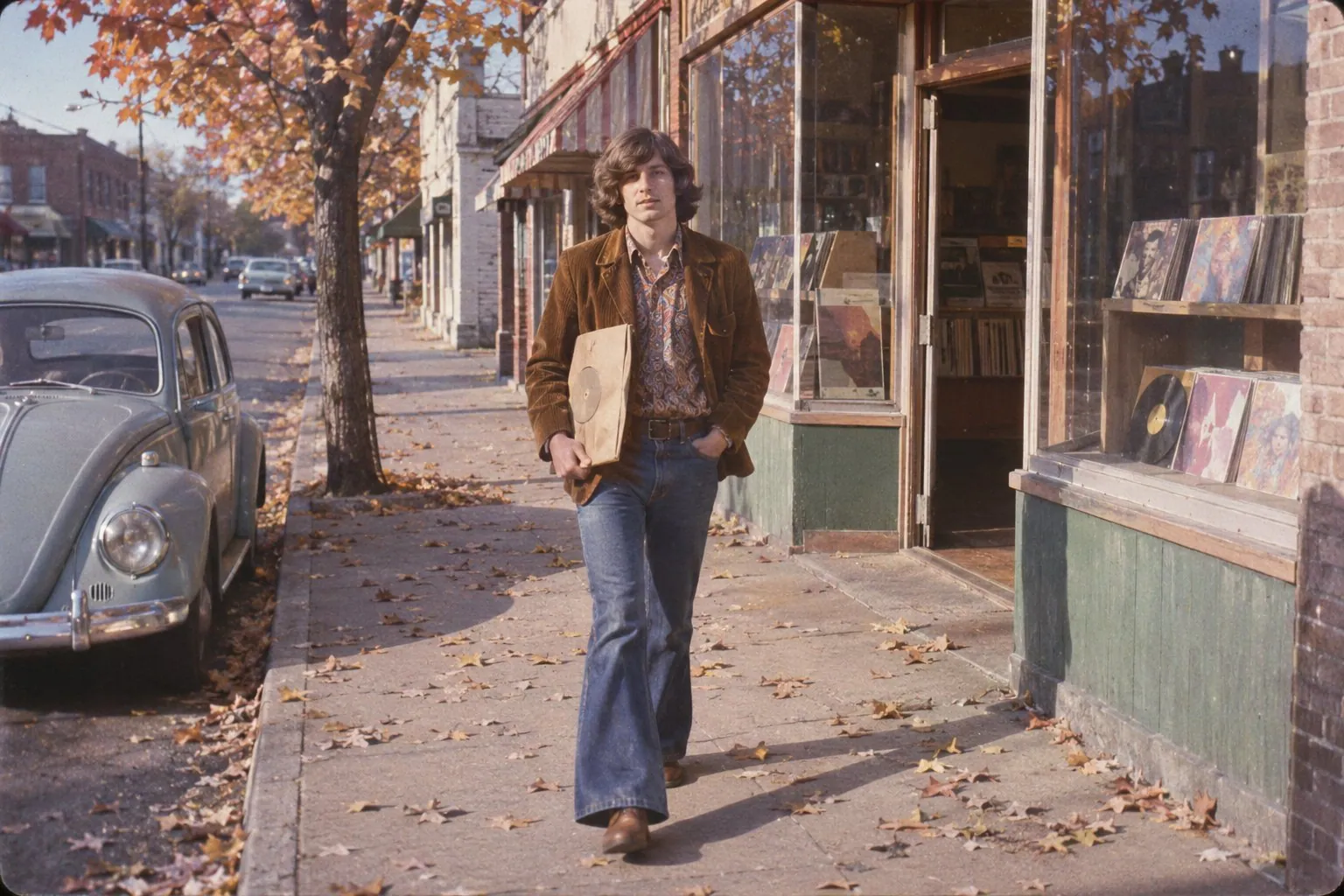
The Beatles' Abbey Road is the album John, Paul, George and Ringo recorded in the spring and summer of 1969, after a rough winter. They knew it might be their last record together, and it was. It came out in the U.S. on October 1, 1969, and was the last album the four of them made as a band, even though Let It Be reached stores later, in May 1970, the Beatles' official site notes.
You probably remember the cover before you remember the music. Four men cross a London street in single file. There's no band name and no title on the front, and that was a first for a Beatles album, according to the band's site.
Then you dropped the needle, and over two sides the Beatles showed what they could still do when they pulled together.
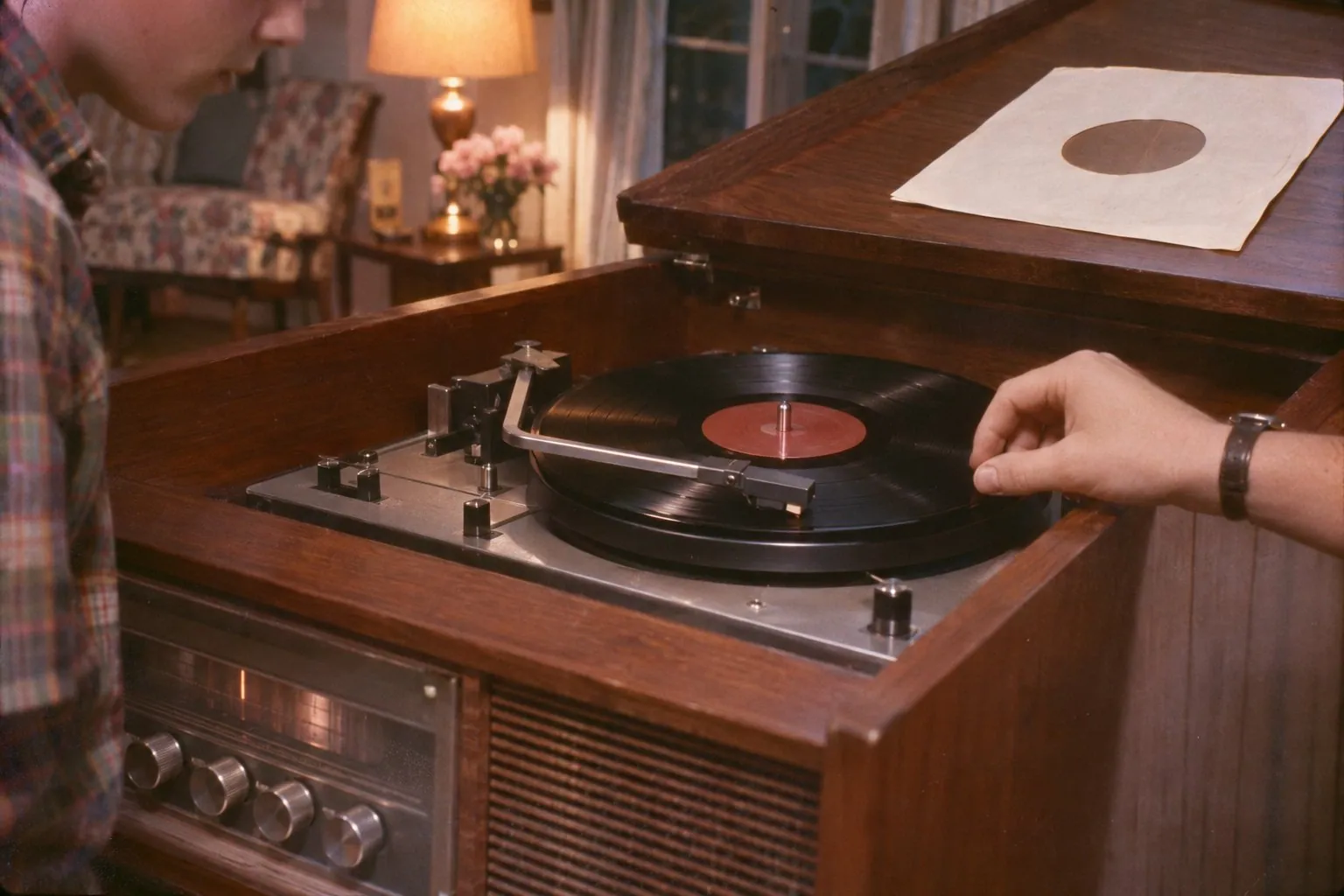
How the band got to this point
The winter of 1969 had gone badly. The filmed "Get Back" sessions in January had left everyone frayed, and the tapes went on the shelf. For the next album, the band went back to EMI's studios in north London to make carefully built recordings, the Beatles' official site says.
Sessions ran from February 22 to August 25, 1969, according to the Paul McCartney Project's session log. For a while the record was called Everest, after the cigarettes engineer Geoff Emerick smoked, Abbey Road Studios recalls. Then nobody wanted to fly to the Himalayas for a cover photo.
It had been only five and a half years since the Beatles first stepped off a plane in New York and played The Ed Sullivan Show in February 1964. In that short time the four had gone from mop-top novelty to the biggest act in the world.
Who was the U.S. President when the Beatles came to America?
On August 20, 1969, all four were in the studio together for the last time, finishing "I Want You (She's So Heavy)," Mental Floss reported. A month later, on September 20, Mental Floss notes, it was over: John told the others he was leaving.
Read more: How to Put Together an Authentic '50s Style Outfit
Six frames on a London crosswalk
The cover was Paul's idea: skip the mountain and step outside the front door. On the morning of Friday, August 8, 1969, photographer Iain Macmillan stood on a stepladder in the middle of the road while a policeman held up traffic, Radio X reports. He had a Hasselblad and only took six shots.
It was a warm day. Paul lived around the corner in St John's Wood and walked over in sandals, Radio X says, and he went barefoot for some frames. Later, according to Abbey Road Studios, he picked the one transparency where all four were walking in step.
That picture sent a generation of American kids hunting for "clues." In the fall of 1969 the "Paul is dead" rumor was everywhere, and the bare feet and the parked Volkswagen became talk at every lunch table.
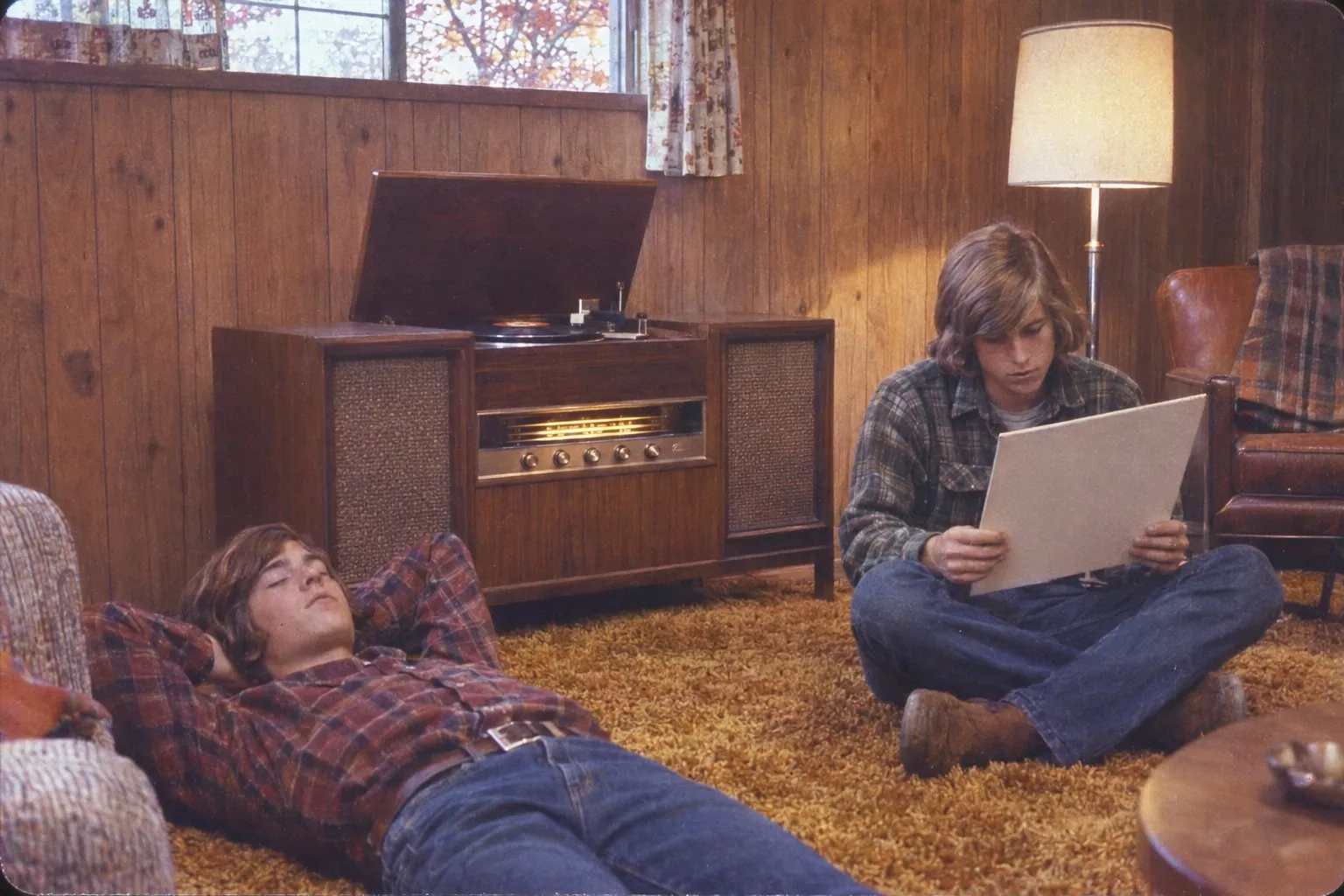
Side One of the Beatles' Abbey Road
Side One plays like six separate songs from four different writers:
- "Come Together": John's slinky opener, with that hushed "shoot" and Paul's bass line.
- "Something": George's love song, and the one Frank Sinatra later sang.
- "Maxwell's Silver Hammer": Paul's cheerful little murder ballad, complete with a hammer on an anvil.
- "Oh! Darling": Paul shouting himself hoarse in an old-time doo-wop style.
- "Octopus's Garden": Ringo's song, with bubbling sound effects.
- "I Want You (She's So Heavy)": nearly eight minutes long, with Billy Preston on Hammond organ. It stops dead in mid-note.
That sudden cut at the end of Side One startled a lot of people, who figured their turntable had broken.
"Come Together" and "Something" went out back-to-back on one single. Stereogum's Tom Breihan points out that Billboard changed its rules mid-run and began counting the two sides together. After that the single hit No. 1 on the Hot 100 for the week ending November 29, 1969. Breihan, who reviews every No. 1 in Hot 100 history, calls "Something" "an absolutely lovely song on its own."
Side Two and the long medley
Flip it over and you get George's "Here Comes the Sun," then "Because," with John, Paul and George stacking their harmonies. Next comes the stretch fans call the medley: eight short pieces run together without a break.
It starts with "You Never Give Me Your Money" and rolls through "Sun King," "Mean Mr. Mustard," "Polythene Pam" and "She Came In Through the Bathroom Window." Then come "Golden Slumbers," "Carry That Weight" and "The End," which has Ringo's only drum solo on a Beatles record and a three-way guitar trade among Paul, George and John.
"Golden Slumbers" grew out of a poem almost 400 years old, the Beatles Bible notes. It was cut together with "Carry That Weight" while John was in the hospital after a car accident in Scotland, with George on bass.
The running order nearly went the other way. Until that final August 20 session, the medley was set to close Side One, and "I Want You" was going to end the album, About The Beatles reports.
After "The End," you got about 20 seconds of silence. Then came Paul's 23-second "Her Majesty," which wasn't listed on the original jacket. Plenty of people let the record keep spinning just to hear it again.
What the album cost in 1969
You probably bought it at a department store, a discount house or the record shop downtown, and stores priced it differently. We couldn't confirm Abbey Road's exact 1969 list price in a record from the time. So here's the usual range for a full-price stereo LP from a major label that year, converted with the U.S. Bureau of Labor Statistics CPI multiplier for 1969 (×8.5):
| 1969 list price | About today (2024 dollars) |
|---|---|
| $4.98 | about $42 |
| $5.98 | about $51 |
| $6.98 | about $59 |
Discount stores often knocked a dollar or more off the sticker. Even so, for a teenager working a part-time job, a new Beatles album meant saving up for a while.
How it did on the charts
Abbey Road first reached No. 1 on Billboard's albums chart on November 1, 1969, Yahoo Entertainment reported. It spent 11 nonconsecutive weeks there in late 1969 and early 1970, Billboard confirms. Billboard called that chart Top LPs at the time; today it's the Billboard 200.
At home in Britain it did even better, holding No. 1 for 17 of its 81 weeks on the album chart, the Beatles' official site reports. Many American fans heard Let It Be the next spring knowing it had been recorded first.
Frequently asked questions
Was Abbey Road the last Beatles album?
It was the last one they recorded, but not the last one released. Let It Be was mostly recorded in January 1969 and came out in May 1970, according to the Beatles' official site.
When did the Beatles' Abbey Road come out in 1969?
It was released in Britain on September 26, 1969 (Apple PCS 7088). The American release followed on October 1, 1969 (Apple SO-383), per the Paul McCartney Project.
Why is the Beatles' Abbey album named after a street?
EMI's studios, where they recorded, stood on Abbey Road in London. The working title was Everest, but the band settled on stepping outside and naming the record after the street instead, Abbey Road Studios recalls.
Who took the photo of the Beatles crossing the road?
Iain Macmillan, a freelance photographer and friend of John and Yoko, took it on the morning of August 8, 1969. He took only six frames, according to Abbey Road Studios and Radio X.
Sources
- Abbey Road, The Beatles (Apple Corps official site)
- The Beatles' 'Abbey Road' Returns to Top 3 on Billboard 200, Billboard
- Abbey Road Cover Photography Session, Friday 8 August 1969, Abbey Road Studios, 2019
- The Final Days of The Beatles, Mental Floss
- The Number Ones: The Beatles' "Come Together", Stereogum
- Consumer Price Index inflation multipliers (2024 dollars), U.S. Bureau of Labor Statistics
Related Stories
Love a trip down memory lane?
Get a fun quiz every morning. Free · One email a day · Unsubscribe anytime