Motown Records: How Berry Gordy Built Hitsville on $800
A $3.19 royalty check, an $800 family loan and a house in Detroit grew into Motown Records. Here's how Berry Gordy pulled it off.
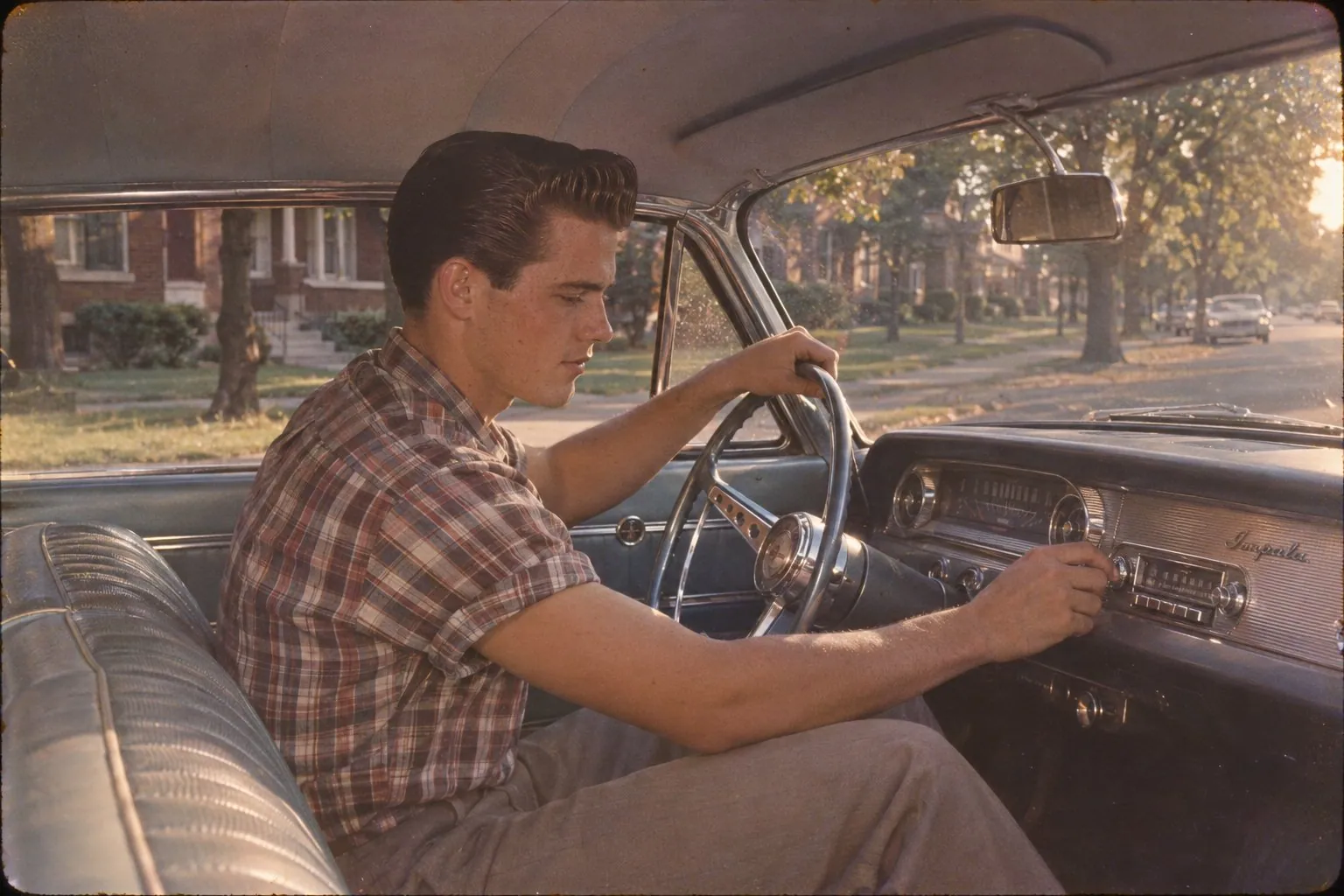
Motown Records was the Detroit record company Berry Gordy Jr. started in 1959 with an $800 loan from his family. It went on to give the country the Miracles, Marvin Gaye, Stevie Wonder and the Temptations. Gordy made it America's biggest Black-owned business by doing everything under one roof. His company wrote the songs, owned the publishing, recorded in its own studio and sold the records itself, so the money from a hit stayed home.
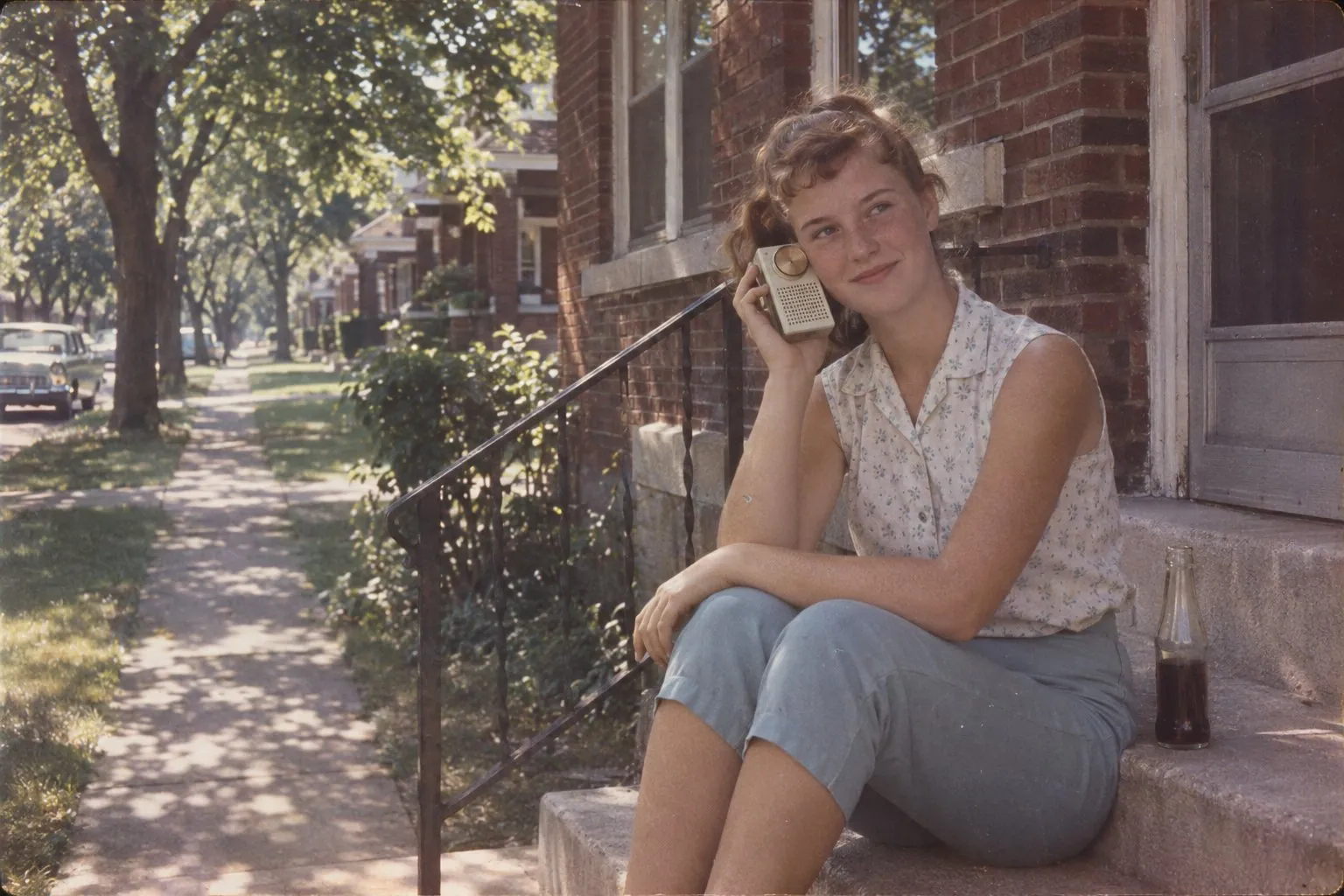
You probably remember the sound before you knew the name. There was the tambourine and the handclaps, and that thumping bass coming out of a dashboard speaker or a transistor radio on the porch. A lot of us didn't learn until later that nearly all of it came from one converted house in Detroit.
How Motown Records got its start
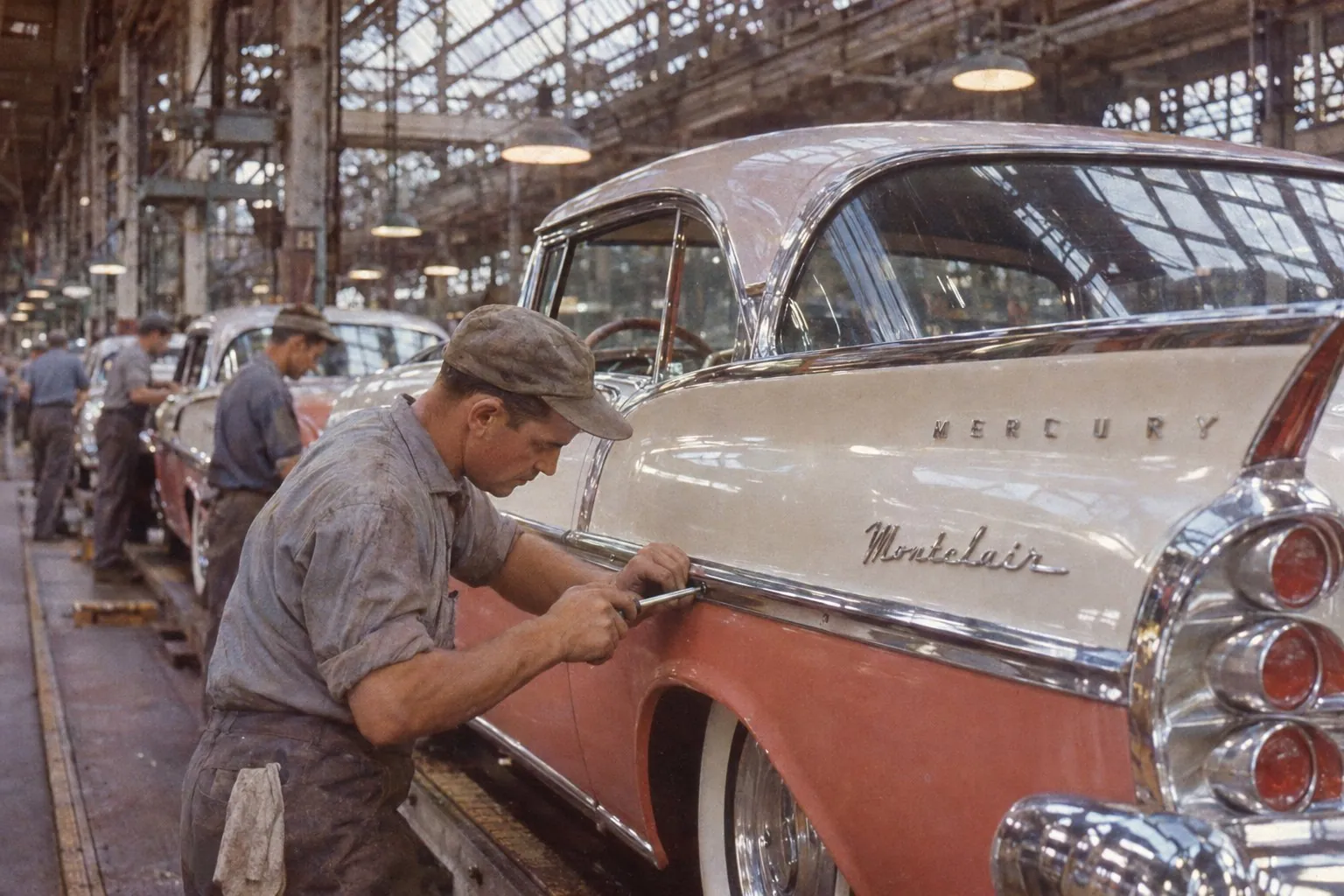
Gordy was no overnight success. He had worked on the line at the Lincoln-Mercury plant, fastening upholstery and chrome strips onto car frames, according to the Michigan Rock and Roll Legends Hall of Fame. He also wrote songs for Jackie Wilson, including "Reet Petite" and "Lonely Teardrops." The same hall of fame says he set up his own publishing company, Jobete, which he named after his children Joy, Berry and Terry.
The $3.19 check
In 1958 Gordy produced "Got a Job" for a young Detroit group he had renamed the Miracles, led by Smokey Robinson. He leased the record to End Records in New York. Then the royalty check arrived, and after everyone took their cut it was for $3.19 (about $35 today), Gordy told Playboy interviewer David Sheff in a 1995 interview.
Robinson remembered why that check stung. Black artists back then, he told AARP in 2018, as quoted by Smithsonian magazine, found "nobody was paying you what you should be paid, if they paid you at all."
The family loan
The Gordy family kept a savings fund called the Ber-Berry Co-Op. On January 12, 1959, it agreed to lend Berry $800 at 6 percent interest, Motown historian and former Billboard editor Adam White writes. White calls it the turning point: "In Motown history, there is no more significant date than this one."
The first release was Marv Johnson's "Come to Me," Tamla 101. White writes that Gordy and Robinson drove icy roads to pick up the first copies from American Record Pressing, about 50 miles north of Detroit.
| What | Then | About today |
|---|---|---|
| Gordy's royalty check for "Got a Job" | $3.19 in 1958 | $35 |
| Family loan that started Tamla | $800 in 1959 | $8,600 |
| Price MCA and Boston Ventures paid for Motown | $61 million in 1988 | $165 million |
Read more: How to Put Together an Authentic '50s Style Outfit
A house on West Grand Boulevard
In 1959 Gordy bought a two-family flat at 2648 West Grand Boulevard, the Motown Museum says. He moved his young family upstairs and turned the first floor into a studio and offices. He hung a sign out front that read "Hitsville U.S.A.," and the house served as headquarters until 1968. In 1960 he incorporated Tamla and the new Motown label as the Motown Record Corporation, the Detroit Historical Society notes.
The making of Motown
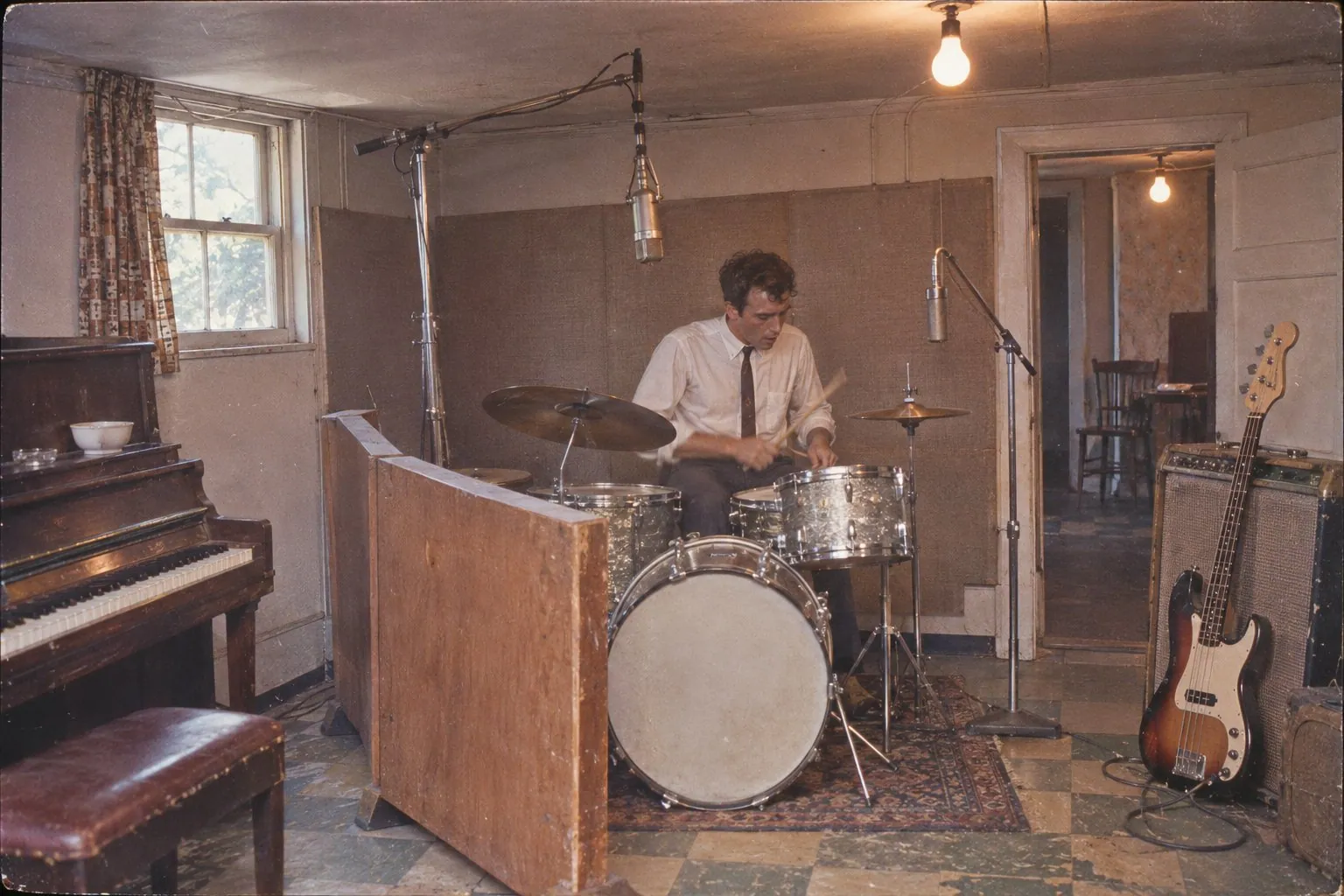
Making a Motown record worked like an assembly line, which you'd expect from a man who had worked in a car plant. The writers brought songs in, and the house band cut the tracks in Studio A, a small room the musicians called the Snakepit. Those players, later known as the Funk Brothers, backed thousands of Motown tracks, the Motown Museum says.
Every week the staff met to vote on which records were good enough to release. Starting in 1964, the company's artist development department taught young singers how to carry themselves on stage and in interviews, the Detroit Historical Society says. Much of that teaching came from Maxine Powell, who ran a finishing school in Detroit.

When Detroit took over your radio
The first real hit was Barrett Strong's "Money (That's What I Want)," and the first million-seller was the Miracles' "Shop Around," released in 1960, according to the Detroit Historical Society. Then came the Marvelettes' "Please Mr. Postman," which reached No. 1 on the Billboard Hot 100 on December 11, 1961, Billboard reported. The Motown label itself first topped that chart on May 16, 1964, with Mary Wells singing "My Guy."
After that the company had hits nearly every season. Between 1961 and 1971 it put out 110 Top 10 hits, the Detroit Historical Society counts. By the middle of the decade, one girl group from Detroit's Brewster-Douglass housing projects was regularly turning up at the top of the charts.
Which Motown group sang "Stop! In the Name of Love" in 1965?
Bigger than a music label
The Motown company held the No. 1 spot on Black Enterprise magazine's list of top Black-owned businesses for about a decade after the list began, and it was the country's largest Black-owned business from the 1960s into the early 1980s, Black Enterprise reports.
The Corporation
By the late '60s, Berry Gordy wanted Motown to keep landing big hits without relying too much on any one writer. So he set up a songwriting and production team called "The Corporation," made up of Gordy, Freddie Perren, Alphonzo "Fonce" Mizell and Deke Richards. Their first big job was for five brothers from Gary, Indiana: the team wrote and produced the Jackson 5's "I Want You Back" (1969) and "ABC" (1970).
Motown Productions goes to Hollywood
Motown had opened offices in Los Angeles and New York during the '60s. In 1972 it moved its headquarters to Los Angeles, the Detroit Historical Society says. That same year it went into the movie business with Lady Sings the Blues, with Diana Ross playing Billie Holiday, Encyclopedia.com's company history notes.
Selling the company, and the birthdays since
On May 16, 1983, NBC aired the anniversary special Motown 25: Yesterday, Today, Forever, the night many of us first saw Michael Jackson moonwalk. Behind the scenes, though, the company was struggling against much bigger record companies. In June 1988 Gordy sold Motown for $61 million (about $165 million today), the Detroit Historical Society reports. He kept Jobete and the film unit, Encyclopedia.com notes.
In 1985 Gordy's sister Esther Gordy Edwards turned the old house on West Grand Boulevard into the Motown Museum. In 2009 the label marked its 50th anniversary with "Motown 50" reissues and celebrations, and the house is still open for tours.
Frequently asked questions
How much money did Berry Gordy borrow to start Motown?
He borrowed $800 in 1959 (about $8,600 today) from his family's savings fund, the Ber-Berry Co-Op. Motown historian Adam White says the loan was approved on January 12, 1959, at 6 percent interest.
Why is it called Motown?
The name is short for "Motor Town," Detroit's nickname, because the city was home to the big carmakers. Gordy used Motown for his second label in 1959 and for the whole Motown Record Corporation in 1960.
What was "The Corporation" at Motown?
It was a songwriting and production team made up of Berry Gordy, Freddie Perren, Fonce Mizell and Deke Richards. They wrote and produced the Jackson 5's early hits, starting with "I Want You Back" in 1969.
What was Motown Productions?
It was the film and television side of the business. Its projects included Lady Sings the Blues in 1972 and the 1983 TV special Motown 25. Gordy kept that unit when he sold the record company in 1988.
Was Motown the largest Black-owned business in America?
Yes, for many years. Black Enterprise says it was the country's largest Black-owned business from the 1960s through the early 1980s. It lost the top spot on the magazine's list in 1984.
Sources
- Motown Records, Detroit Historical Society, Encyclopedia of Detroit
- A Motown Timeline: 1959, Adam White, 2024
- Visit Motown Museum, Motown Museum
- 50 Years Ago Today: Motown Records' First No. 1 Single, Billboard, 2014
- 45 Great Moments in Black Business, No. 28: Berry Gordy Sells Motown Records, Black Enterprise
- Motown Records, Founded on This Day in 1959, Broke Racial Barriers in Pop Music, Smithsonian Magazine, 2025
Related Stories
Love a trip down memory lane?
Get a fun quiz every morning. Free · One email a day · Unsubscribe anytime