Hey Jude by the Beatles: The Story Behind the 1968 No. 1
Paul wrote it for a sad five-year-old boy, and that fall it stayed at No. 1 for nine weeks while America sang along for seven minutes.
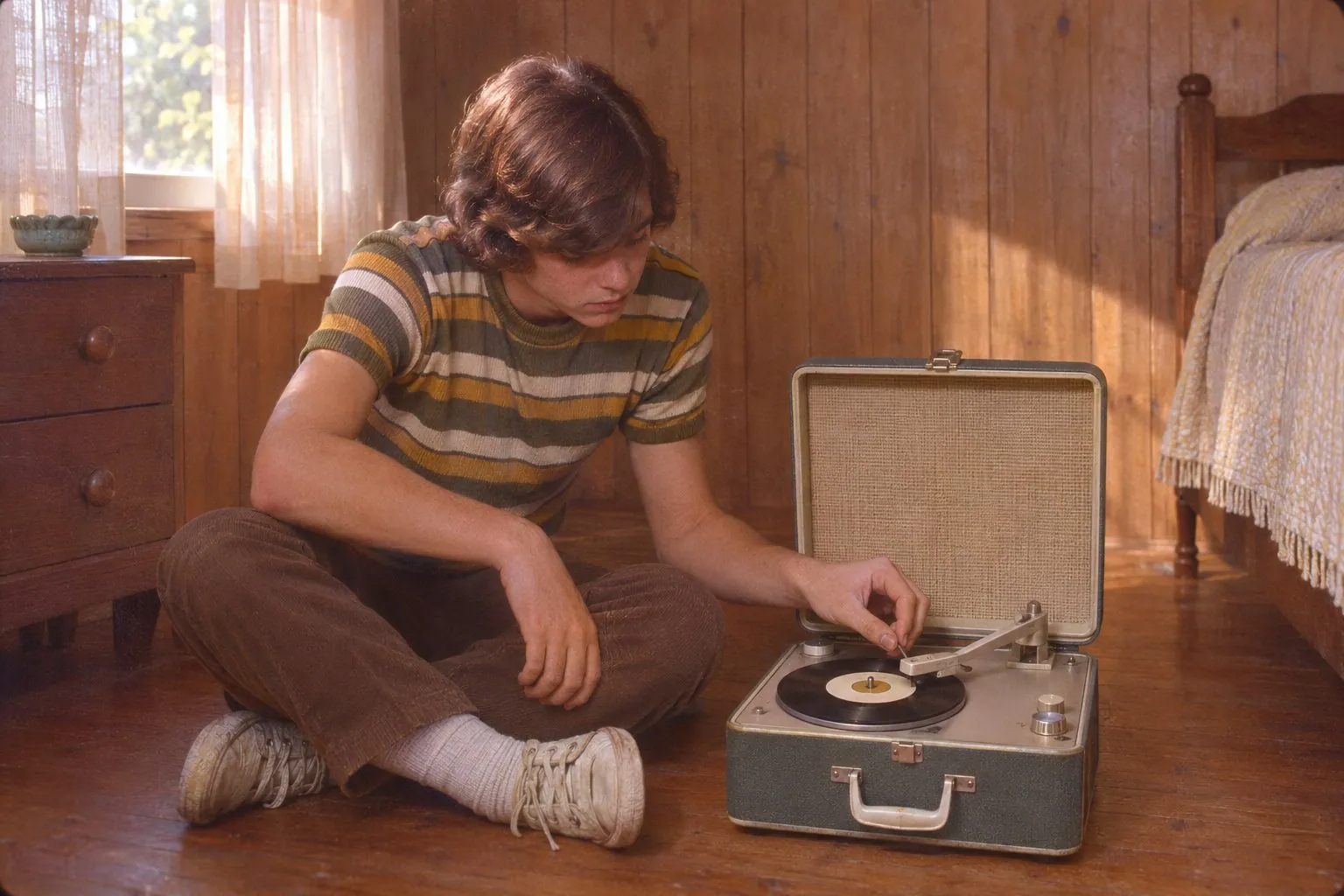
"Hey Jude" by the Beatles was written by Paul McCartney for Julian Lennon, John's five-year-old son, as John and Cynthia Lennon's marriage was falling apart in 1968. It became their biggest American hit because nine weeks at No. 1 on the Billboard Hot 100 was the longest run any Beatles single ever had there, and because nobody could resist singing along with that long ending.
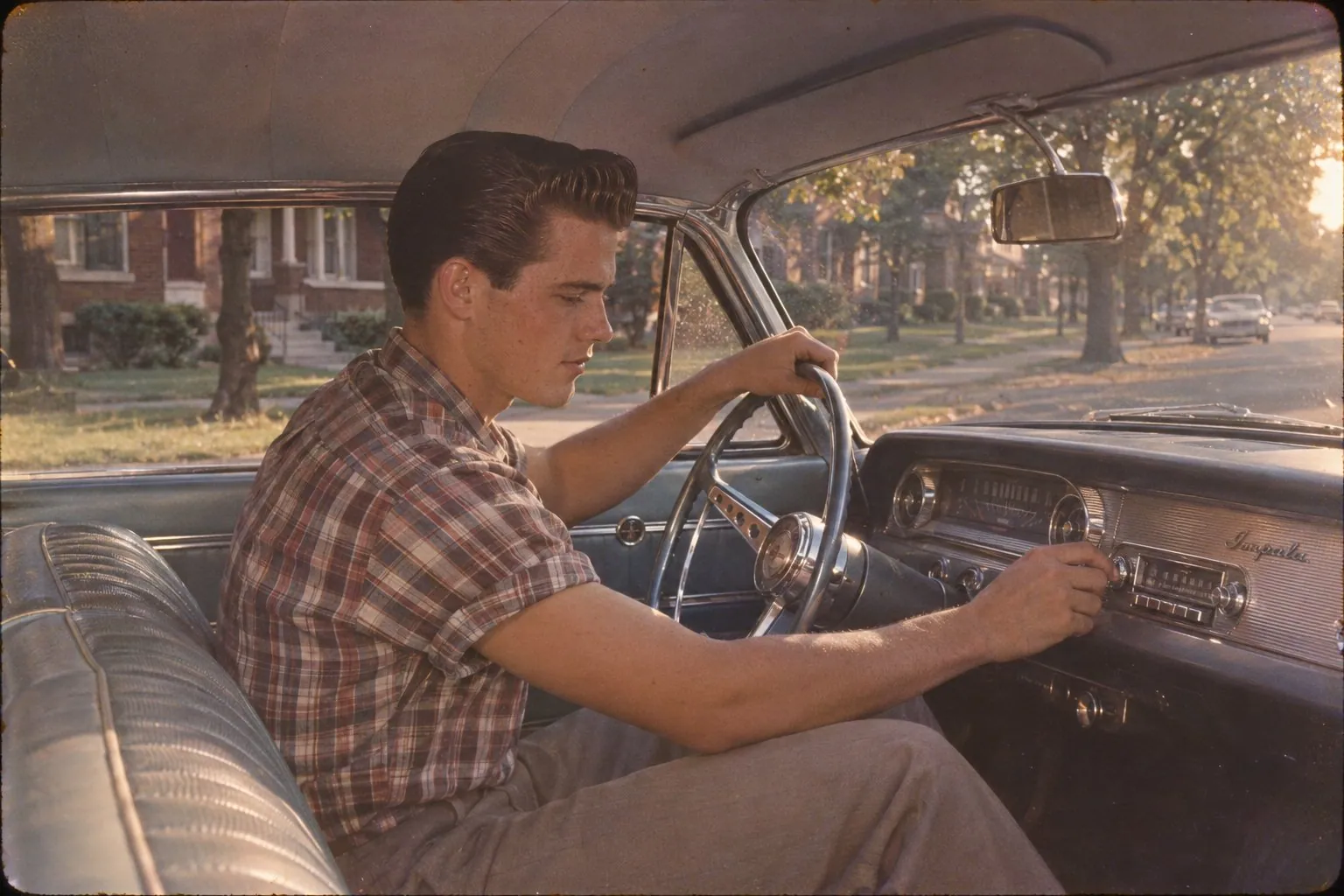
You probably remember the first time you heard it. Maybe it was on AM radio in the car, or in a kitchen with the radio on top of the refrigerator. The song kept going, and going, and you didn't want it to stop.
Most hit singles in 1968 ran under three minutes. This one ran past seven, and radio stations played it anyway.
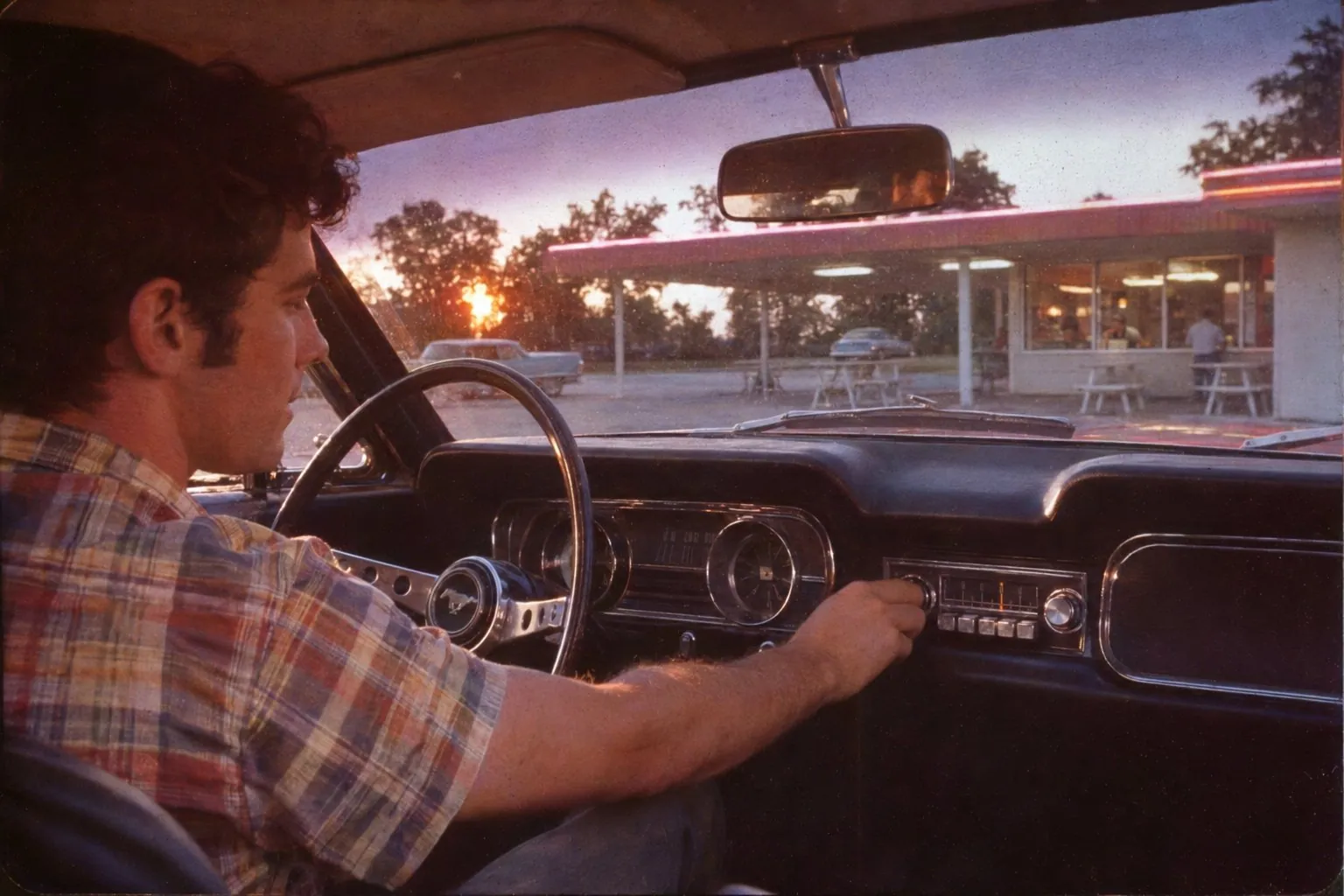
A Song That Started in the Car
In the spring of 1968, John Lennon left Cynthia for Yoko Ono. Paul had always been close to Cynthia and to little Julian, so he drove out to their house in Weybridge, outside London, to check on them.
Paul later told his biographer Barry Miles that he started making up the song on that drive. It began as "Hey Jules," a few words of comfort for a boy whose parents were splitting up. Paul changed the name to "Jude" because he thought it sang better.
Cynthia remembered the visit in her 2005 memoir, John. She wrote that Paul brought her a single red rose and joked about the two of them getting married, which made her laugh at a time when she badly needed to.
What John thought it meant
John Lennon heard the song a different way. In his 1980 interview with Playboy, he said he took it as Paul talking to him. In John's reading, Paul was telling him to go ahead with Yoko.
Paul has always said the song started with Julian. Years later, Julian said he only found out as a grown man that it had been written for him.
Read more: How to Put Together an Authentic '50s Style Outfit
Recording Hey Jude by the Beatles
The band rehearsed at Abbey Road and then recorded the finished version at Trident Studios in London on July 31 and August 1, 1968, according to Mark Lewisohn's The Complete Beatles Recording Sessions. A 36-piece orchestra was added for the big ending.
Producer George Martin later recalled warning Paul that disc jockeys would never play a seven-minute single. Paul's answer, as Martin told it, was that they would if it was the Beatles. Paul turned out to be right.
Listen closely and you can hear how loose the session was. Lewisohn reports that Ringo stepped out just before one take began and slipped back to his drums just in time for his entrance.
Seven Minutes on the Radio in 1968
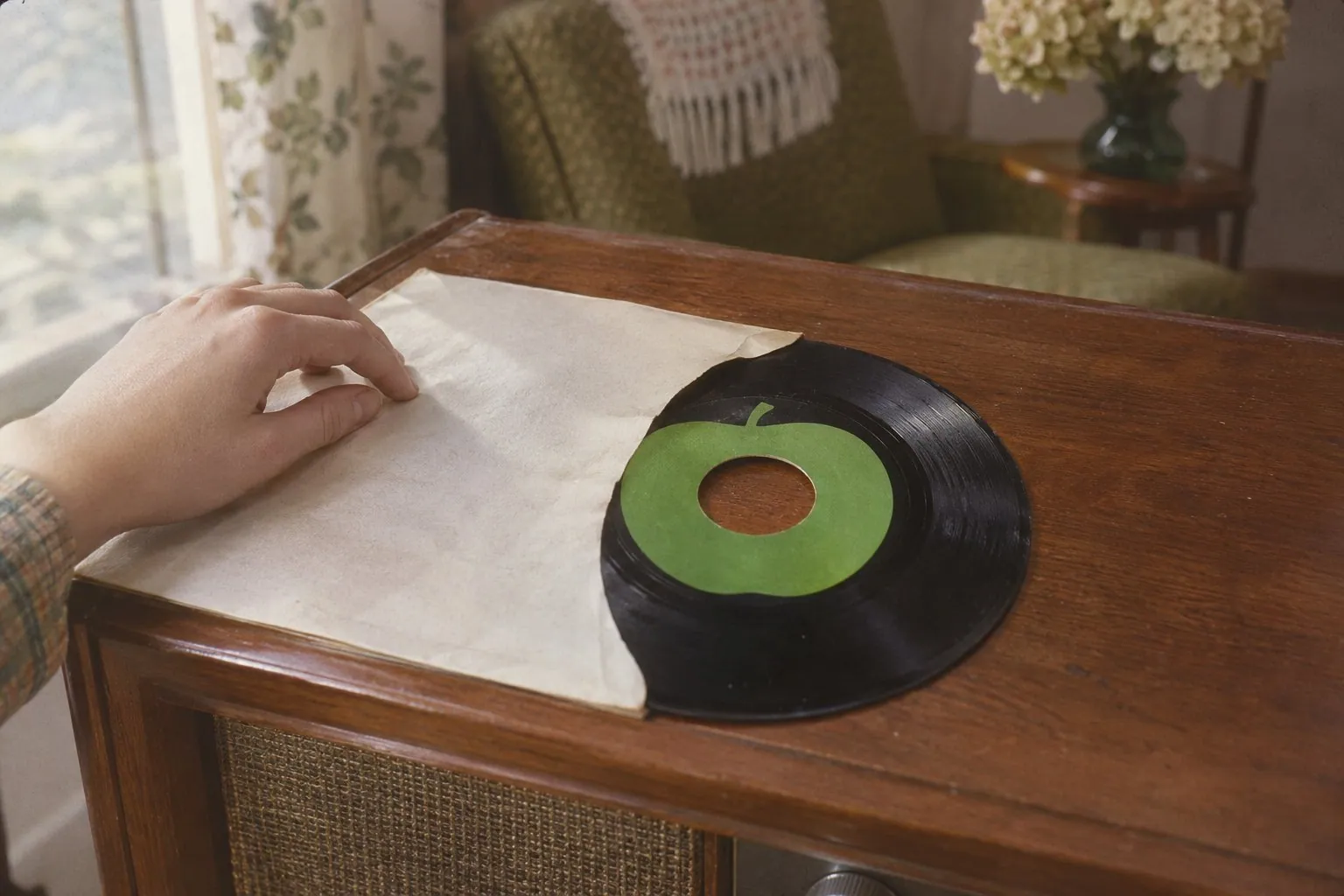
The single came out in the U.S. on August 26, 1968. The label had a bright green apple on one side and a sliced apple on the other, and that was something new. "Revolution," John's loud, fuzzy rocker, was on the flip side.
In most towns a new 45 cost under a dollar in 1968, or under about $9 in today's money. A lot of kids paid it the first week.
Radio was the real story, though. For a DJ, a seven-minute record was either a problem or a gift. It threw off the commercial schedule, but it also bought him time for a coffee. Either way, most stations played it in full.
The Smothers Brothers night
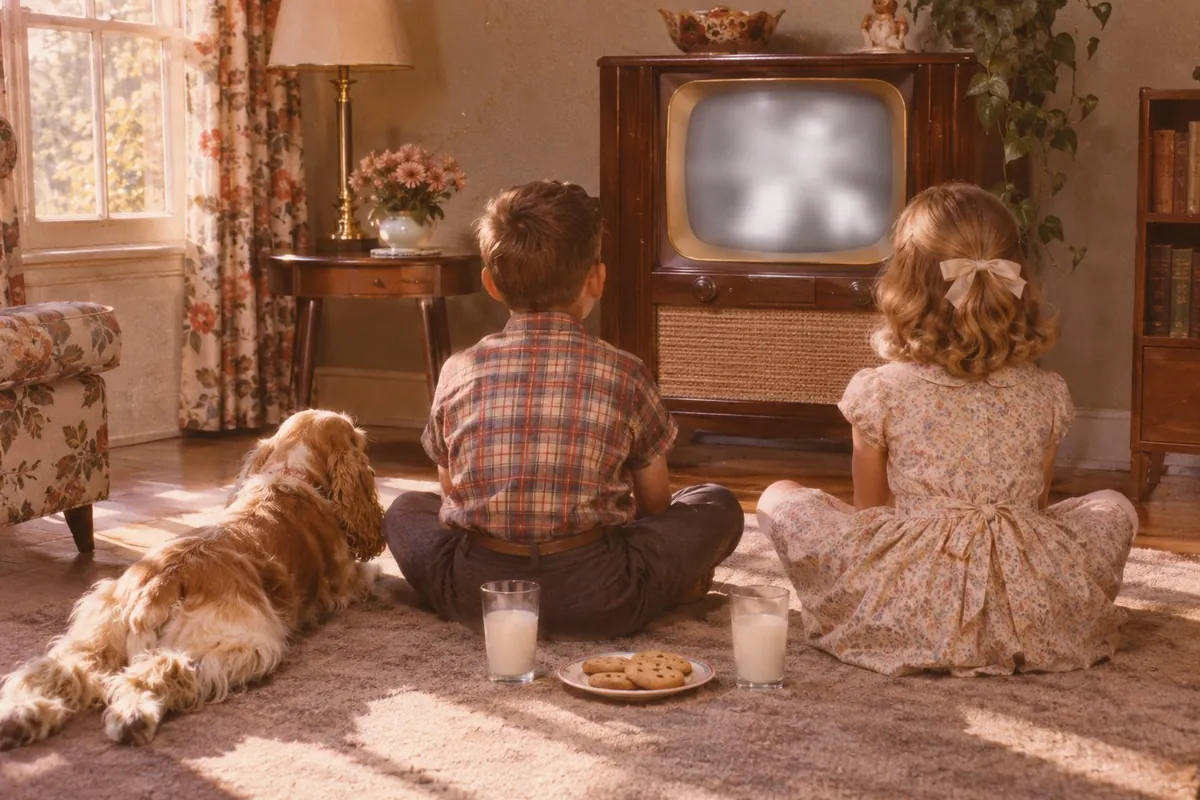
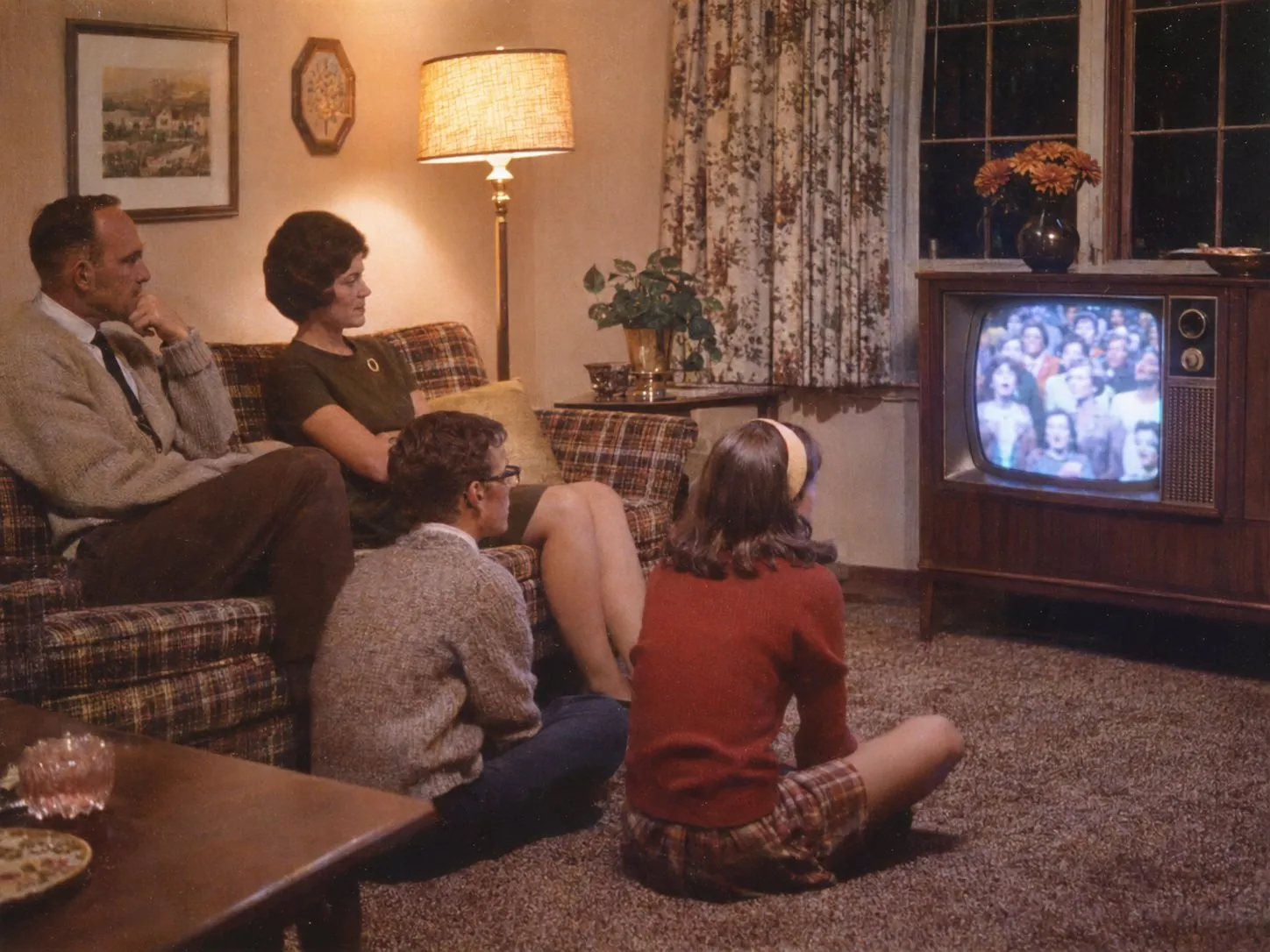
Plenty of Americans first saw the song on TV. On Sunday, October 6, 1968, CBS's Smothers Brothers Comedy Hour aired the Beatles' film of "Hey Jude." In it, Paul sits at the piano and the band gets surrounded by a crowd of ordinary people singing the ending with them.
That clip had been filmed on September 4, 1968, at Twickenham Film Studios near London. If you watched it on the family set, the crowd scene is probably what stuck with you.
Nine Weeks at the Top
"Hey Jude" reached No. 1 on the Billboard Hot 100 for the week ending September 28, 1968. It stayed there for nine straight weeks, through the week ending November 23, until the Supremes' "Love Child" knocked it off.
That was the longest stretch any Beatles single spent at No. 1 on the Hot 100. Billboard also named it the top song of 1968 on its year-end chart.
Think about everything else going on that fall: the election, the war on the evening news, the Olympics in Mexico City. Through all of it, this was the song coming out of car windows and transistor radios.
Jude, the Beatles, and How They Got Here
"Hey Jude" didn't come out of nowhere. The Beatles had spent four years changing what a pop record could be, and American fans followed every step.
It all started on Sunday night, February 9, 1964, when they played The Ed Sullivan Show from New York. Families crowded around the set, and for a lot of kids it was the first time they'd ever seen a rock band with long hair.
Who was the U.S. President when the Beatles came to America?
What made Rubber Soul different?
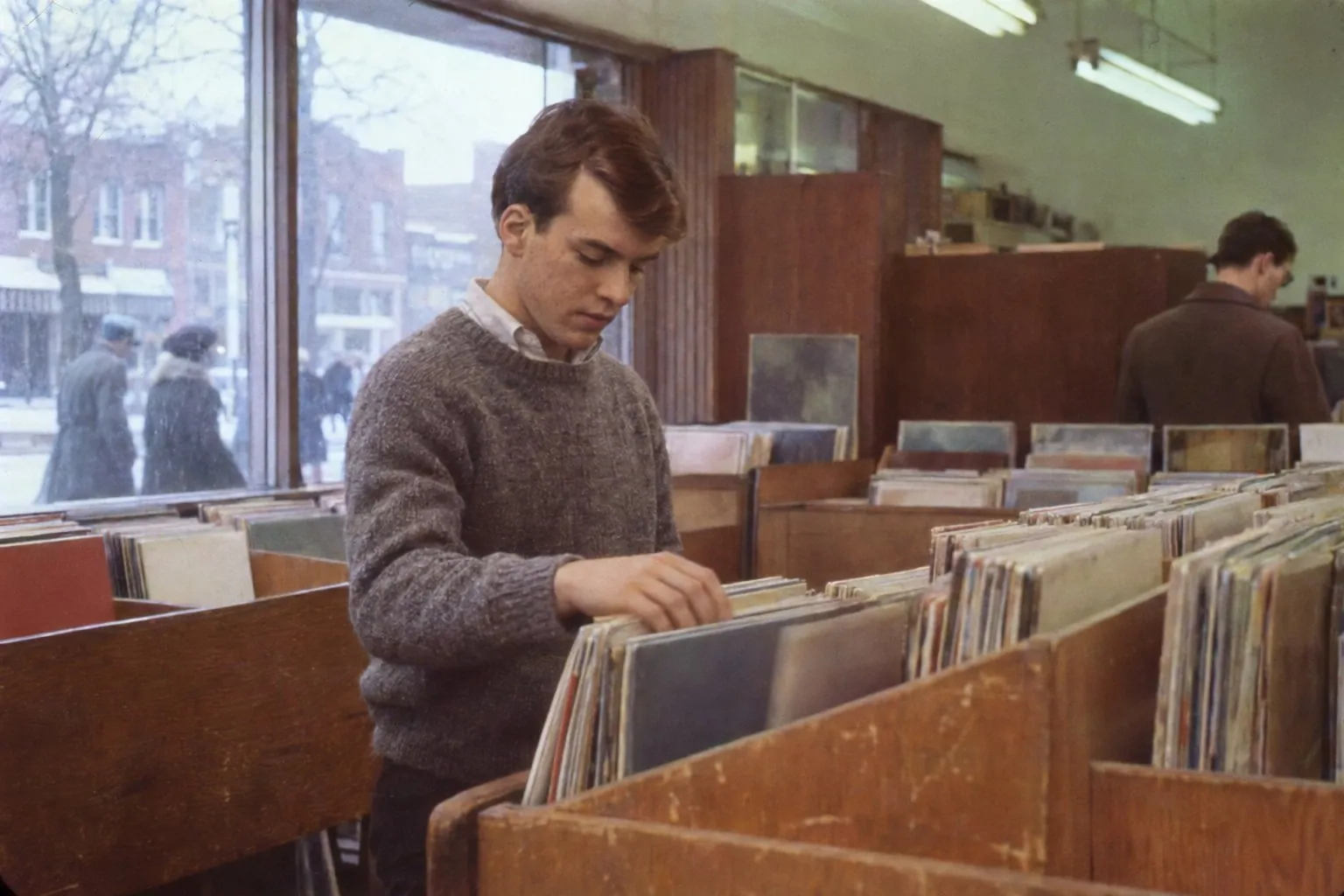
The Rubber Soul album came out in the U.S. on December 6, 1965, from Capitol Records. It reached No. 1 on Billboard's Top LPs chart in January 1966 and held the spot for six weeks.
Capitol's American version wasn't the same as the British one. It left off "Drive My Car" and "Nowhere Man" and added "I've Just Seen a Face" and "It's Only Love," which gave the American album a softer, more acoustic sound.
Songs like "Michelle," "Norwegian Wood" and "In My Life" sounded grown-up. A lot of listeners say this was the first Beatles album they played from start to finish instead of picking out the hits.
The Lucy in the Sky with Diamonds painting
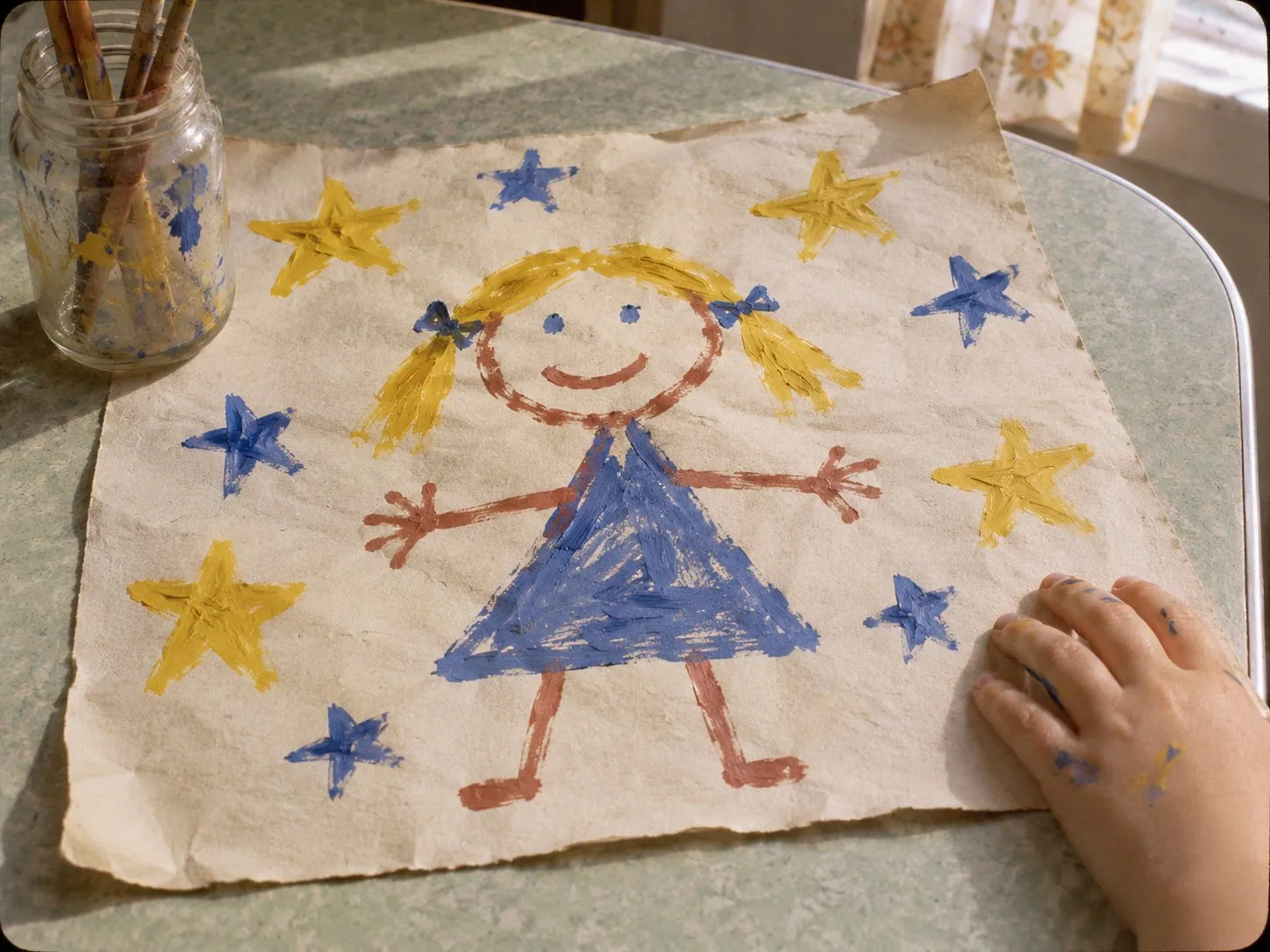
Julian Lennon turns up in another famous Beatles song. In 1966, he came home from nursery school with a picture he'd painted of a classmate, Lucy O'Donnell, with stars around her. He told his father it was "Lucy in the sky with diamonds."
John turned the phrase into a song for Sgt. Pepper's Lonely Hearts Club Band, which came out in the U.S. on June 2, 1967. People were sure the title was a code for LSD. John always said the idea came from his son's painting.
Lucy grew up to be Lucy Vodden. She and Julian got back in touch late in her life, before she died in 2009.
The end of the road
After "Hey Jude" came the White Album in late 1968, then Abbey Road in 1969 and Let It Be in 1970. By the spring of 1970, the band had broken up.
"Hey Jude" belongs to that last stretch. Even with the band coming apart, they could still make something the whole country wanted to sing.
Frequently asked questions
Who was "Hey Jude" written for?
Paul McCartney wrote it in 1968 for Julian Lennon, John and Cynthia Lennon's five-year-old son, while his parents were separating. It began as "Hey Jules" before Paul changed the name.
How long was "Hey Jude" at No. 1?
It spent nine weeks at No. 1 on the Billboard Hot 100, from the week ending September 28 through the week ending November 23, 1968. That's the longest any Beatles single held the top spot on that chart.
How long is "Hey Jude"?
The single runs about 7 minutes 11 seconds. Roughly four of those minutes are the "na-na-na" ending, sung over a 36-piece orchestra.
Is "Lucy in the Sky with Diamonds" about a real painting?
Yes. John Lennon said the title came from a picture Julian painted at nursery school in 1966 of his classmate Lucy O'Donnell. The song appeared on Sgt. Pepper in 1967.
When did Rubber Soul come out in America?
Capitol released it in the U.S. on December 6, 1965. It went to No. 1 on Billboard's Top LPs chart in January 1966 and stayed there six weeks.
Sources
- Billboard Hot 100 charts, weeks ending September 28 through November 23, 1968, Billboard, 1968
- The Complete Beatles Recording Sessions, Mark Lewisohn, Hamlyn, 1988
- Paul McCartney: Many Years From Now, Barry Miles, Henry Holt, 1997
- John, Cynthia Lennon, Crown, 2005
- The Playboy Interviews with John Lennon and Yoko Ono, David Sheff, Playboy Press, 1981
Related Stories
Love a trip down memory lane?
Get a fun quiz every morning. Free · One email a day · Unsubscribe anytime