The Beatles 1966 and Every Big Year From 1960 to 1967
From Hamburg cellars to Shea Stadium to Sgt. Pepper: what the Beatles did each year, and what was playing in your living room at the time.
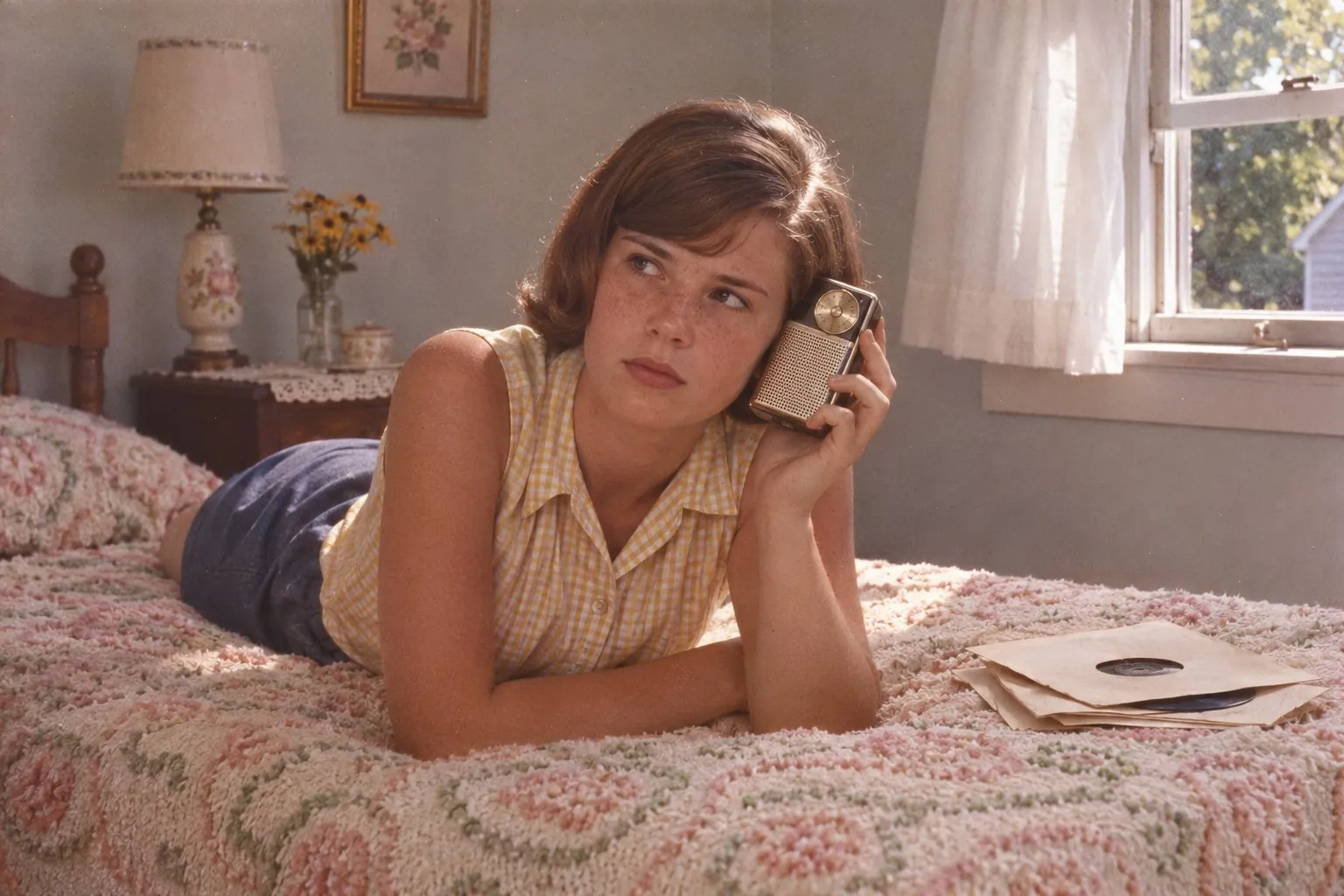
In 1960 the Beatles picked their name and learned their trade in Hamburg nightclubs. In 1963 they won over Britain, in 1964 America and in 1965 Shea Stadium; in 1966 they quit touring, and in 1967 they made Sgt. Pepper. The Beatles 1966 tour of America, with its burned records and a half-full last show in San Francisco, is the part most people remember only in pieces, so we spend extra time there.
After that came the White Album in 1968, Abbey Road in 1969 and the breakup that went public in April 1970. Each year below sits next to what was going on in American homes at the same moment, from the console TV in the den to the transistor radio under your pillow.
We picked the years when something changed for the band: the start, the British breakthrough, the American peak, the end of the road shows and the studio summit.
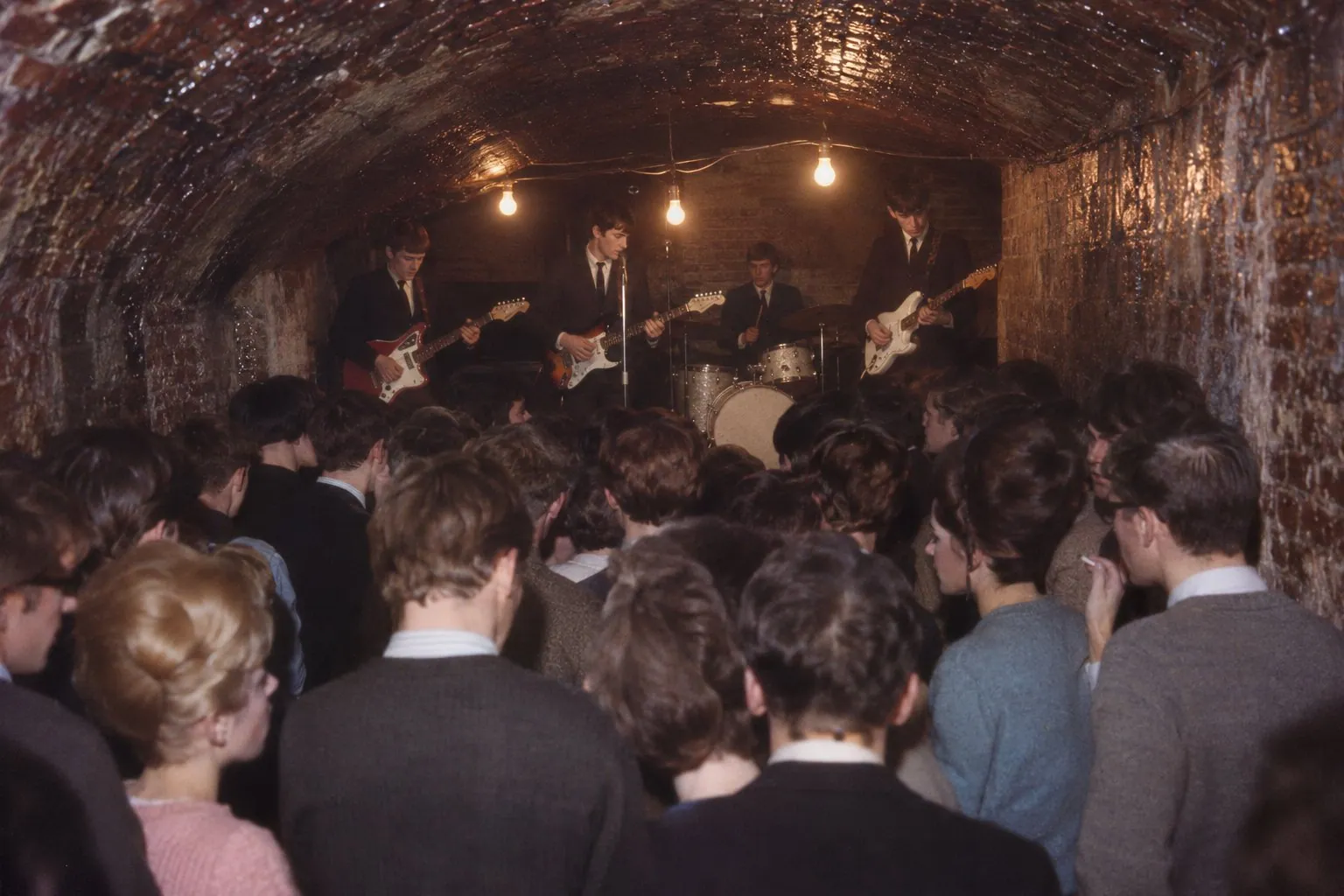
1960 and 1961: Hamburg and the Cavern Club
In the summer of 1960, a Liverpool group that had tried names like the Silver Beetles settled on the Beatles. That August they rode a cramped van to Hamburg to play hours-long sets in the clubs near the Reeperbahn. The lineup was John Lennon, Paul McCartney, George Harrison, Stuart Sutcliffe on bass and Pete Best on drums.
Nobody in America had heard of them. That September, your family probably gathered around the set to watch Kennedy and Nixon debate on live television, and Chubby Checker's "The Twist" had kids pushing back the living room rug.
On February 9, 1961, the Beatles played their first lunchtime show at the Cavern Club, a damp brick cellar on Mathew Street in Liverpool. On November 9 that year, a local record-shop manager named Brian Epstein walked down the steps to hear them. By early 1962 he was their manager, and by that August Ringo Starr had replaced Pete Best. "Love Me Do" came out in Britain that October.
Read more: How to Put Together an Authentic '50s Style Outfit
1963: Huge in Britain, Unknown Over Here
By 1963 Britain had a word for it: Beatlemania. "Please Please Me," "She Loves You" and "I Want to Hold Your Hand" turned the four into the biggest act in the country, and that November they played the Royal Variety Performance in London.
America shrugged at first. Small labels tried: Vee-Jay put out "Please Please Me" in early 1963 and Swan released "She Loves You" that fall, and both went almost nowhere on American radio. Capitol Records, which had passed on the band, finally rushed out "I Want to Hold Your Hand" on December 26, 1963.
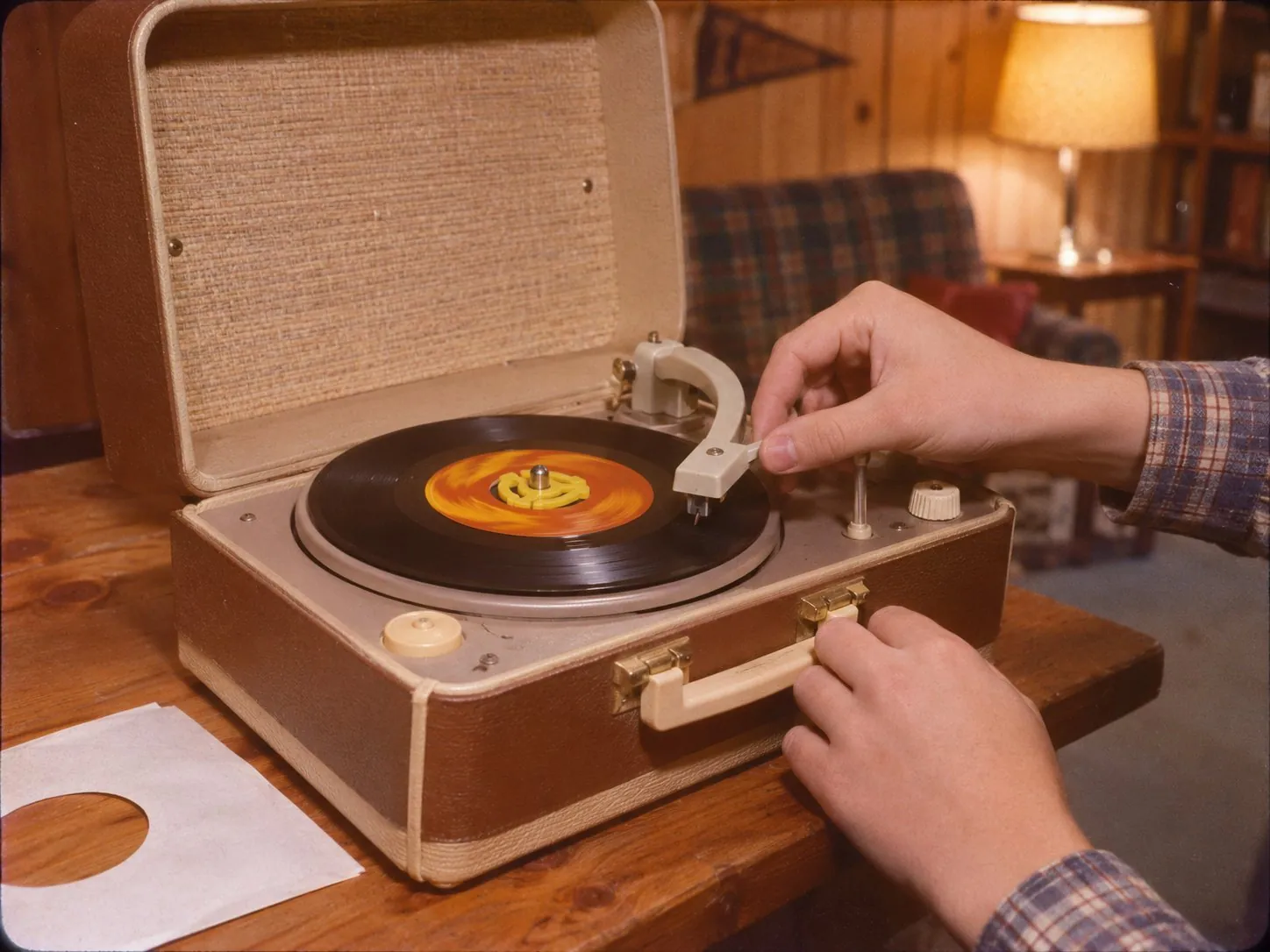
You probably remember how fast it moved after that. A 45 that nobody knew at Christmas was everywhere by the end of January, and the song hit No. 1 on the Billboard Hot 100 for the week ending February 1, 1964.
1964 and 1965: Ed Sullivan, Shea Stadium and "Yesterday"
The band landed in New York on February 7, 1964, to a crowd of screaming teenagers at the airport. Two nights later they would be on the biggest Sunday show in the country.
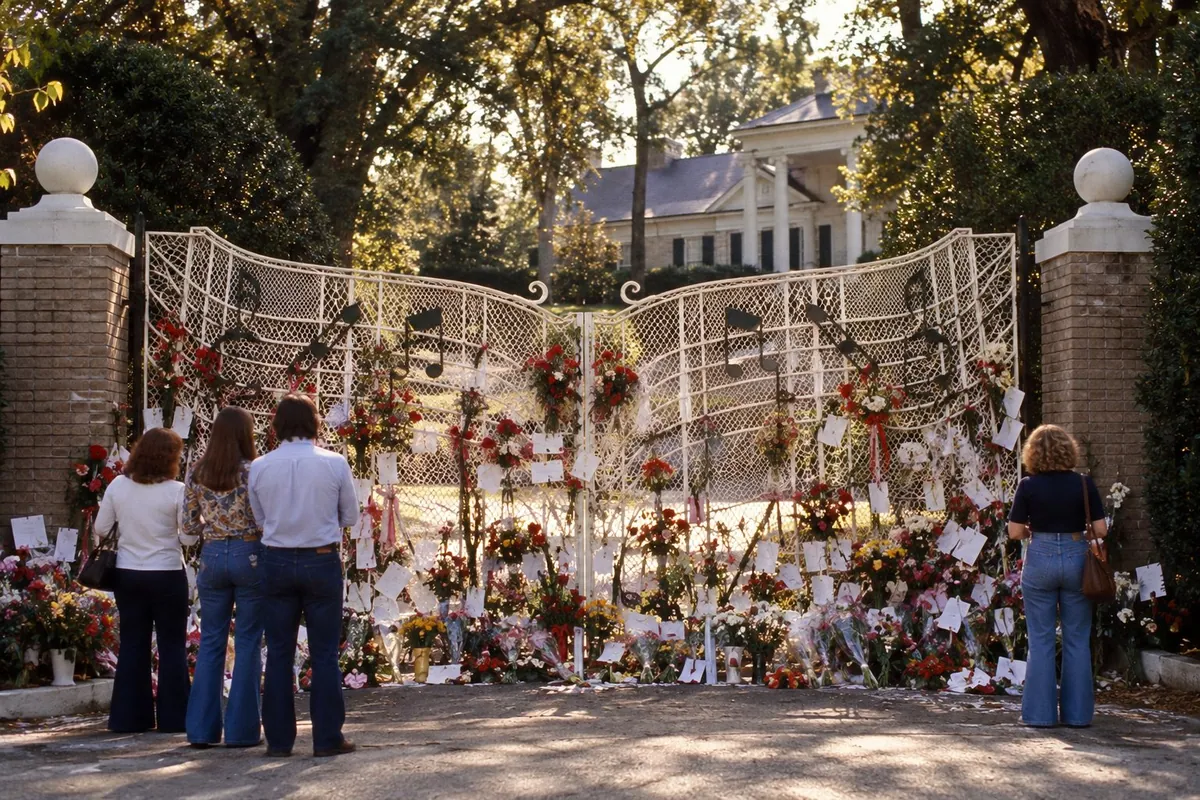
Who was the U.S. President when the Beatles came to America?
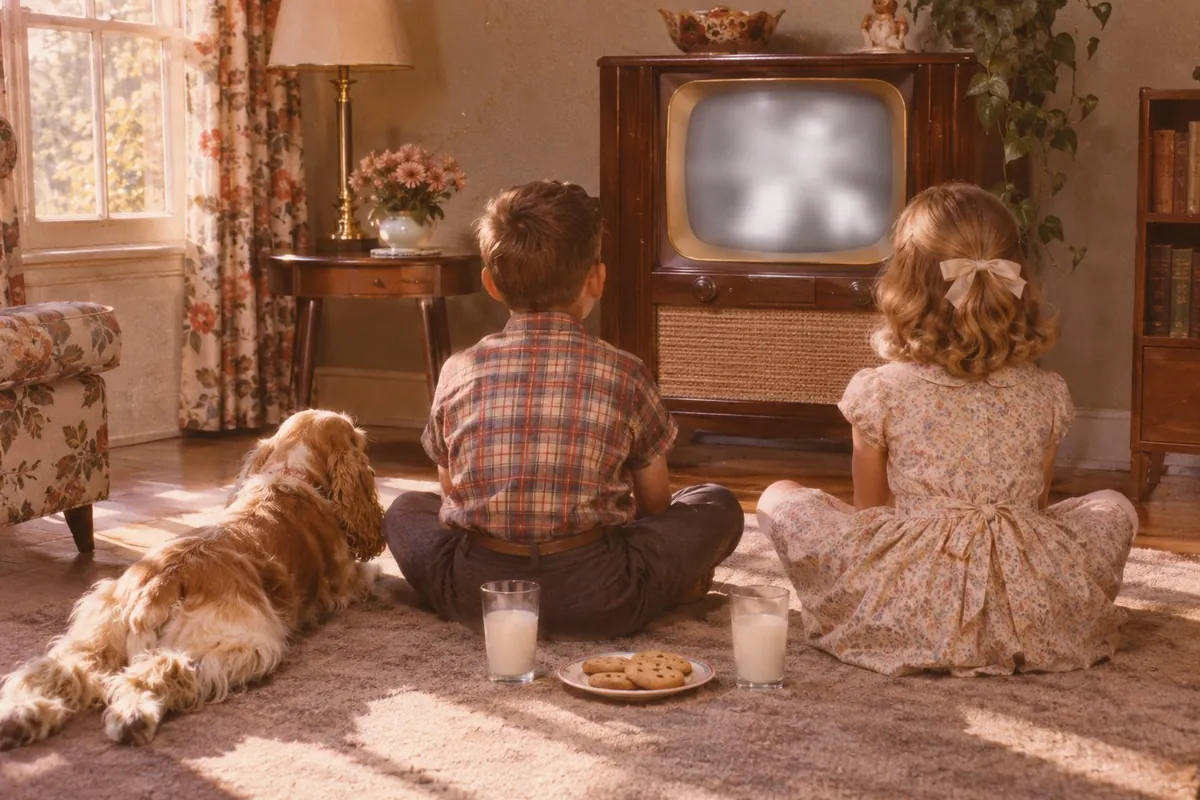
On February 9, 1964, the Beatles played The Ed Sullivan Show from CBS's studio in Manhattan. If you were a teenager, you likely watched it on the family set while your father wondered aloud about the haircuts. On the Billboard Hot 100 dated April 4, 1964, Beatles songs held all top five spots.
The next summer was bigger. On August 15, 1965, the band played to 55,600 people at Shea Stadium in Queens, more than had ever attended a rock concert, Ultimate Classic Rock reported. McCartney later recalled in the band's Anthology that filling a place that size felt like "magic, just walls of people."
The money side was modest by any later standard. A mezzanine seat had a $5.00 face value (about $50 today), and with a 40-cent federal tax and a 25-cent city tax it came to $5.65 (about $57 today), the Times Union of Albany found. That paper also tracked down people who were there, including Lauren Maehrlein of Lake George, for its 60th-anniversary story.
Pop culture writer Garry Berman wrote that at Shea, "Beatlemania reached its delirious crescendo — or, perhaps, one crescendo among many."
At home, 1965 had a harder edge. The first Marines landed at Da Nang that March, and the evening news began bringing Vietnam into the living room. That summer brought the movie Help! to your local theater. In the fall the Beatles gave you "Yesterday," No. 1 on the Billboard Hot 100 for the week ending October 9, 1965, and in December came Rubber Soul.
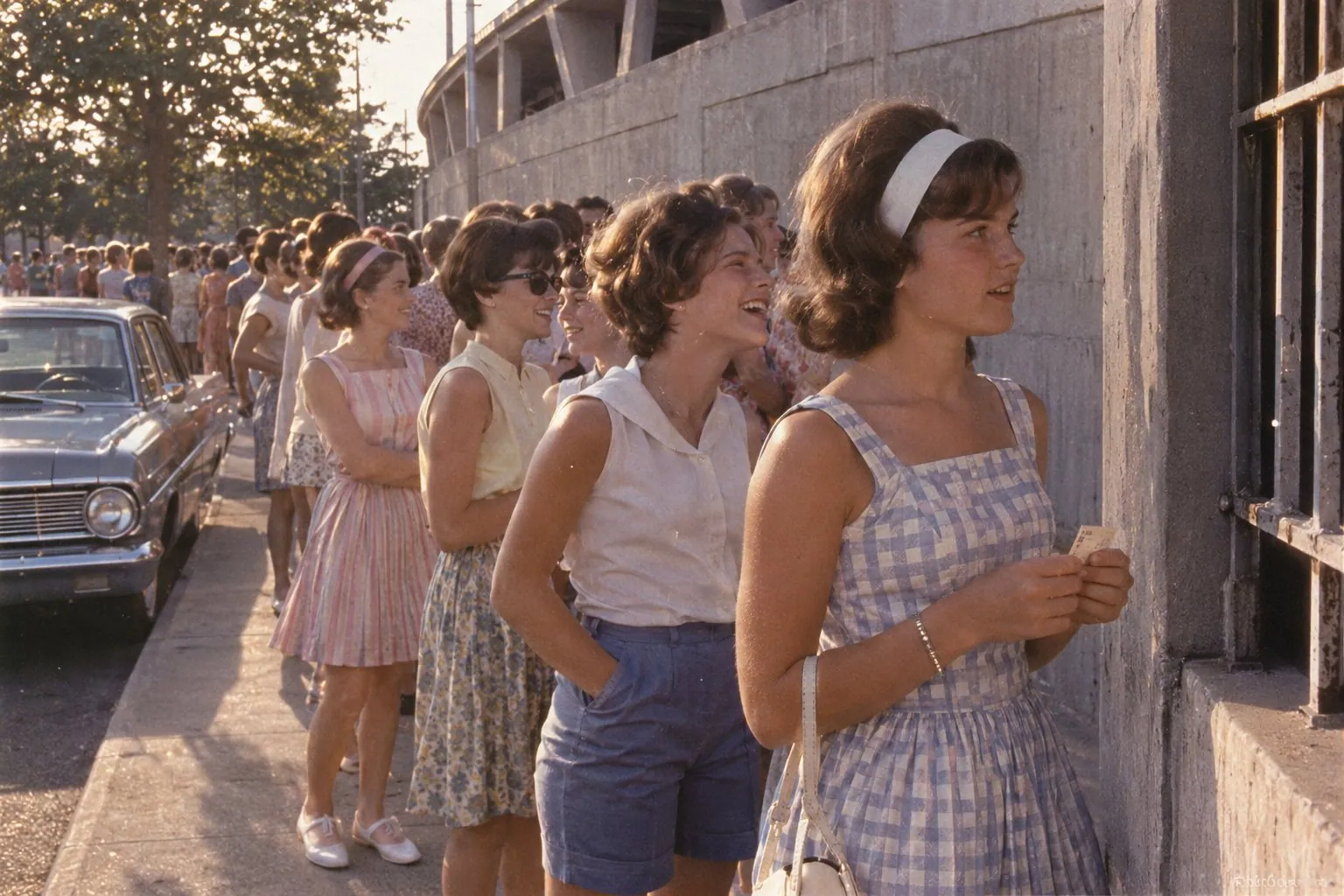
The Beatles 1966: Burned Records and a Last Concert
In March 1966, John Lennon told reporter Maureen Cleave of London's Evening Standard that the Beatles were "more popular than Jesus," Mother Jones recounts. Britain barely noticed. Then on July 29, 1966, the American teen magazine Datebook reprinted the line, The Beatles Bible records.
Radio stations, mostly in the South, called for listeners to bring in their records to be burned. On August 11, 1966, a Ku Klux Klan leader in Chester, South Carolina, threw Beatles records onto a burning cross, Mother Jones reported. Signs went up along the highway too; Pop History Dig shows one on Route 93 near Hazleton, Pennsylvania.
The band toured anyway. That summer brought Revolver, with "Eleanor Rigby" and "Yellow Submarine." It also brought the "butcher" cover on the Yesterday and Today album, which Capitol pulled and pasted over in June.
On August 29, 1966, the Beatles played Candlestick Park in San Francisco. Tickets ran $4.50 to $6.50 (about $44 to $63 today), and only a little more than half of the 42,500 seats were sold, Consequence reported. It turned out to be their last paid concert. Few in the stands knew it.
Back in American dens that September, The Monkees premiered on NBC. It was a TV band built in the Beatles' image, arriving just as the real one walked off the stage.
1967: The Sgt. Pepper Summer
With no tours to plan, the Beatles lived in the studio. "Penny Lane" topped the Billboard Hot 100 for the week ending March 18, 1967. Sgt. Pepper's Lonely Hearts Club Band arrived in American stores in early June, and it held No. 1 on Billboard's Top LPs chart for 15 weeks, American Songwriter notes.
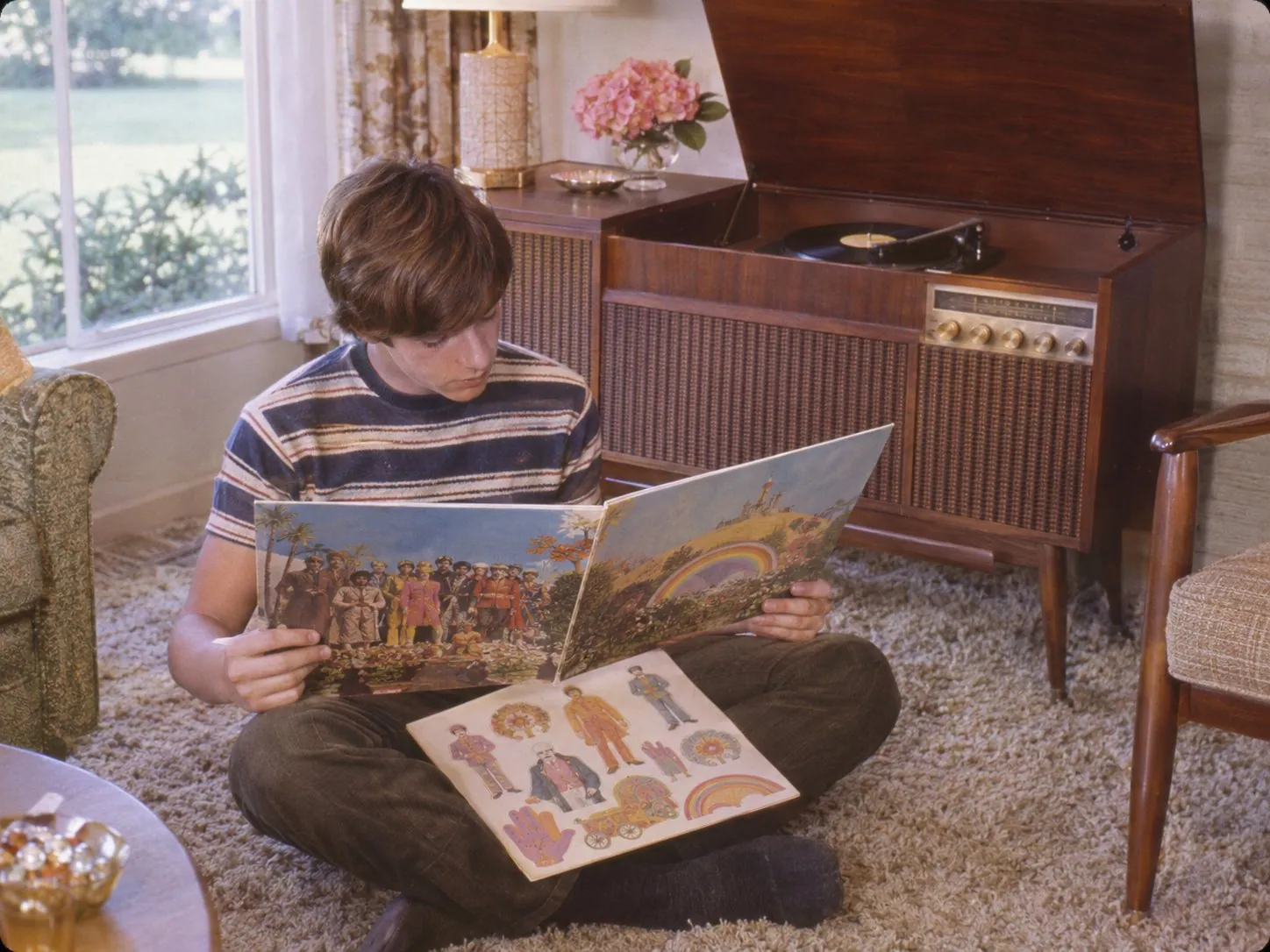
You may remember the gatefold sleeve, the cardboard cutouts tucked inside and the song lyrics printed right on the back. On June 25, 1967, the band sang "All You Need Is Love" on Our World, a live broadcast sent by satellite to many countries.
Then the year turned. Brian Epstein died on August 27, 1967, and the band never had a steady hand at the wheel again. Magical Mystery Tour closed out the year, and the road led to the White Album, Abbey Road and the April 1970 split.
Frequently asked questions
What did the Beatles do in 1960?
They settled on the name the Beatles that summer and in August went to Hamburg, West Germany, to play long nights in clubs. Pete Best was their drummer then; Ringo Starr joined in August 1962.
What happened with the Beatles in 1961?
On February 9, 1961, they played their first lunchtime show at Liverpool's Cavern Club. On November 9, Brian Epstein came to see them, and he became their manager early in 1962.
What did the Beatles do in 1965?
They played to 55,600 fans at Shea Stadium on August 15, 1965, per Ultimate Classic Rock. They also released the film Help!, the hit "Yesterday" and, in December, Rubber Soul.
When did the Beatles stop touring?
Their last paid concert was at Candlestick Park in San Francisco on August 29, 1966, Consequence reported. After that they worked only in the studio.
What was the big Beatles album of 1967?
It was Sgt. Pepper's Lonely Hearts Club Band, which held No. 1 on Billboard's Top LPs chart for 15 weeks, according to American Songwriter. "All You Need Is Love" and Magical Mystery Tour followed that year.
Sources
- The Day the Beatles Set a New Stadium Rock Standard, Ultimate Classic Rock
- 60 years ago this week, The Beatles made history in NY, Times Union, 2025
- 29 July 1966: Datebook republishes John Lennon's 'Jesus' comments, The Beatles Bible
- Burn Your Beatles Records!, Mother Jones, 2014
- Listen to cassette recording of The Beatles' final concert at Candlestick Park, Consequence, 2014
- The Surprising Album That Pushed the Beatles' 'Sgt. Pepper's' Out of the No. 1 Spot, American Songwriter
Related Stories
Love a trip down memory lane?
Get a fun quiz every morning. Free · One email a day · Unsubscribe anytime