The Avanti Car Company That Outlived Studebaker
Studebaker gave up on the Avanti in 1963. Two South Bend dealers kept building it by hand, and the car stayed in production until 2006.
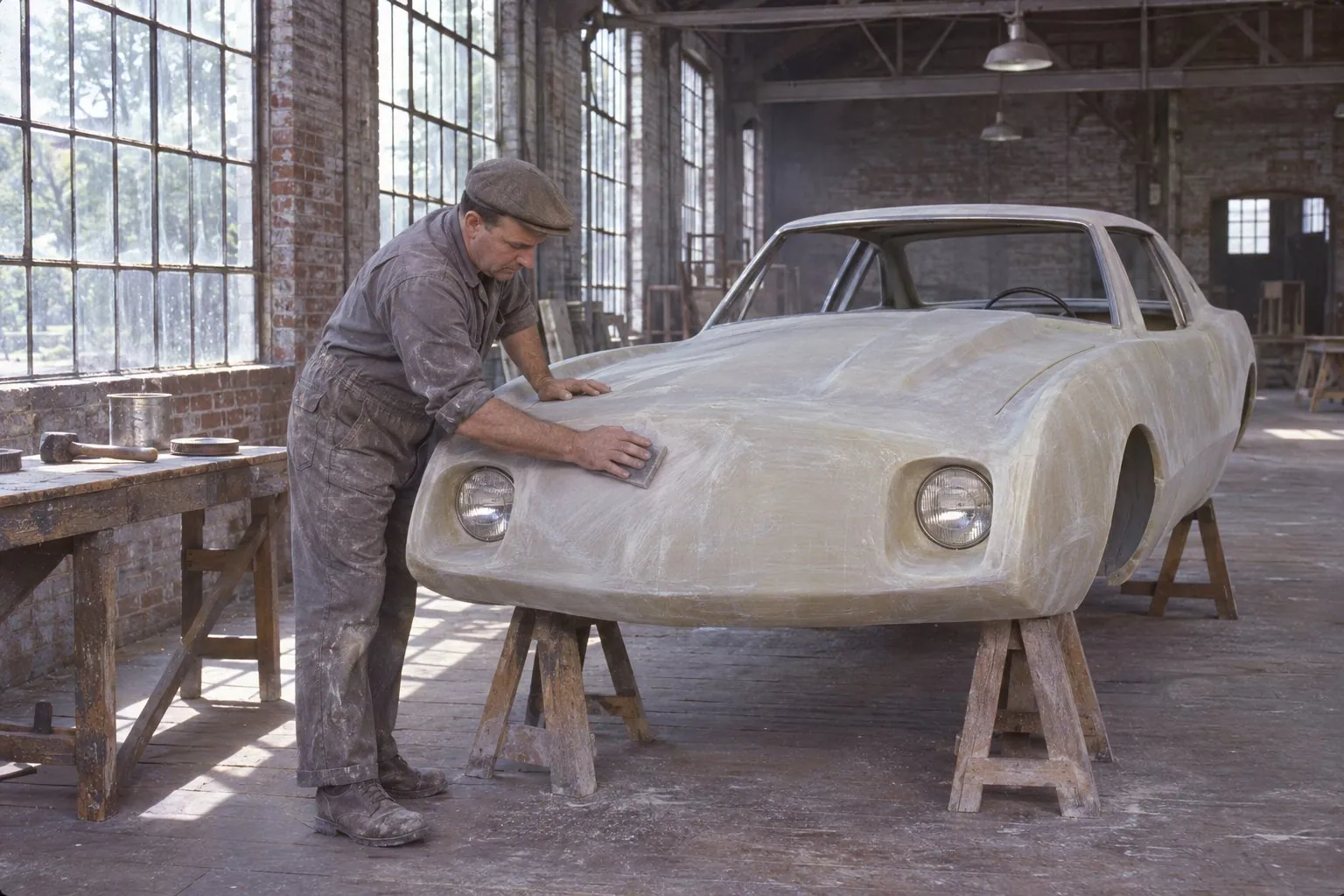
Two Studebaker dealers from South Bend, Nate Altman and Leo Newman, kept the Avanti going after Studebaker closed its South Bend plant in December 1963. Their small Avanti car company started selling the hand-built Avanti II in 1965, and with a string of later owners the car stayed in production until 2006.
You probably remember the first time you saw one. It had no grille, a long hood that sloped down to the bumper, and a tail that looked cut off clean. Most other cars on the road were still chrome and fins, and the Avanti didn't look like any of them.
This is how a car its maker dropped ended up lasting longer than most cars that sold well.
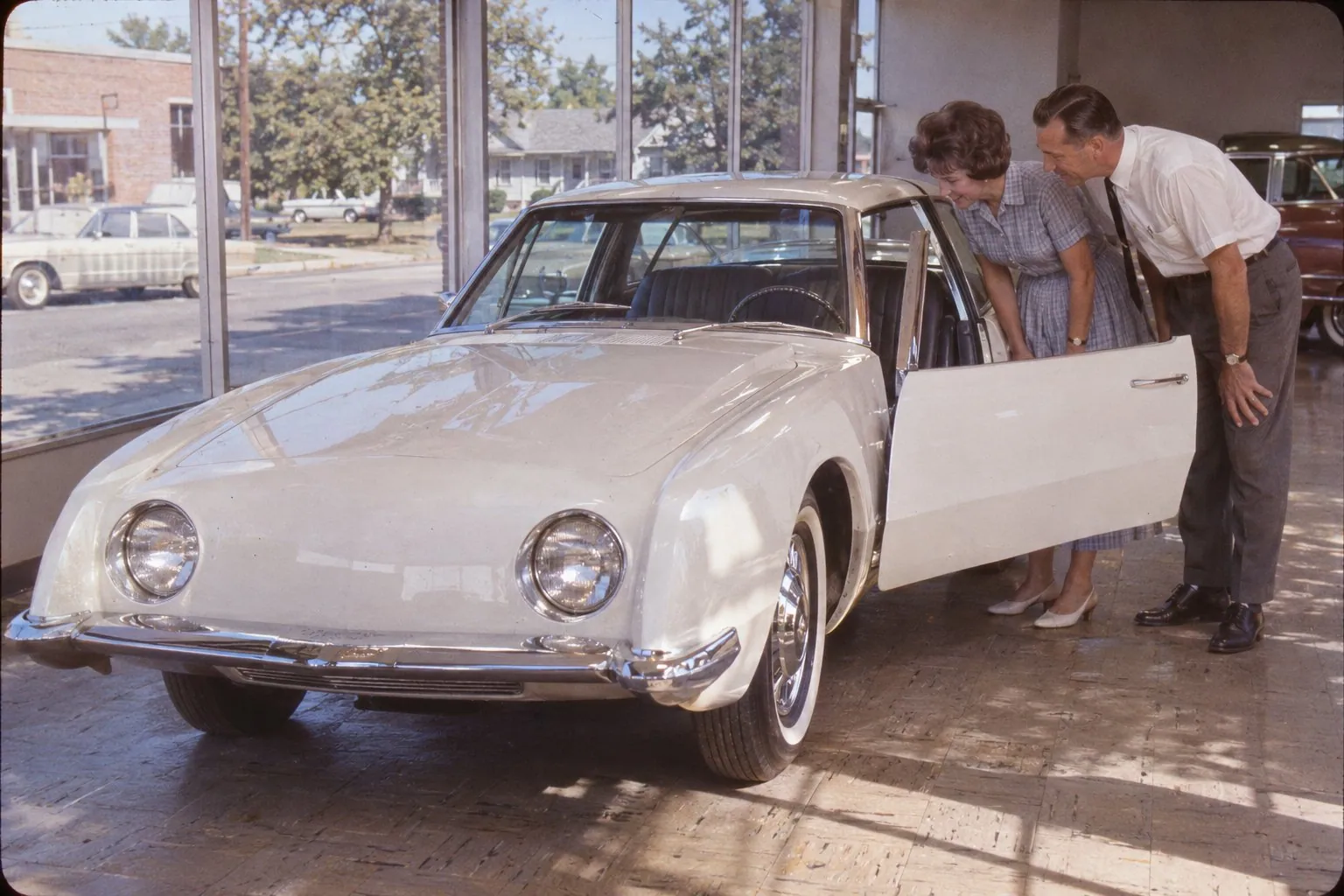
A Studebaker nobody expected
In 1961 Studebaker was in trouble. Sherwood Egbert had just become president, and he wanted a car that would get people to walk into the showrooms again. He took the job to Raymond Loewy, the industrial designer, whose small team drew the Avanti in a few weeks at a rented house in Palm Springs, California.
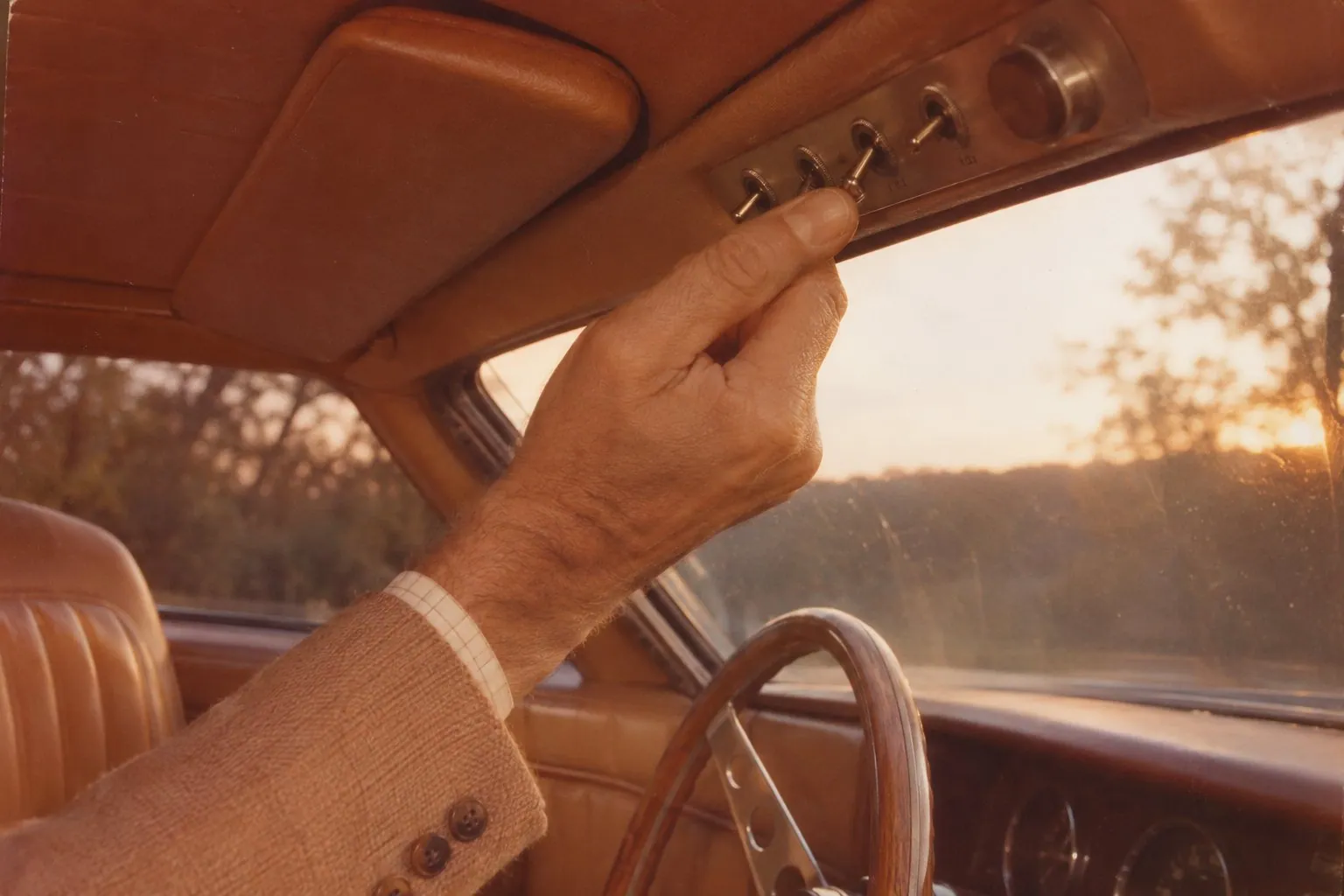
The car had a fiberglass body on a strengthened Lark chassis. It came with front disc brakes, which American cars of the day almost never had, and a padded roll bar built into the roof. Some of the switches were mounted overhead like in an airplane cockpit. You could also order a supercharged 289 V8. In 1962 a tuned Avanti set more than two dozen speed records at the Bonneville Salt Flats.
The 1963 base price was $4,445 (about $45,800 today). That put it near a Corvette and well above a Lark sedan.
Loewy and Studebaker went back a long way
The Avanti wasn't the first time Loewy's studio had made a Studebaker look different. His designers had shaped the company's cars since the late 1940s, including the low 1953 Starliner coupe that many people still call one of the best-looking cars of the '50s.
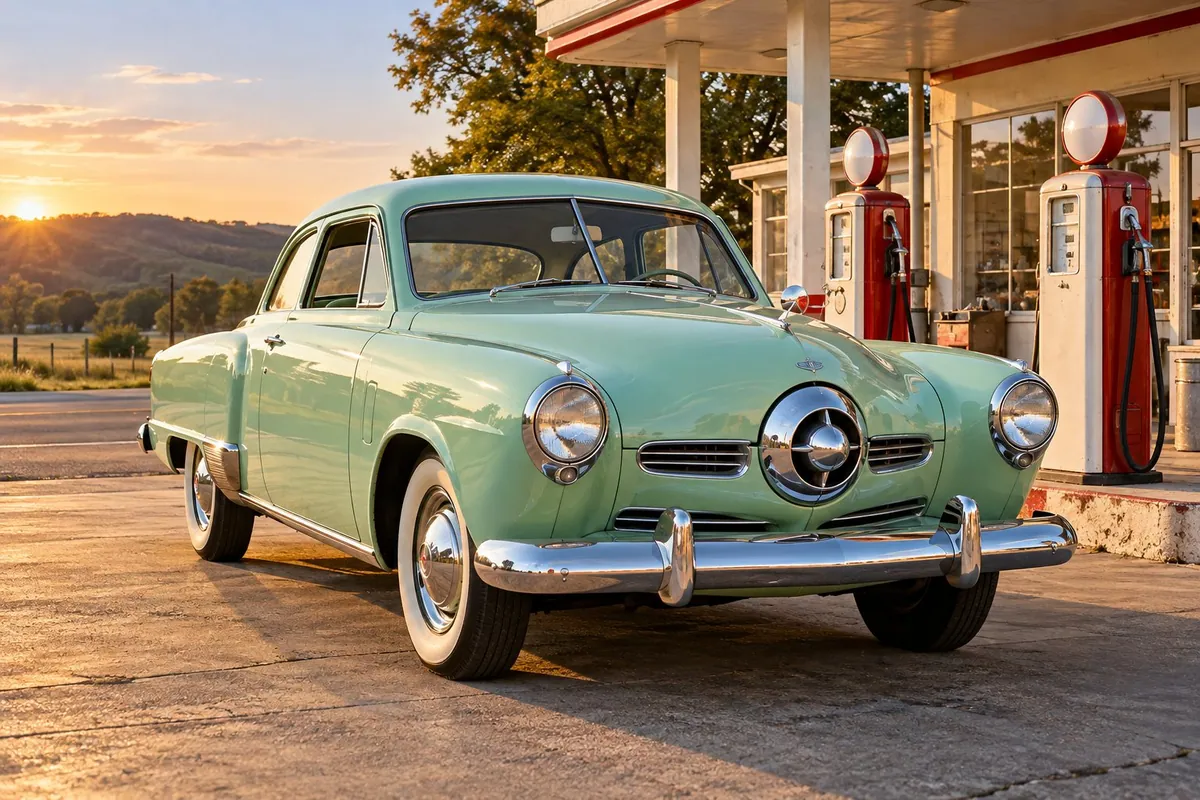
Its "bullet nose" made it look like an airplane. Which 1950 car is this?
Read more: The 1950 Studebaker Bullet Nose: Coming or Going?
Why Studebaker gave it up
The Avanti got off to a bad start. Studebaker had a hard time getting good fiberglass bodies from its supplier, and buyers who had placed orders waited months while their dealers had no cars to show them. By the time production picked up, a lot of those buyers had bought something else.
In December 1963 Studebaker announced it would stop building cars in South Bend and move what was left to its plant in Hamilton, Ontario. The Avanti didn't go to Canada. About 4,600 had been built as 1963 models, and fewer than 1,000 more were sold as 1964s. Studebaker stopped building cars altogether in March 1966.
Two dealers and an old factory
Nate Altman and Leo Newman had been selling Studebakers in South Bend for years, and they didn't want the Avanti to die with the company. They bought the name, the body molds and the tooling, along with space in part of the old Studebaker plant. They called the new firm the Avanti Motor Corporation.
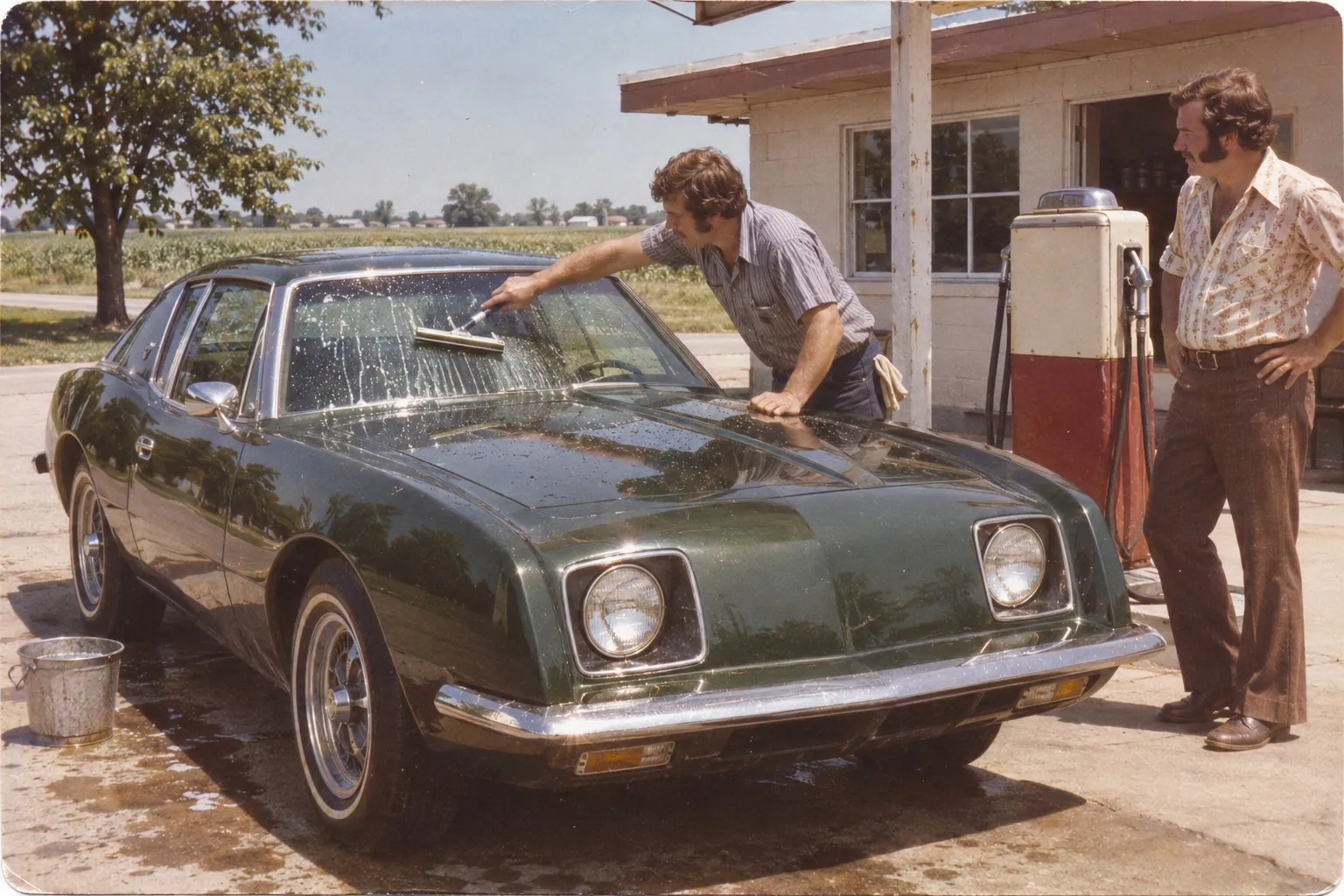
They needed an engine, since Studebaker no longer made one. They chose Chevrolet's Corvette 327 V8, rated at 300 horsepower. The Chevy engine sat higher, so the front of the car was raised a little. That took away the nose-down look of the Studebaker version. If you see an Avanti sitting level, it's almost certainly a II.
Built by hand, a few at a time
The Avanti II went on sale for 1965. Altman and Newman ran it like a custom tailor shop. Buyers picked from a long list of paint colors and leathers, and each car was put together by hand in the old Studebaker buildings. Many of the workers had built cars there for Studebaker.
The base price was about $6,500 in 1965 (about $65,000 today). A 1965 Corvette Sting Ray coupe cost about $4,321 (about $43,200 today). An Avanti II owner paid roughly a third more and got a car that very few people on his street had.
The company built a few dozen cars that first year and usually only a couple hundred a year after that. Nobody tried to grow it. That small output is a big reason the company lasted.
The Avanti car company changes hands
Nate Altman died in 1976, and his brother Arnold took over and ran the company the same way. The engines grew over the years: a Chevy 350 by the end of the 1960s, a 400 for a while in the 1970s, and smaller V8s once fuel economy rules tightened. The body hardly changed at all.
In 1982 Washington, D.C., developer Stephen Blake bought the company. He gave the car a more modern look, with body-colored bumpers and fewer chrome pieces. By then the sticker price was well over $20,000 in 1982 (more than $66,000 today). The company ran into money trouble anyway and went through bankruptcy.
Youngstown, then a long break
Texas businessman Michael Kelly bought the company in 1986. Within a couple of years he had moved production from South Bend to Youngstown, Ohio, with help from local developer J.J. Cafaro. The Youngstown plant built a convertible and later a four-door sedan, with General Motors parts underneath. Production ended there around 1991.
Most people figured that was the end, since it had already outlived its maker by nearly 30 years.
The last Avantis
Kelly brought the car back in the late 1990s and set up in Villa Rica, Georgia. The later cars had a Camaro or Firebird chassis under them, and the last ones had a Ford Mustang chassis. Toward the end, production moved to Mexico. It stopped for good in 2006, 43 years after the first Avanti came out of South Bend.
What the Avanti cost, era by era
The table shows prices from the years we can match to the official inflation figures. Later prices varied with options and aren't listed here.
| Year | Car | Price then | About today |
|---|---|---|---|
| 1963 | Studebaker Avanti, base | $4,445 | $45,800 |
| 1965 | Avanti II, base | about $6,500 | $65,000 |
| 1965 | Corvette Sting Ray coupe, for comparison | about $4,321 | $43,200 |
| 1982 | Avanti II, base | over $20,000 | over $66,000 |
The Studebaker National Museum in South Bend still keeps Avantis on display, a short drive from the buildings where Altman and Newman built them.
Frequently asked questions
Who built the Avanti II?
The Avanti Motor Corporation, started by South Bend Studebaker dealers Nate Altman and Leo Newman, built the Avanti II beginning with the 1965 model year. Arnold Altman ran it after Nate died in 1976, and Stephen Blake bought it in 1982.
Is the Studebaker Avanti II a real Studebaker?
Not exactly. Studebaker built the original 1963–64 Avanti. The Avanti II came from a separate company that used Studebaker's molds, tooling and part of its plant, but put in a Chevrolet engine.
Why is it sometimes called the Chevrolet Avanti?
The Avanti II and the later cars used Chevrolet V8s, starting with the Corvette 327 in 1965. Chevrolet never built or sold the car, though, so "Chevrolet Avanti" is only a nickname.
How many years was the Avanti made?
Counting from the 1963 Studebaker to the last cars in 2006, it was made for about 43 years, with a break in the 1990s. Production moved from South Bend to Youngstown, Ohio, and later to Georgia and Mexico.
How can you tell an Avanti II from a 1963 Studebaker Avanti?
The easiest clue is the stance. The Studebaker sits nose-down, while the Avanti II sits level because the front was raised to fit the Chevy engine. The Avanti II also had "II" badging.
Sources
- The Avanti: America's Most Advanced Automobile, Studebaker National Museum, 2022
- Restoring Studebaker Avanti #1, America's Car Museum
- 1965 Avanti Avanti II, Hagerty
- Studebaker National Museum celebrates the Avanti in new exhibit, Old Cars Weekly, 2022
- Consumer Price Index inflation figures, U.S. Bureau of Labor Statistics, 2024
Related Stories
Love a trip down memory lane?
Get a fun quiz every morning. Free · One email a day · Unsubscribe anytime