Replacement Bulbs for Your Vintage Ceramic Christmas Tree
Missing pegs, a dead cord, a dark tree? Here's how to find the right bulbs and LED kit and get Mom's ceramic tree lit by Christmas.
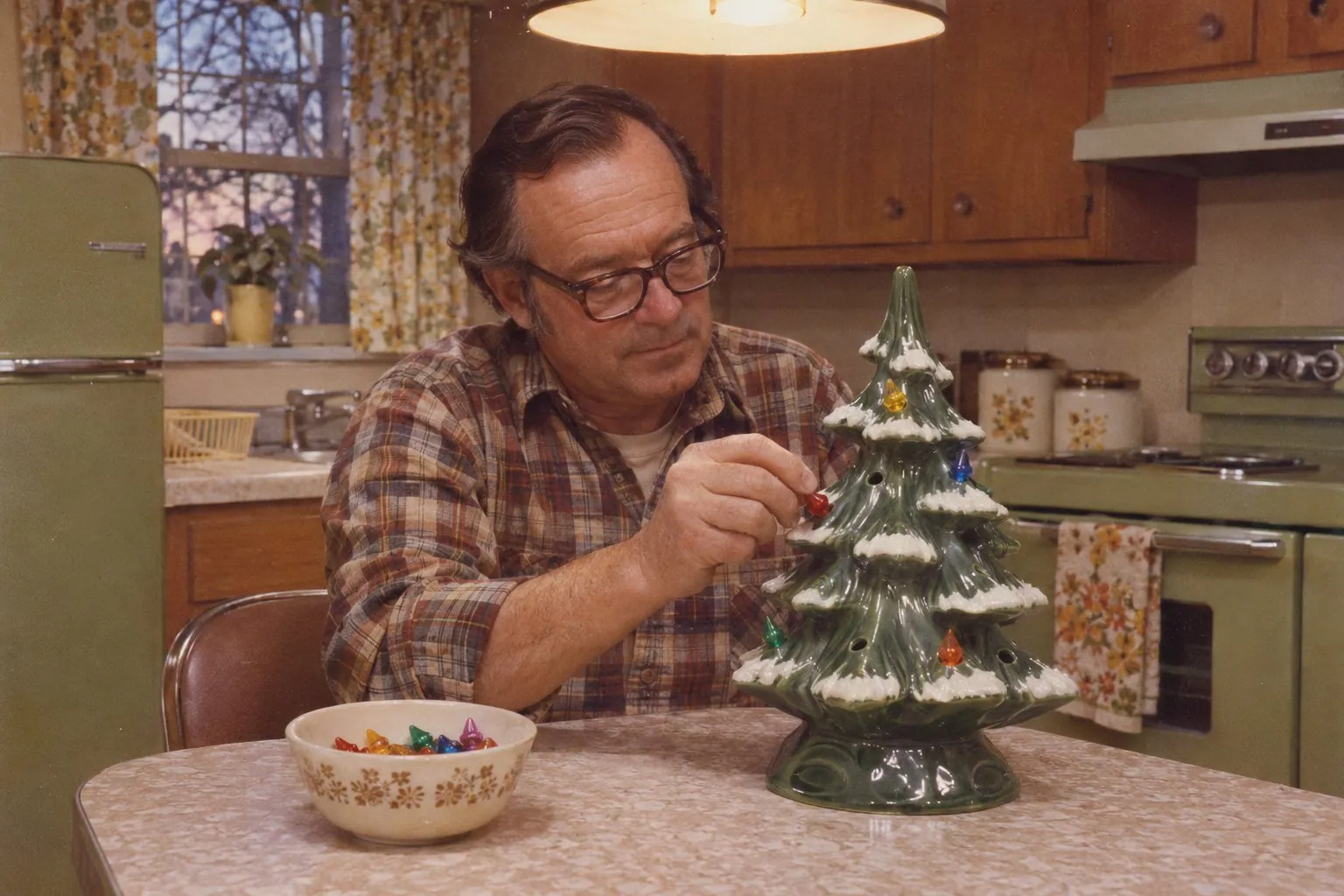
You can buy replacement bulbs for a vintage ceramic Christmas tree from ceramic hobby suppliers, craft stores, Etsy sellers and Amazon. They come in bags of plastic twist bulbs, bird bulbs and star toppers. To put them in, push each peg's stem into its hole until it sits snug, add a dot of tacky glue if it wobbles, and if the cord is dead, put in a new UL-listed LED light kit.
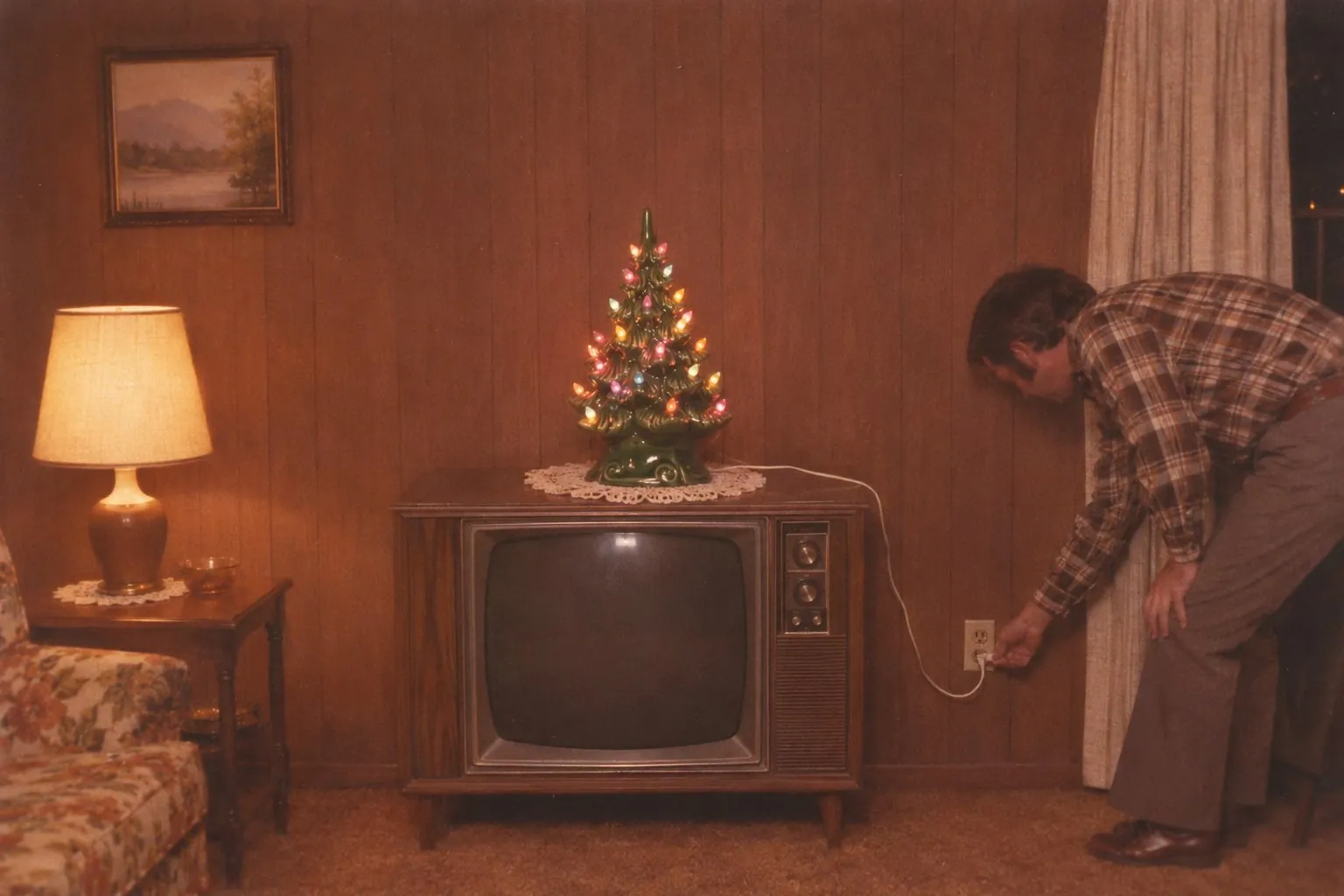
You probably remember the one at your house. It sat on top of the console TV or the end table, glowing red, green, yellow and blue in a dark living room. Somebody's mother or aunt made it in a ceramics class, painted the green glaze, and brushed on a little flocked "snow."
Fifty years later, that tree has probably lost a dozen pegs and the cord is stiff as a pretzel. The good news is that it's an easy fix, and the parts are still made.
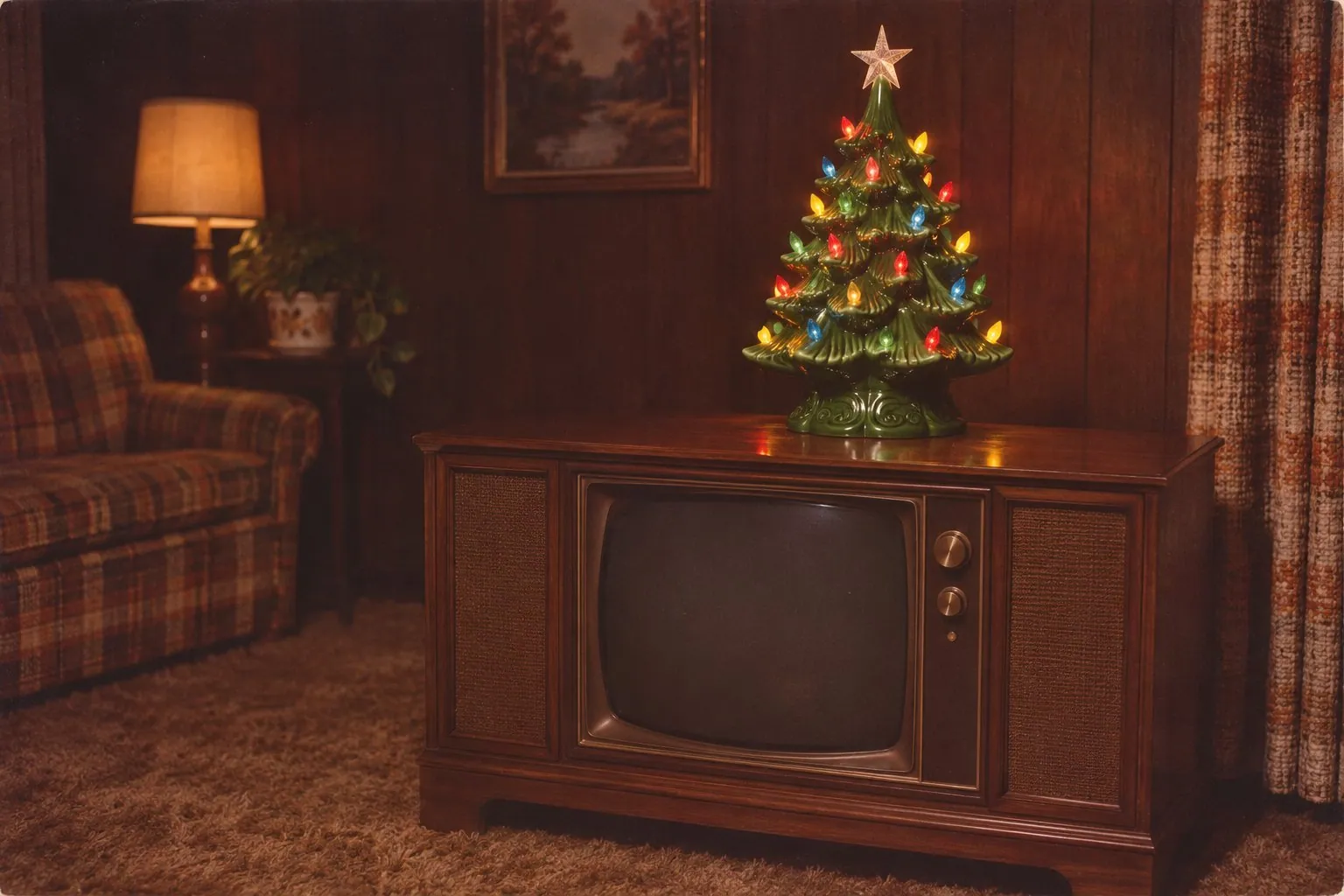
How these trees were made
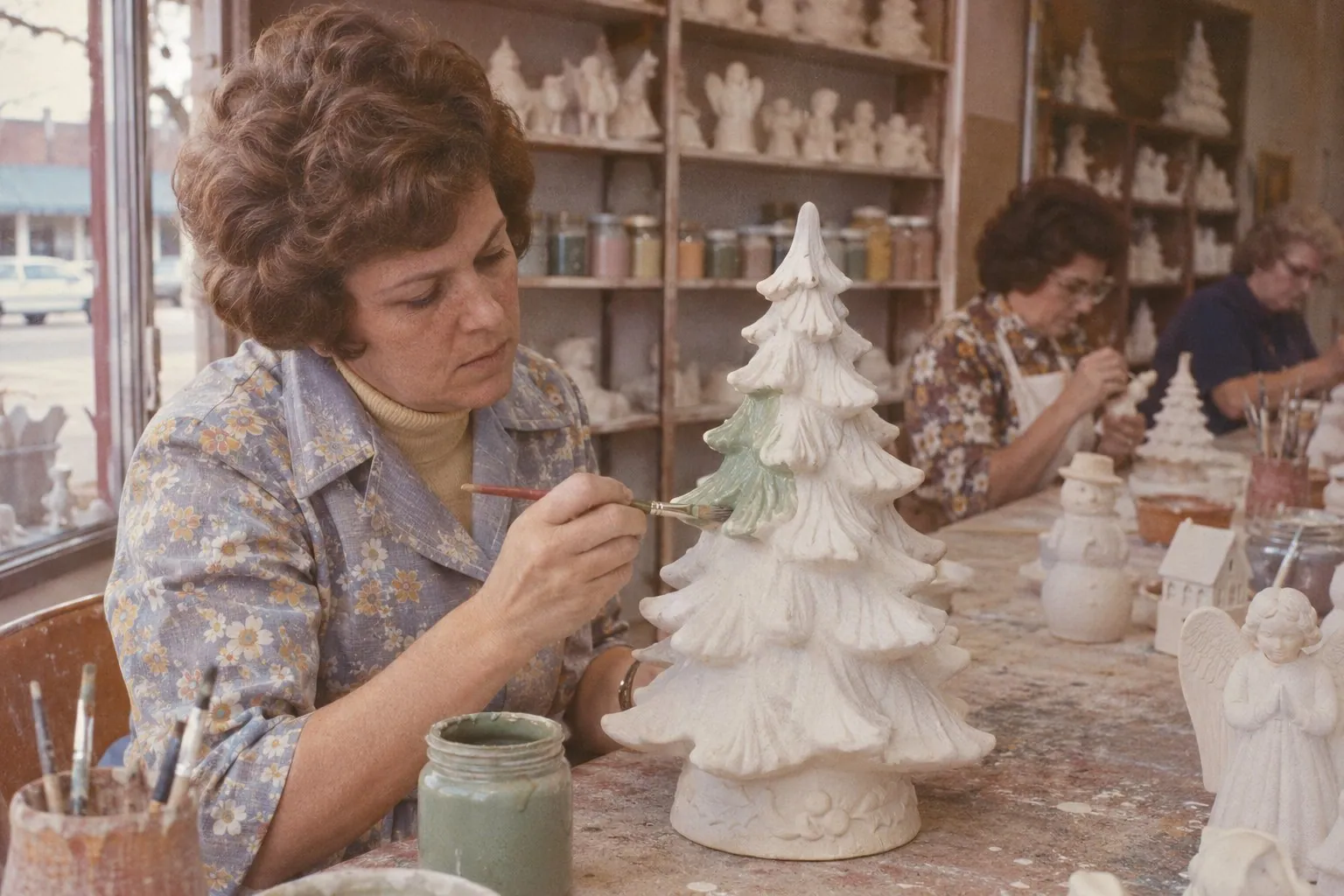
Ceramic Christmas trees started turning up in the 1940s, made by hobbyists one at a time. The big change came when Atlantic Mold Company copyrighted one of the first commercial tree molds, the A-64, in 1958, the American Ceramic Society reported. Through the 1960s and '70s, craft shops held workshops where people poured and painted their own trees from those mass-produced molds.
Vintage lifestyle expert Bob Richter remembered it this way: "Everyone who took a ceramics class and celebrated Christmas made one of these trees," he told TODAY. Atlantic wasn't the only name. Collectors also look for Dogwood Ceramic Supply, Arnel's and Holland Mold, Our State magazine noted.
The lights matter for this job. Older trees had small glass bulbs, and by the late 1970s most switched to one bulb inside the tree that lit up small plastic "bulbs" in bright colors, according to The Weekly View. If your tree has plastic pegs, which most do, you can buy matching ones by the bag.
Read more: Vintage Ceramic Christmas Trees: Mom's Light-Up Tree
Where to find replacement bulbs for a vintage ceramic Christmas tree
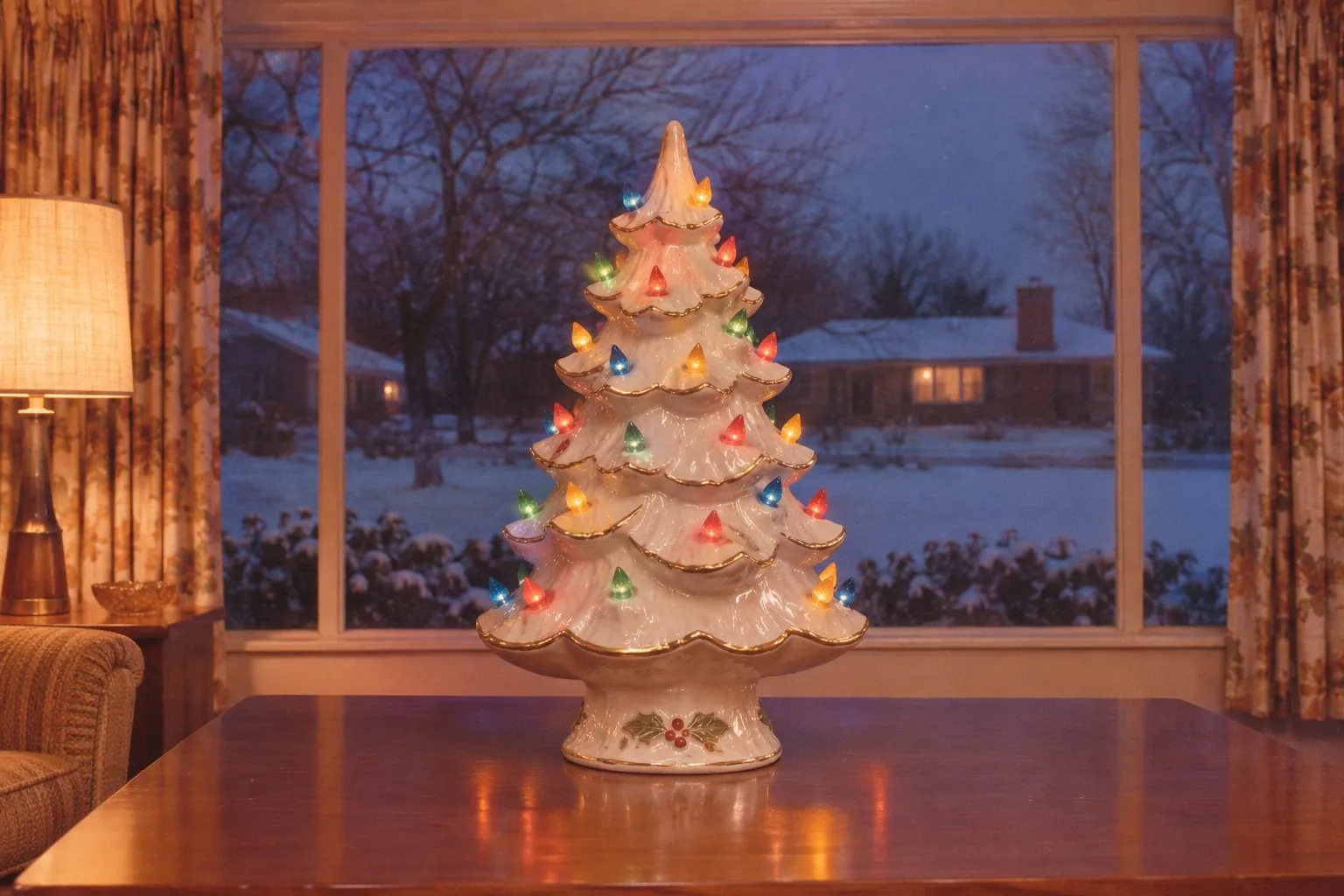
Today's vintage ceramic Christmas tree bulbs come in the same few styles you remember:
- Twist bulbs: the classic little spiral or "flame" peg, sold in solid colors or mixed bags
- Bird bulbs: small plastic doves. A 1970s Atlantic tree covered in colored doves is pictured in WorthPoint's guide to ceramic trees
- Star toppers: the clear or yellow star that plugs into the top hole
- Round or globe pegs: on some trees and newer kits
The pegs come in small, medium and large stem sizes, and that's where most people get tripped up. Pull out one good peg and take it to the store, or measure the stem before you order online. Most standard tabletop trees take medium pegs. Small pegs are for little trees about 8 inches tall or less.
You'll find them at ceramic hobby shops that are still open, at craft chains around the holidays, and by the hundred on Amazon and Etsy. The Vermont Country Store sells bird bulbs made for ceramic trees, too. A mixed bag of a hundred or more costs less than a holiday dinner out, so buy extra. Those little pegs end up under the couch every year.
Putting the new bulbs in, step by step
This is a kitchen-table job. Lay down a towel so the tree can't slide, and keep a small bowl handy for the pegs.
- Unplug the tree and lift it off its base. Most trees come in two pieces: the cone-shaped top and a hollow base that holds the light.
- Clear out the old pieces. Broken stems often stay stuck in the holes. Push them through from the outside with a toothpick or the eraser end of a pencil, and shake the pieces out of the hollow tree.
- Count the empty holes. Then sort your new pegs by color so you can mix them evenly, the way the old ones looked.
- Push each peg in from the outside. It should go in with gentle pressure and hold on its own. Don't force it. Ceramic chips easily, and a cracked tip shows.
- Glue only the loose ones. If a peg falls out, use a dot of tacky craft glue or clear silicone. Stay away from super glue, which is hard to undo and can mar the glaze.
- Put the star on last. It sits in the top hole the same way.
Want to mix it up? You can swap a few twist bulbs for birds, or do a whole tree in doves. Your tree, your call.
When the light kit is dead too
If the tree stays dark after you plug it in, check the bulb first. If a new bulb doesn't help, or the cord is cracked, brittle or heat-stained near the socket, retire it. An old cord sitting under paper-dry ceramic and flocking isn't worth the risk.
Replacement vintage ceramic tree lights come as complete kits. Each has a cord with an on/off switch, a socket on a clip or bracket, and a bulb. Look for a cord marked UL listed, and get the kit sized for your tree, since small trees and big ones take different sockets. Many kits now come with an LED bulb, which stays cool to the touch and can stay on all evening without baking the inside of the tree.
Installing one takes about five minutes:
- Thread the plug end out through the hole or notch in the back of the base
- Clip or screw the socket to the base so the bulb stands straight up in the middle
- Put the bulb in, set the tree back on top, and switch it on
If your base has no cord hole, battery-powered LED kits are sold for ceramic trees too, mostly by Etsy sellers. They're a little dimmer, but you can set the tree anywhere, no outlet needed. Whatever you use, turn the tree off when you go to bed, just like Dad always said about the big tree.
Should you keep the old parts?
Hang on to anything original you take off, even a broken cord or faded pegs, in a labeled sandwich bag. Collectors care about original condition, and some trees bring real money. A 1974 Atlantic Mold tree with a music box base sold for $650 in 2021, WorthPoint reported. Richter told TODAY in 2019 that he'd sold several vintage trees the year before for $100 to $200 each.
Don't count on the date under the base, though. It usually marks when the mold was copyrighted, not when your tree was poured, and Atlantic sold its molds to other companies when it closed in 1999, 10News explained. Jack Gorham, who manages Collector's Antique Mall in Asheboro, N.C., told Our State that a tree's real value is in the eye of the person who owns it. With your mother's handprint in the glaze, that's probably you.
Frequently asked questions
What size bulbs does a vintage 1970s ceramic Christmas tree take?
Most standard tabletop trees from the '70s take medium plastic pegs. Small pegs fit little trees about 8 inches tall or less. The surest way to check is to bring an old peg to the store or measure its stem before you order.
Can I put an LED bulb in an old ceramic tree?
Yes, and it's the safer choice. An LED bulb in a new UL-listed kit stays cool inside the hollow tree. Use a kit made for ceramic trees rather than rewiring the old cord.
Do vintage ceramic tree replacement bulbs fit every tree?
Most new pegs fit the common Atlantic-style trees, since many trees were poured from the same molds. Hole sizes can still vary from shop to shop, so buy one bag and test it before you order hundreds.
How can I tell how old my ceramic tree is?
Older trees often have small glass bulbs, while later ones use plastic pegs lit by one bulb inside. The year stamped on the bottom is usually the mold's copyright date, so the tree itself may be newer.
Sources
- Video: History of vintage ceramic Christmas trees, The American Ceramic Society, 2021
- Check your shelves! These ceramic Christmas trees could be worth a lot of money, TODAY, 2019
- A Christmas Comeback, Our State magazine, 2023
- Vintage Ceramic Christmas Trees, The Weekly View, 2017
- Your old ceramic Christmas tree could be worth hundreds of dollars, 10News San Diego, 2023
- Ceramic Christmas Trees: A Trend That's Brighter than Ever, WorthPoint, 2022
Related Stories

Love a trip down memory lane?
Get a fun quiz every morning. Free · One email a day · Unsubscribe anytime