National Studebaker Museum in South Bend: What You'll See
Lincoln's last carriage, the Hawks, the Lark and the Avanti, all in the town that built them. Here's what's on the floor and when to go.
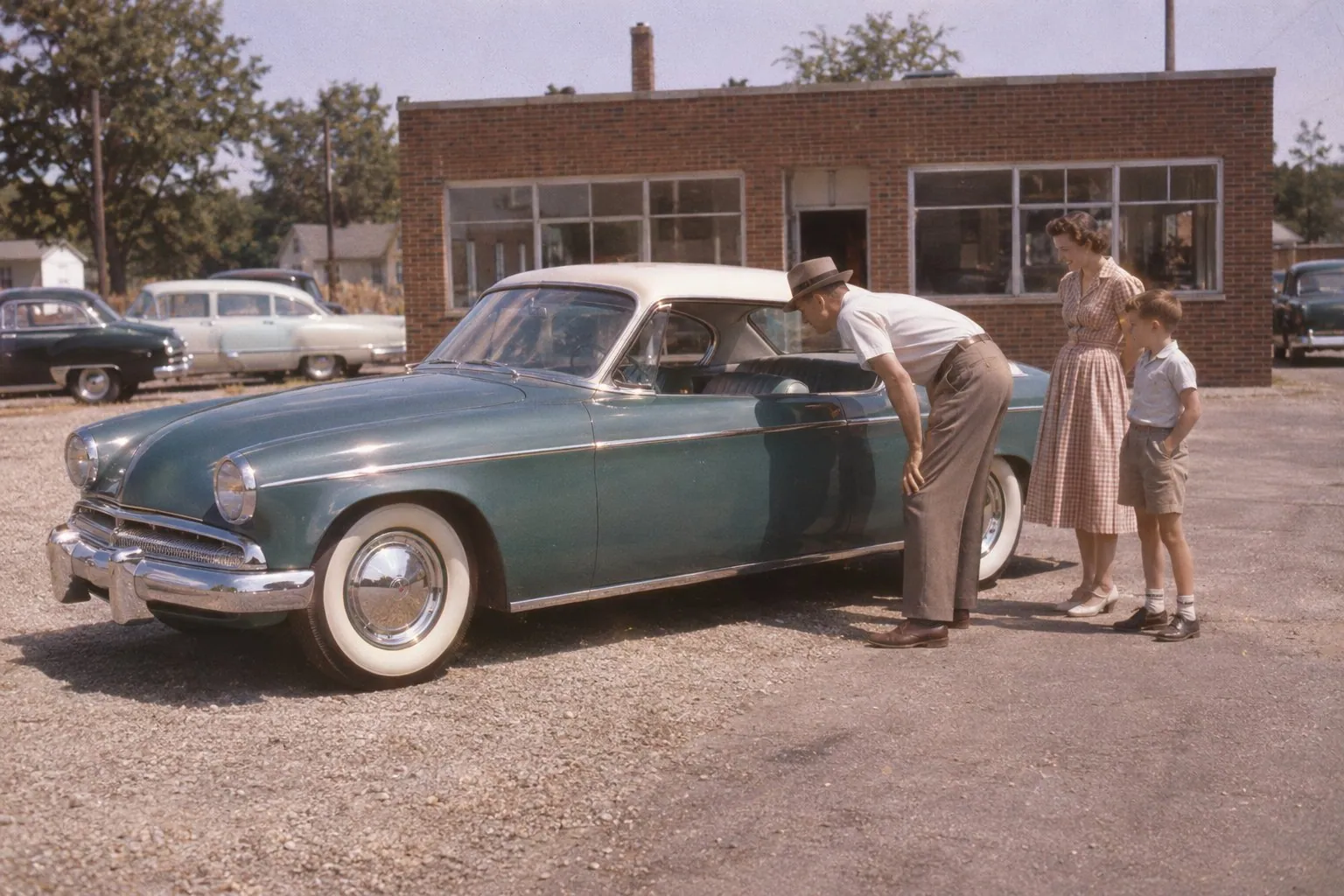
The Studebaker National Museum in South Bend, Indiana, has roughly 120 vehicles, Visit South Bend counts. They run from covered wagons and presidential carriages to Hawks, Larks and the Avanti. If you ever owned a Studebaker, rode in one or just wondered why your neighbor swore by his, it's worth the trip. Lincoln's carriage alone is worth the drive.
Plenty of people search for it as the "national Studebaker museum." Either way, you end up at the same brick-and-glass building on Chapin Street in the city where nearly all of these vehicles were built.
You probably remember Studebaker as the different one on the lot. The Chevy, Ford and Plymouth dealers sold what everybody else drove. The Studebaker man sold the car that made people stop and look, and sometimes laugh. This walk-through takes the floor in order and ties each machine to the years it came from.
Start with the presidents' carriages
Most visitors head straight for the carriages, and that makes sense. The museum's permanent collections page lists the barouche Abraham Lincoln used the night he was shot, President Grant's Brewster landau, President McKinley's Studebaker phaeton and President Benjamin Harrison's Studebaker brougham.
The Lincoln barouche carried the president and Mrs. Lincoln to Ford's Theatre on April 14, 1865, The Washington Times reported. It's so fragile that, according to the same 2014 report, it had only been loaned out twice before the Smithsonian borrowed it from March 15 to May 25, 2015, to mark the 150th anniversary of the assassination.
The museum's executive director, Pat Slebonick, calls it "the world's largest collection of presidential carriages," he told WNDU in February 2026. He added that the National Park Service has named eight vehicles in the collection national treasures. A carriage that belonged to the Marquis de Lafayette is on the floor too, WNDU noted.
All of this goes back to 1966. That year the Studebaker Corporation gave its 33-vehicle collection to the City of South Bend, the museum says, and that included the carriages and the Studebaker family's own Conestoga wagon. It was the company's goodbye gift to its hometown.
Read more: The 1950 Studebaker Bullet Nose: Coming or Going?
From farm wagons to Army trucks
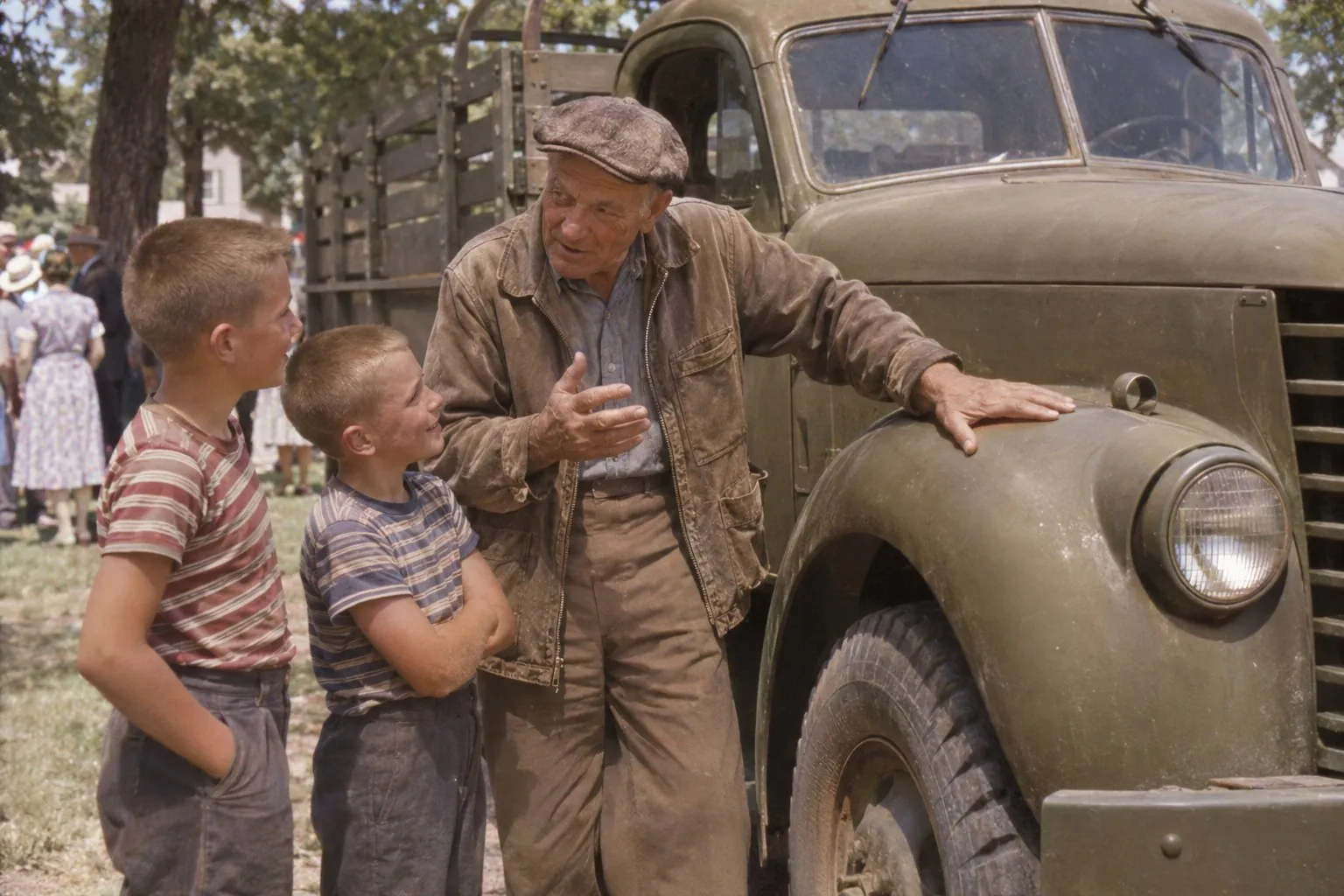
Before Studebaker made a single car, it built wagons, and lots of them. Its military work started in 1857 with supply wagons for the U.S. government during the so-called "Mormon War," according to the museum.
If your dad or an uncle served in World War II, this part of the floor may hit home. Studebaker built the US6 two-and-a-half-ton truck, the six-wheel "deuce-and-a-half" that hauled cargo all over Europe. Many of them went to the Soviet Union under Lend-Lease. The company also built the M29 Weasel, a small tracked carrier made for snow and mud.
That military work kept going through the Vietnam era. In 1964, Studebaker handed its government contracts to Kaiser-Jeep, which later became AM General, the museum's collection notes say.
The postwar cars you remember
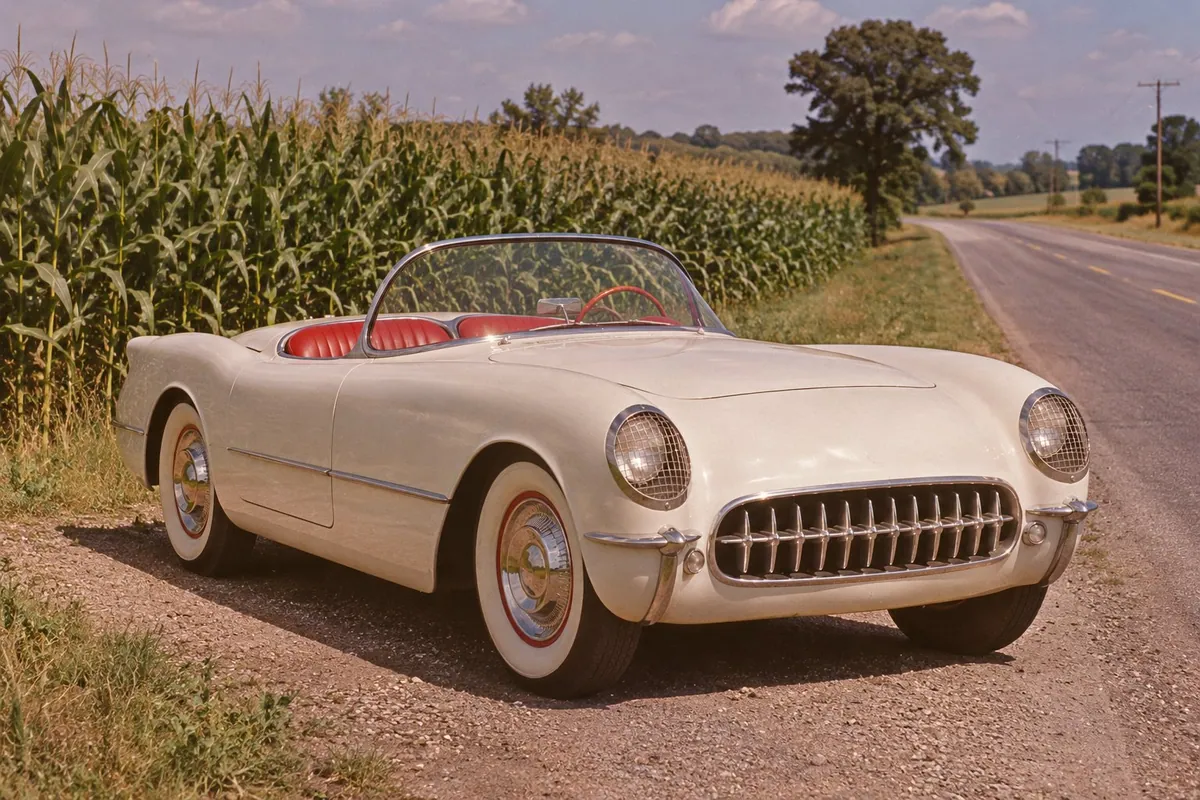
Walk forward a few years and the cars start to look like the ones you grew up around. The 1947 Starlight coupe had a wraparound rear window, and the old joke was that you couldn't tell if it was coming or going. Studebaker had beaten the Big Three to all-new postwar styling, and people noticed.
By the end of the 1940s, South Bend wanted a front end people would point at from across the street. Here's one to test your eye before you see it in person.
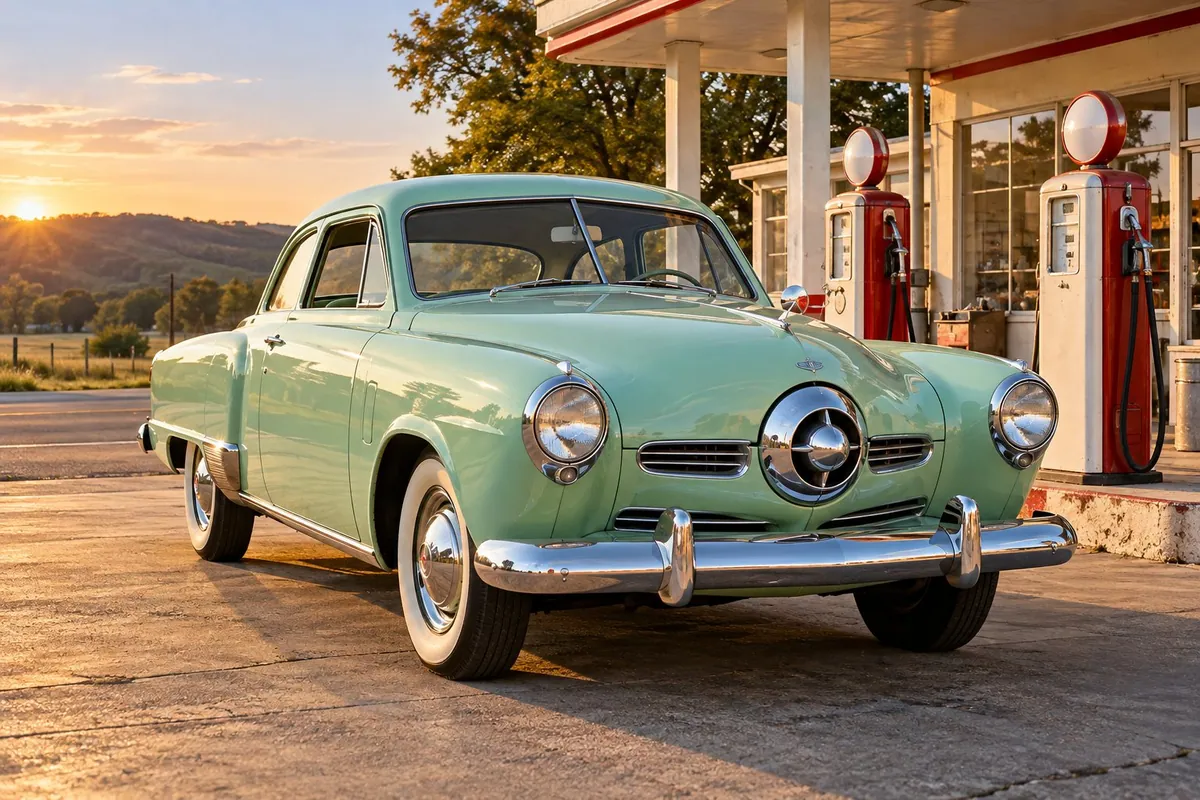
Its "bullet nose" made it look like an airplane. Which 1950 car is this?
That spinner-nose look came on the 1950 and 1951 Champion and Commander. People compared it to the nose of a fighter plane. Kids loved it. Some dealers had a harder time with it.
The 1953 Starliner
The 1953 Starliner and Starlight coupes came out of Raymond Loewy's design studio, with Bob Bourke leading the work. They sat low and clean, with almost no chrome. Next to a 1953 Buick, one looked like it came from Italy. A lot of car people still call it one of the best-looking American cars of the decade.
The Hawks
In 1956 that coupe shape turned into the Hawk line. The top model, the Golden Hawk, used a big Packard V8, since Studebaker and Packard had merged in 1954. The fiberglass fins on the back made it an easy car to spot in a drive-in lot.
The Lark
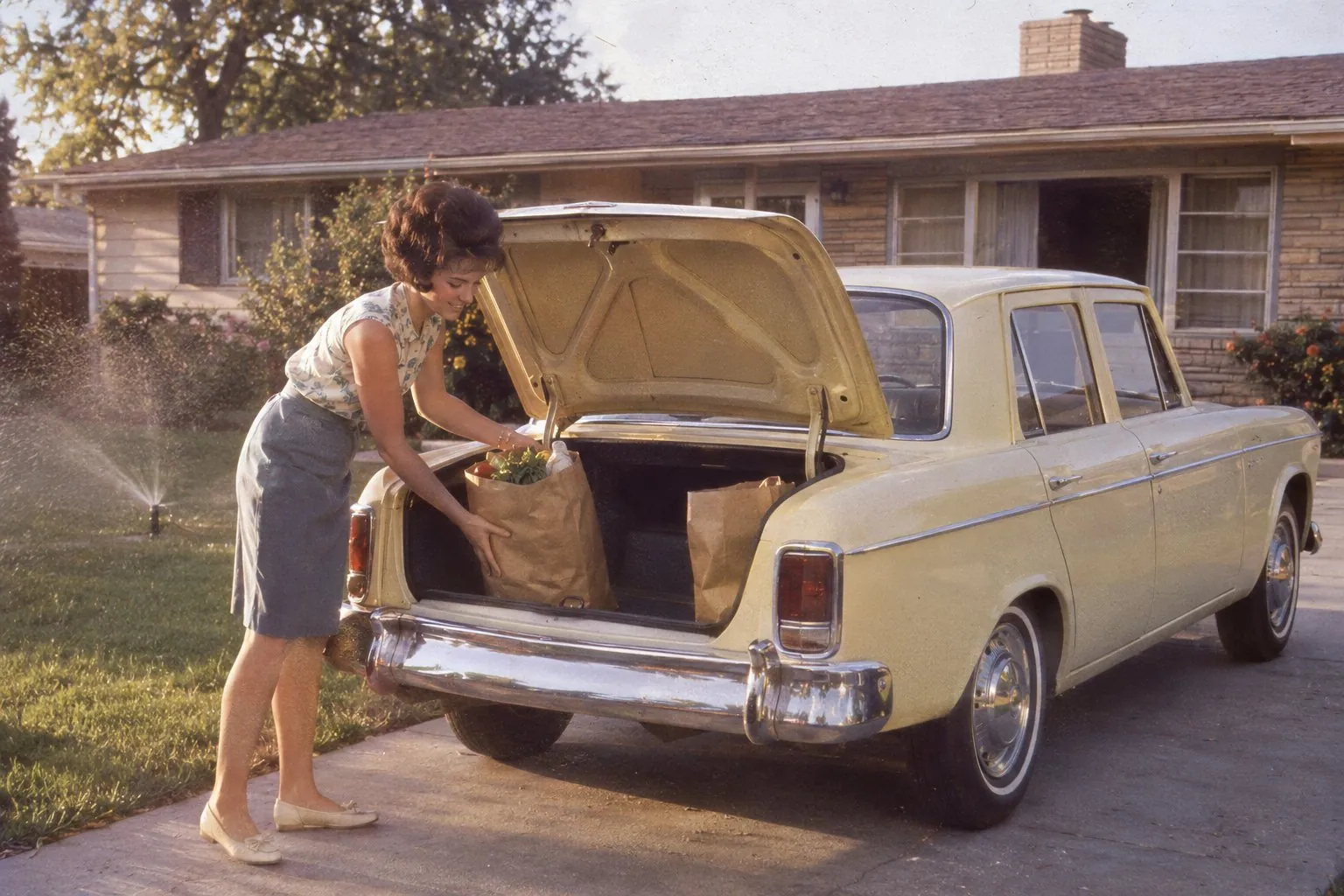
The 1959 Lark was Studebaker's compact. It was short, sensible and easy to park, and it came out just as Americans started wanting a smaller second car. For a year or two it sold well enough to give South Bend real hope.
The Avanti
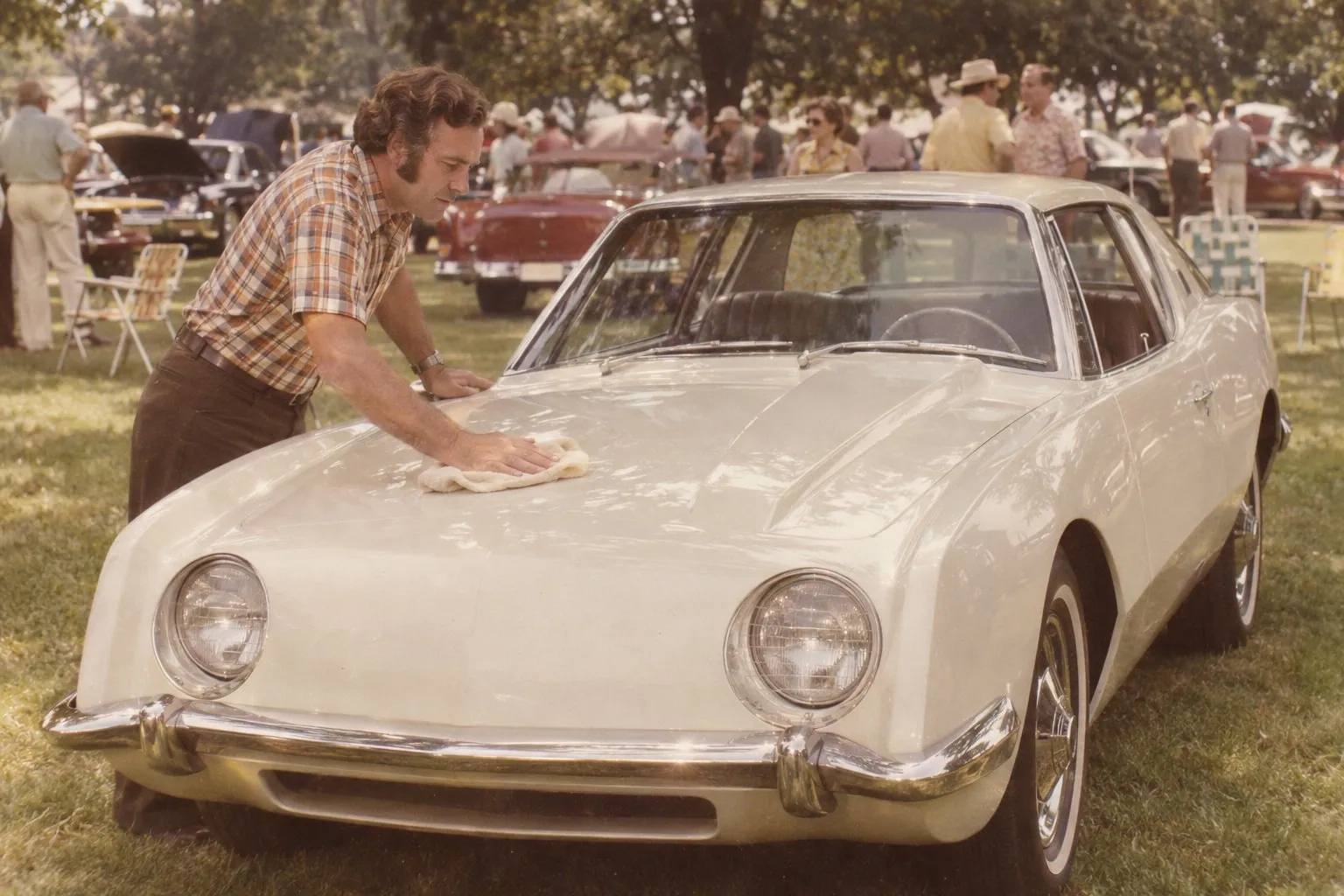
Then came the Avanti, announced in 1962 with a fiberglass body, front disc brakes and no grille. Loewy's team drew it in a hurry for company president Sherwood Egbert. It still doesn't look like anything else from the Kennedy years.
Why the line stopped in 1963
In December 1963, Studebaker stopped building cars in South Bend. Production moved to its plant in Hamilton, Ontario, which built the last Studebakers in March 1966. For South Bend it was like a death in the family. Thousands of people lost their jobs, and many older workers lost most of the pensions they had counted on.
Those lost pensions became a national story. They're part of why Congress passed the 1974 pension law known as ERISA. The museum doesn't hide this part. Seeing the cars and the shutdown together explains why South Bend held on to this collection so tightly.
Car shows, club meets and special days
If you're hoping to catch a Studebaker car show, plan ahead. The Studebaker Drivers Club, founded in 1962, holds a big meet every year in a different city, and its local chapters run smaller shows all summer. When a Studebaker show comes anywhere near northern Indiana, the museum is an easy stop for club members, so check the events calendar on studebakermuseum.org before you book a room.
The museum also has special days. On Presidents Day 2026, admission was free, with in-depth carriage tours at 11 a.m. and 1 p.m., WNDU reported. There were also free tours of the first floor of the Oliver Mansion next door.
Tips for your visit
The Studebaker museum sits on the same campus as The History Museum and the Oliver family's mansion, Copshaholm. You can easily make a full day of it. Wear good walking shoes, because there's more to see than you'd guess from the parking lot.
Hours and ticket prices change, so check studebakermuseum.org before you go. If the carriages are your main reason for going, ask at the front desk whether a guided tour is running that day.
Frequently asked questions
Is the Studebaker National Museum worth visiting?
Yes, especially if you remember Studebakers on the road. Visit South Bend counts roughly 120 vehicles there, and the museum has the carriage Lincoln rode to Ford's Theatre in 1865. Most people need at least two or three hours.
Where is the Studebaker car museum?
It's at 201 S. Chapin St. in South Bend, Indiana, the city where Studebaker started in 1852. It shares a campus with The History Museum and the Oliver Mansion.
Does the Studebaker museum have a car show?
Studebaker shows happen all summer, mostly run by Studebaker Drivers Club chapters and the club's yearly meet, which moves from city to city. The museum lists its own special events and gatherings on studebakermuseum.org, so check there for this year's dates.
Which presidents' carriages are at the Studebaker museum?
The museum lists carriages used by Abraham Lincoln, Ulysses S. Grant, Benjamin Harrison and William McKinley. WNDU reported that a carriage from the Marquis de Lafayette is shown with them.
Sources
- Permanent Collections, Studebaker National Museum, 2024
- Lincoln carriage to be displayed at Smithsonian, The Washington Times (Associated Press), 2014
- Studebaker Museum offers free admission, presidential carriage tours for Presidents Day, WNDU-TV, 2026
- Studebaker National Museum, Visit South Bend, 2020
Related Stories
Love a trip down memory lane?
Get a fun quiz every morning. Free · One email a day · Unsubscribe anytime