1950s Ladies Suits: What Working Women Wore
Wool suits, shirtwaist dresses, seamed nylons and no pants allowed: the dress codes secretaries, teachers and shop girls lived by.
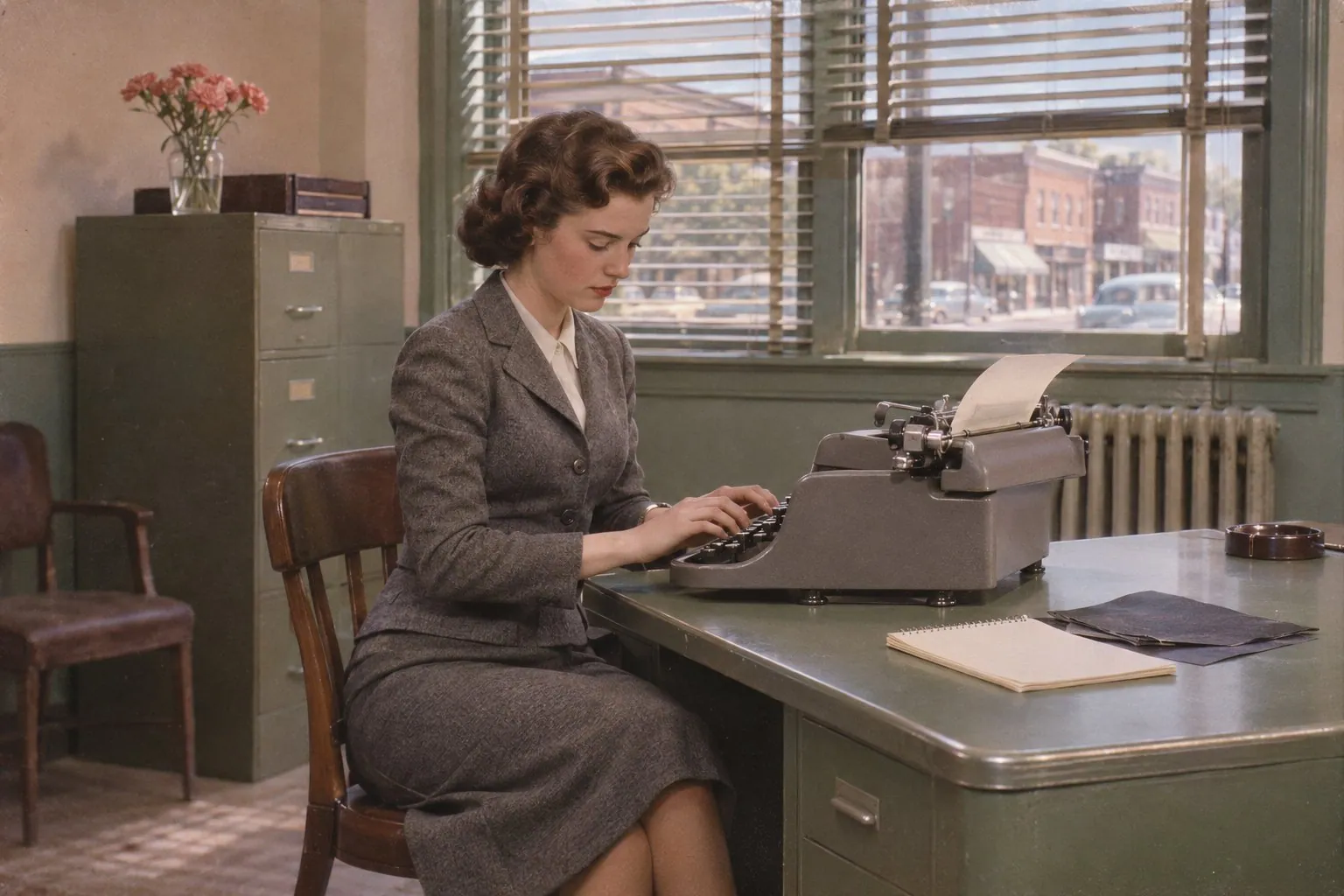
In the 1950s, working women wore skirts, not pants. That meant a fitted wool or tweed suit, a shirtwaist dress, or a pencil skirt with a blouse and cardigan, always with nylons and heels. Secretaries dressed the most formally, teachers kept to modest dresses, and dime-store clerks wore plain everyday dresses, but the good 1950s ladies suits in their closets all had the same neat, nipped-waist shape.
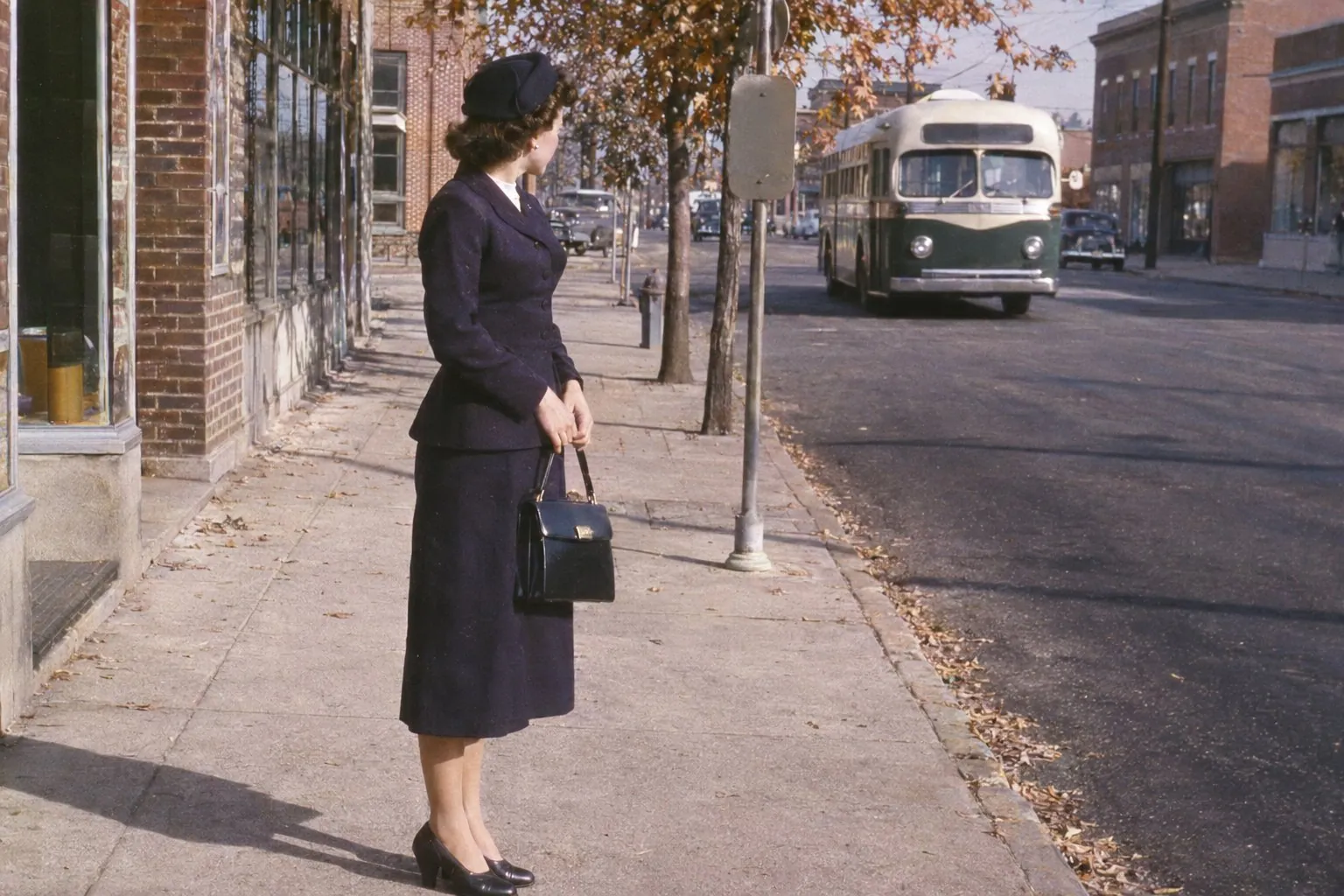
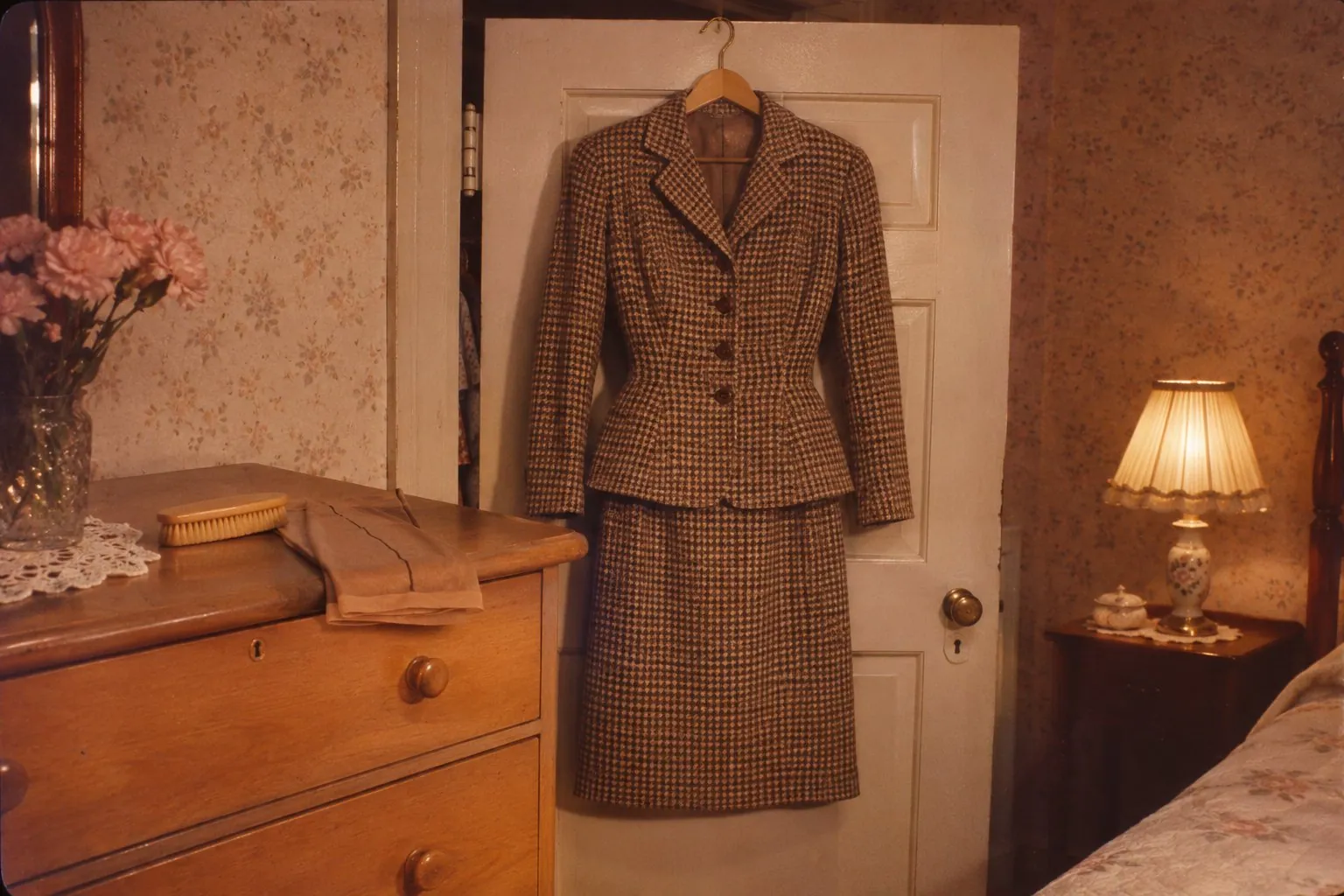
If your mother, aunt or big sister went out to work, you probably remember the routine. The night before, the suit got brushed and hung on the closet door. In the morning she checked her stocking seams in the hall mirror, put on a dab of lipstick and walked to the bus.
Nobody at home called it a dress code. It was just how a woman dressed when she was being paid.
Where 1950s Ladies Suits Got That Shape
The look started in Paris. Christian Dior showed his first collection on February 12, 1947, and its star was the "Bar" suit: an ivory shantung jacket with five buttons over a pleated black wool skirt. It was made by a young workshop head named Pierre Cardin, according to Galerie Dior. Harper's Bazaar editor Carmel Snow told Dior, "your dresses have such a New Look!" and the name stuck.
A 1947 Bar jacket sits in the collection of The Metropolitan Museum of Art, which received it as a gift in 1958. Even the famous photo of the suit has a twist. The Fashion History Museum points out that the picture in most history books actually shows a 1955 remake, probably photographed in spring 1957.
American stores toned the look down for everyday wear. You got a fitted jacket that hugged the waist, shoulder pads a little softer than the wartime kind, and a slim or gently flared skirt that fell below the knee. Gray flannel, navy, brown tweed and houndstooth were the safe choices.
For most working women, that good suit did double duty. It went to the office or the classroom all week, and on Sunday it went to church with a hat, a handbag on the arm and polished pumps.
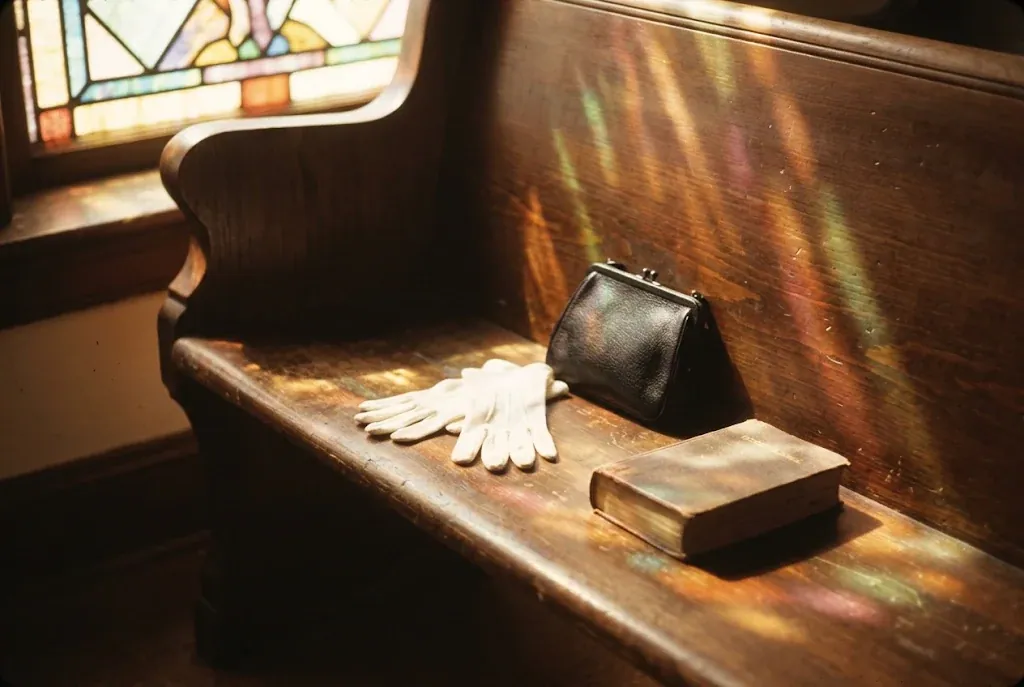
What did ladies wear on their hands to church in the 1950s?
Read more: 1950 Style Pants: Capris, Pedal Pushers and Slacks
What Secretaries Wore to the Office
In many offices the secretary was the best-dressed woman in the room, and she was trained to be. In 1951, students at the Wright MacMahon Secretarial School in Beverly Hills learned to show up for a job interview in a conservative suit with a hat and gloves, Glamour Daze reports. Teachers there warned against bright red or fuchsia, plaid skirts, low-cut dresses and too much perfume. Lipstick went on in the powder room, never at the desk.
Once the jacket came off, everyday 50s business attire was a pencil skirt, a silk blouse, a beaded cardigan, pearls, back-seam stockings and kitten heels. A small hat and gloves went on for the trip to and from work, as Vintage Dancer describes it.
Television helped set the standard too. Designer Kay Windsor made a clothing line called Private Secretary to go with the Ann Sothern show of the same name, Glam notes.
You can probably still hear that office: the clack and bell of a Royal or Underwood manual typewriter, the snap of carbon paper and the hum of the water cooler. A good suit had to look crisp at 9 a.m. and still look crisp after a full day at the steno pad.
What Teachers Wore in the Classroom
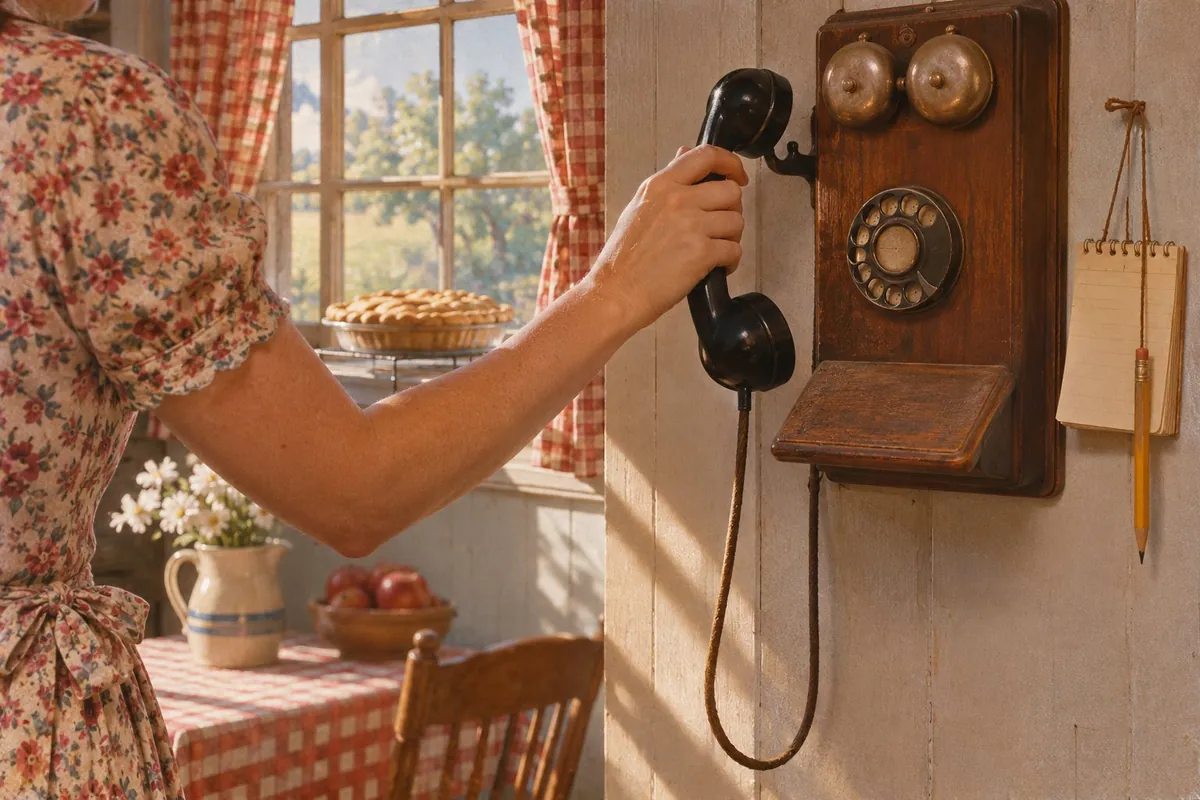
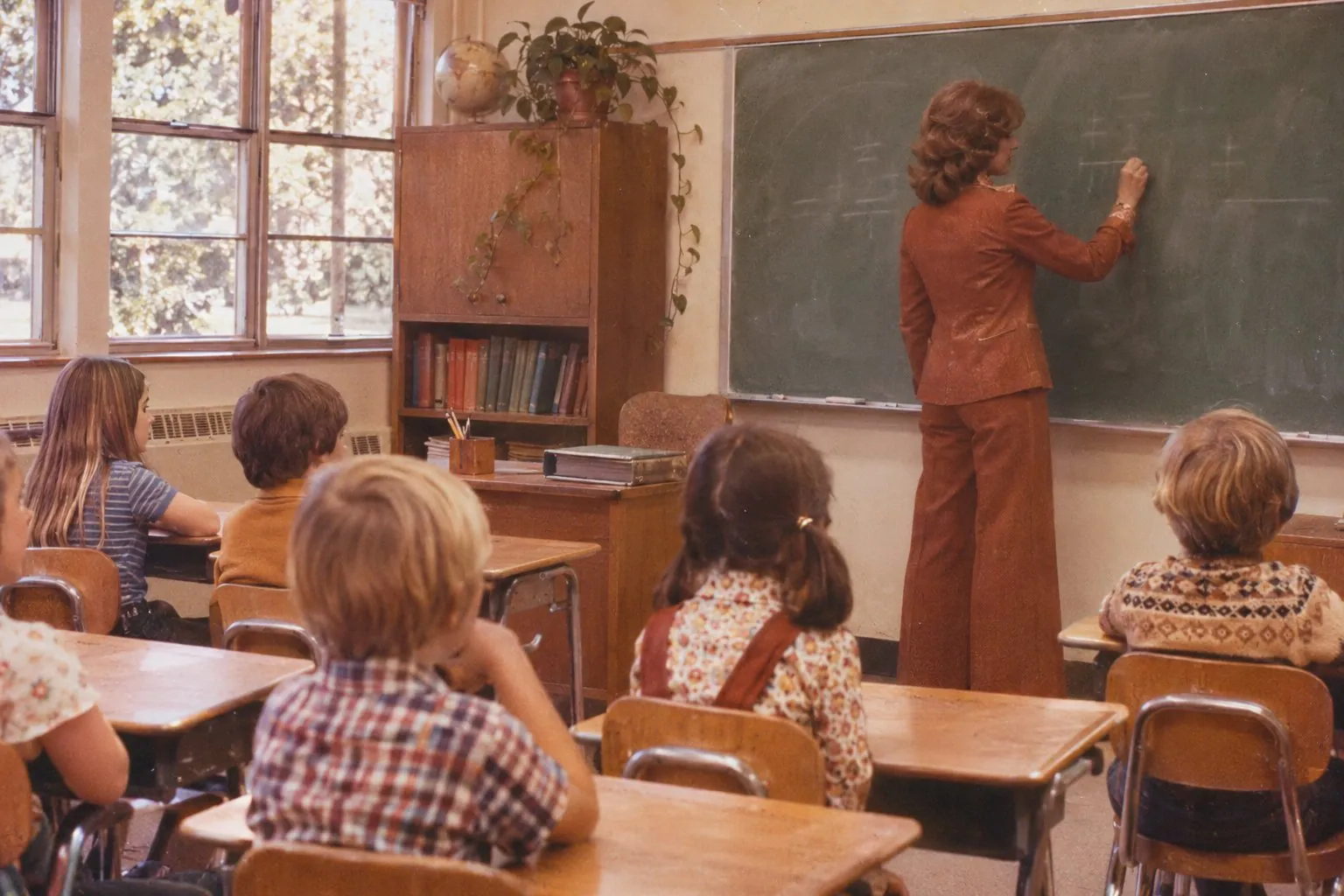
1950s teacher fashion was about looking respectable in front of a room full of kids and the school board. A typical teacher wore a shirtwaist dress or a skirt with a sweater set, nylons and low, sturdy heels, since she was on her feet all day. Pants generally weren't an option.
The Texas chapter of Delta Kappa Gamma, an honor society for women educators, put together a history of teachers' dress. It says parents and school boards still preferred teachers in dresses or skirts well into the 1960s. When the miniskirt arrived, teachers had to decide how far to follow fashion.
You may remember your third-grade teacher in a navy dress with chalk dust down the front, a cardigan over her shoulders and a hankie tucked in her sleeve. That sums up 1950s teacher clothes: plain, washable and never flashy.
Shop Girls and Working-Class Clothes
Behind the counters at Woolworth, Kresge and the local Ben Franklin, the women who rang you up wore neat cotton dresses, not suits. Some stores had them wear a smock or apron over the dress. After eight hours on a wooden floor that smelled of floor wax and roasted peanuts, comfortable shoes mattered more than fashion.
The shirtwaist dress was the workhorse of 1950s working-class fashion. Office workers liked them too, with short or long sleeves and straight or A-line skirts, because they flattered most figures and stayed comfortable through a long day, according to Blue 17 Vintage. The same source says women in factories wore overalls over blouses in summer and over sweaters in winter.
Plenty of these dresses were sewn at home on a Singer from a Simplicity or Butterick pattern. A store-bought wool suit was the big purchase, and it was expected to last for years.
What a Good Wool Suit Cost Then and Now
Suit prices varied a lot by store, fabric and town, from mail-order catalogs to downtown department stores. No single price fit everyone, so here is what some typical 1955 prices come to in today's money. The math uses the U.S. Bureau of Labor Statistics CPI multiplier for 1955 (×11.7, in 2024 dollars). These are round examples, not prices from a specific ad.
| 1955 price | In 2024 dollars |
|---|---|
| $20 | about $234 |
| $35 | about $410 |
| $50 | about $585 |
Put another way, buying a good wool suit was more like buying a winter coat than a dress. That's why women brushed and aired their suits, and had them taken in or let out instead of replacing them.
When Pantsuits Finally Came to Work
Pantsuits didn't reach most offices until the 1970s. The White House changed its rule in 1973 to let female staff wear pants, HR Brew reported, citing The New York Times. President Nixon reportedly scolded UPI reporter Helen Thomas for wearing slacks, saying he preferred dresses. HR Brew adds that, according to PBS, Congress didn't let women wear pants to work until the mid-1990s.
Teachers waited about as long. In the mid-1970s, female teachers began lobbying their districts to allow pantsuits with a matching blouse, the Delta Kappa Gamma history says. Later came pants and tops, but not jeans.
Even then, there were strings attached. Diane Johnston, a speaker for Humanities Washington, recalled women from Seattle who worked in the 1970s and told her a pantsuit "had to be designed as such." A supervisor would check the tag in the waistband to make sure the jacket and pants had been sold together as a set.
Frequently asked questions
What did women wear to work in the 1950s?
Mostly skirts: a fitted wool or tweed suit, a shirtwaist dress, or a pencil skirt with a blouse and cardigan, worn with nylons and heels. Secretaries dressed the most formally and often added a small hat and gloves for the commute.
Did women wear pant suits in the 1950s?
Not to most jobs. Pants were for home and weekends. Pantsuits reached offices in the 1970s, and the White House allowed them for female staff in 1973, HR Brew reports.
What did 1950s teachers wear?
Modest dresses or skirts with sweaters, nylons and low heels. Female teachers began lobbying to wear pantsuits in the mid-1970s, according to a Delta Kappa Gamma history.
How much did a 1950s women's suit cost in today's money?
It depended on the store and the fabric. Using the BLS multiplier for 1955, a $35 suit equals about $410 in 2024 dollars, and a $50 suit about $585.
Sources
- The Bar suit, Haute Couture Spring-Summer 1947, Galerie Dior, n.d.
- Remember When… Teachers' Dress Through the Years, Delta Kappa Gamma Society, Texas, n.d.
- HR 101: A brief history of office dress codes for women, HR Brew, 2023
- Hidden Layers, Open Roads: Women's Histories Revealed, Humanities Washington, n.d.
- How to be a Model Secretary, 1950s Style, Glamour Daze, 2014
- Consumer Price Index inflation multipliers (2024 dollars), U.S. Bureau of Labor Statistics
Related Stories
Love a trip down memory lane?
Get a fun quiz every morning. Free · One email a day · Unsubscribe anytime