Vintage Phone Books: History, Value and Where to Find Them
From a 50-name sheet in 1878 to the doorstopper on your porch: the story of the phone book, and what an old one is worth now.
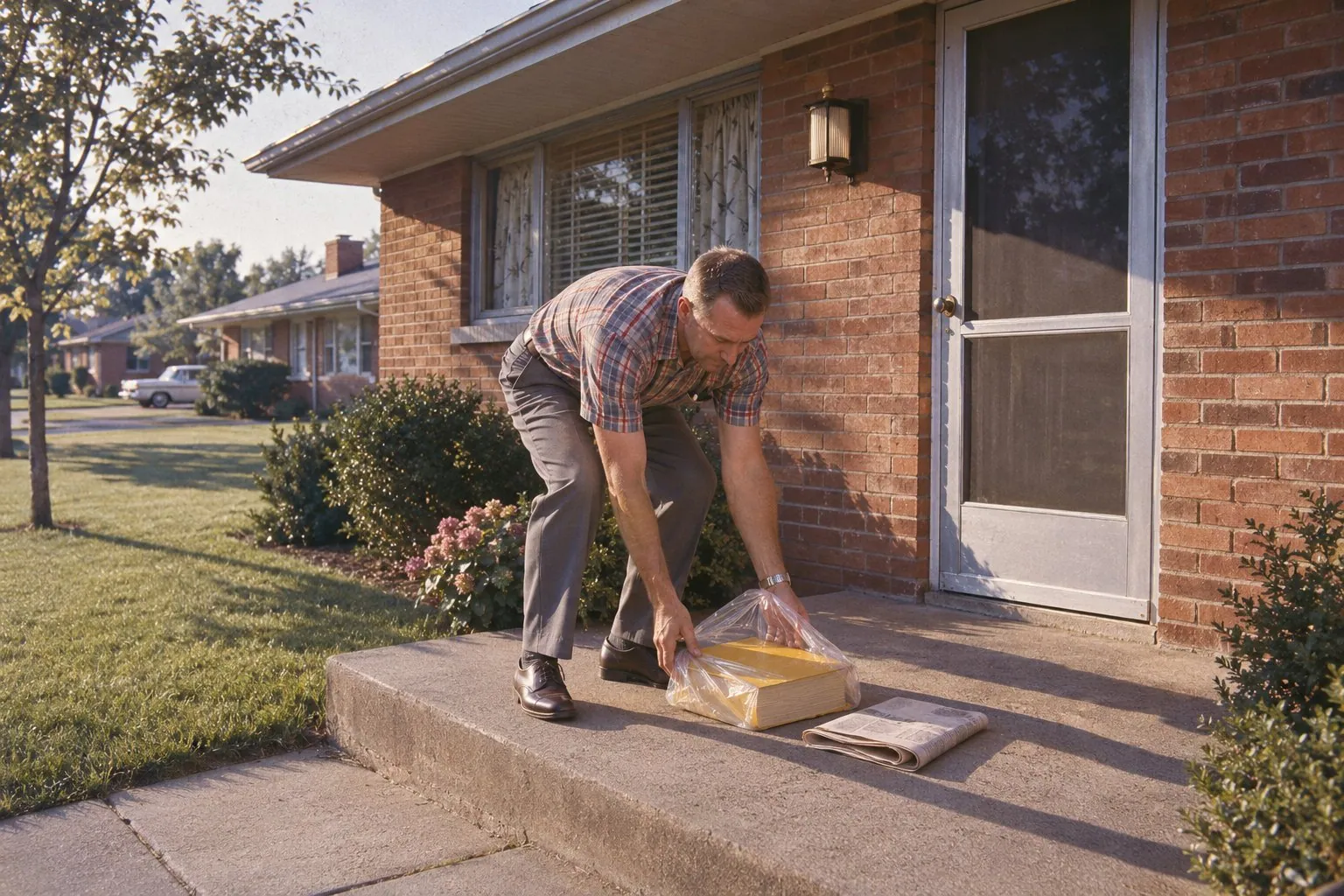
Old phone books were thick, free books the phone company left on your doorstep about once a year. They had white pages for people, yellow pages for businesses, and paper so thin you could almost see through it. A vintage phone book from the '50s, '60s or '70s is worth something today, but usually a modest amount. Most buyers are hunting for their own hometown. Only the very earliest directories have brought big auction money.
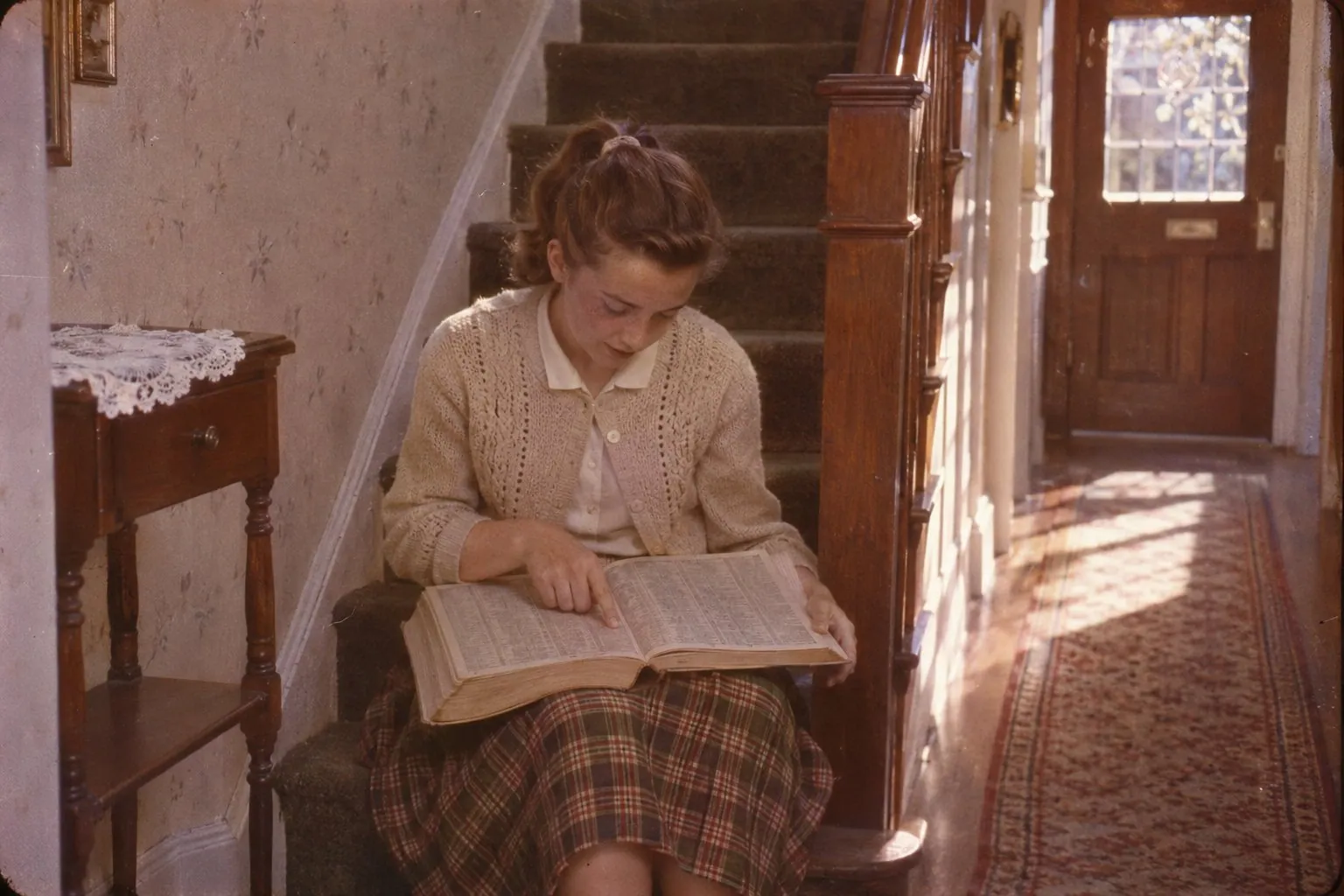
You probably remember where yours lived. Maybe it sat in a drawer under the hall telephone table, or on top of the refrigerator, or in a stack by the kitchen wall phone. Its cover showed your town's name and the year, and the pages felt soft and smelled like newsprint.
Here's how that book came to be, what was inside it, and where the old ones turned up.
From 50 names to a doorstopper
The phone book started in New Haven. On January 28, 1878, the District Telephone Company of New Haven opened the world's first commercial telephone exchange in the Boardman Building, according to Connecticut History. The company was started by George Coy, a Civil War veteran who managed a telegraph office.
About three weeks later, on February 21, 1878, Coy's company printed a list of its 50 subscribers on a single page. The University of Connecticut Libraries keeps one of the two known copies. Its archivists call the sheet "a point of pride for the state of Connecticut." The list had no numbers on it, History of Information notes, because you told an operator who you wanted and she connected you.
By November 1878 the list had grown into a real book. It came with instructions, too. Callers were told to open with "Hulloa" and to finish by saying "That is all," History of Information reports. Over the next 80 years those few pages grew into the brick that landed on your porch, sometimes in more than one volume for a big city.
Read more: The Classic Recipe for Orange Fluff, Straight From the '70s
What was inside an old fashioned phone book
A big-city directory from the '50s or '60s was much more than names. The front pages listed emergency numbers, instructions for calling the operator, and long-distance information. They also printed maps of the local calling area so you could tell which towns were a free call and which ones would cost you.
Those long-distance pages mattered in a house with teenagers. A long call to a cousin two states away could show up on the monthly bill and start an argument at dinner.
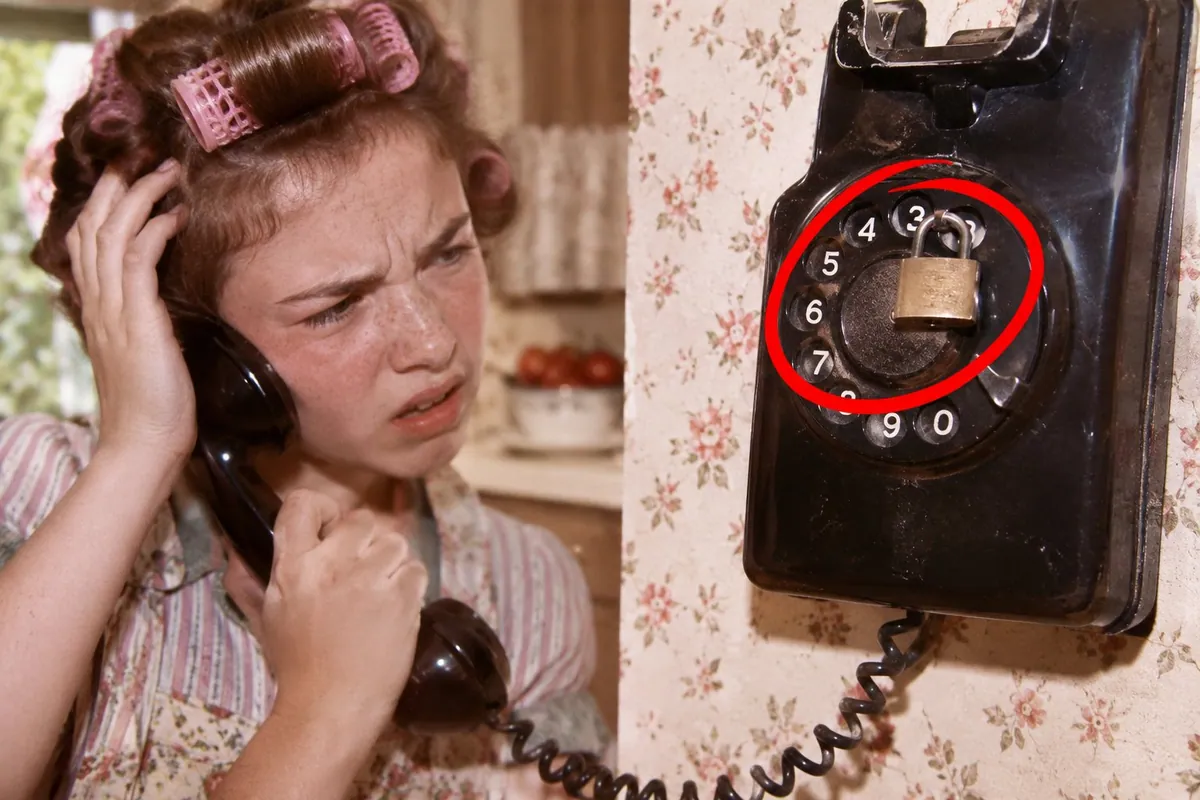
Why did some dads put a small lock in the dial of the rotary phone?
Exchange names and party lines
You probably remember the old exchange names, where the first two letters of a word stood for the first two digits. A number might be printed as KLondike 5-1234 or ELmwood 3-0987, with the capital letters showing which keys to use. When the Bell System switched to all-number calling in the '60s, many people were sorry to see those names go.
Rural books had their own oddities. On a party line, several households shared one line. In many small-town books, a letter or ring code after the number showed which household on the line you were calling. Anybody else on the line could quietly pick up and listen, and plenty of people did.
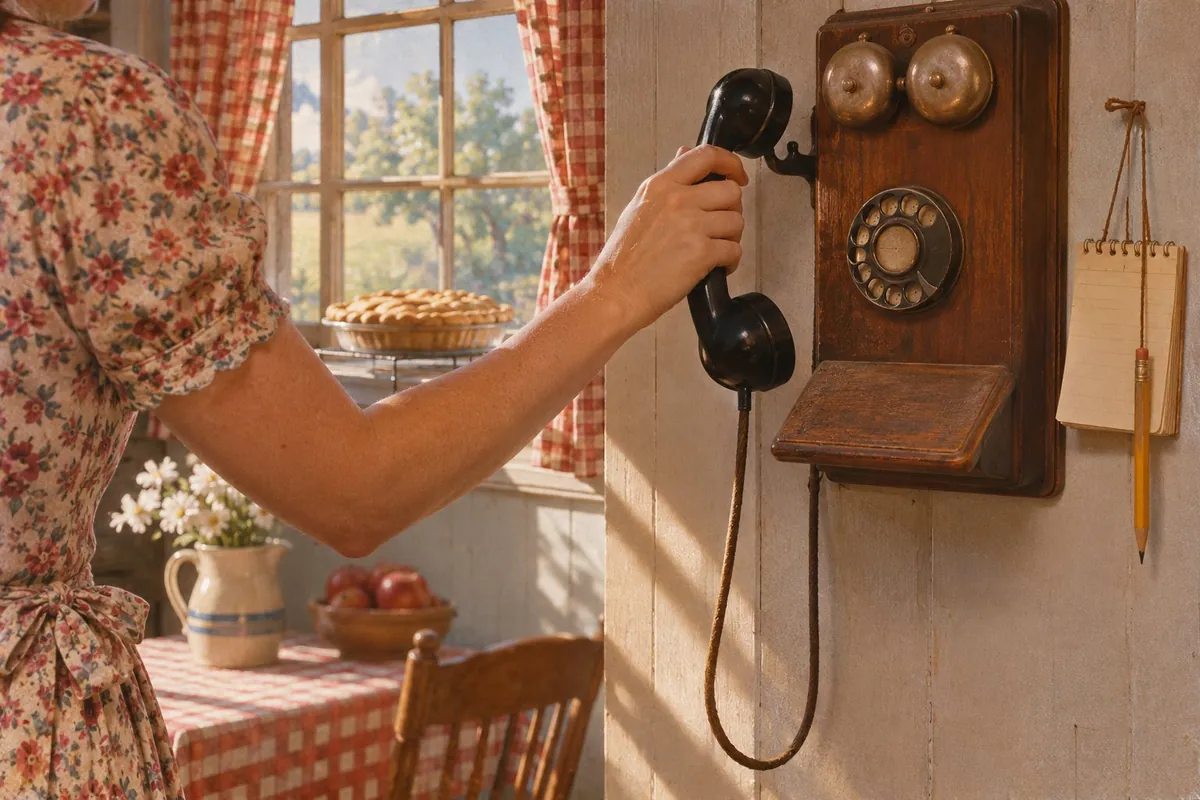
Life with the phone book at home
The phone book was where a lot of first courage came from. You looked up the last name of a girl from homeroom, ran your finger down every listing with that name until the street address matched, and then stared at the phone for twenty minutes.
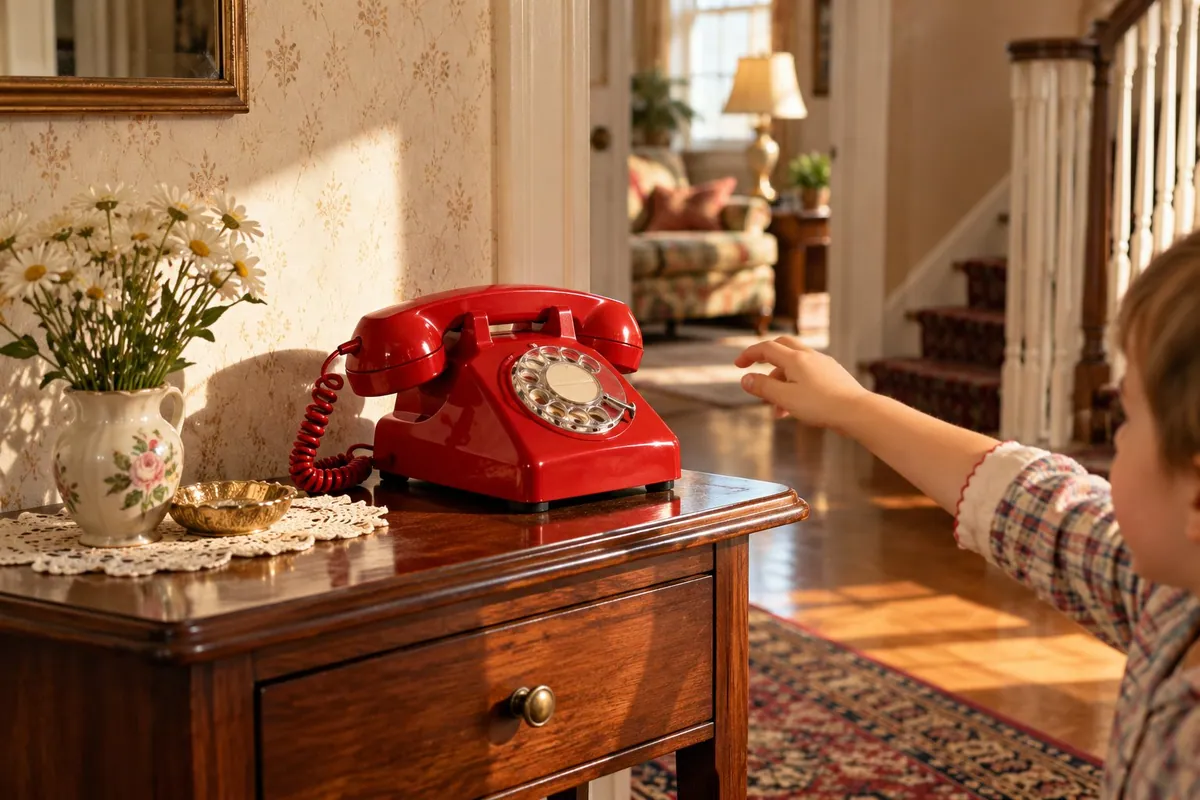
What did you do with the finger wheel on an old telephone?
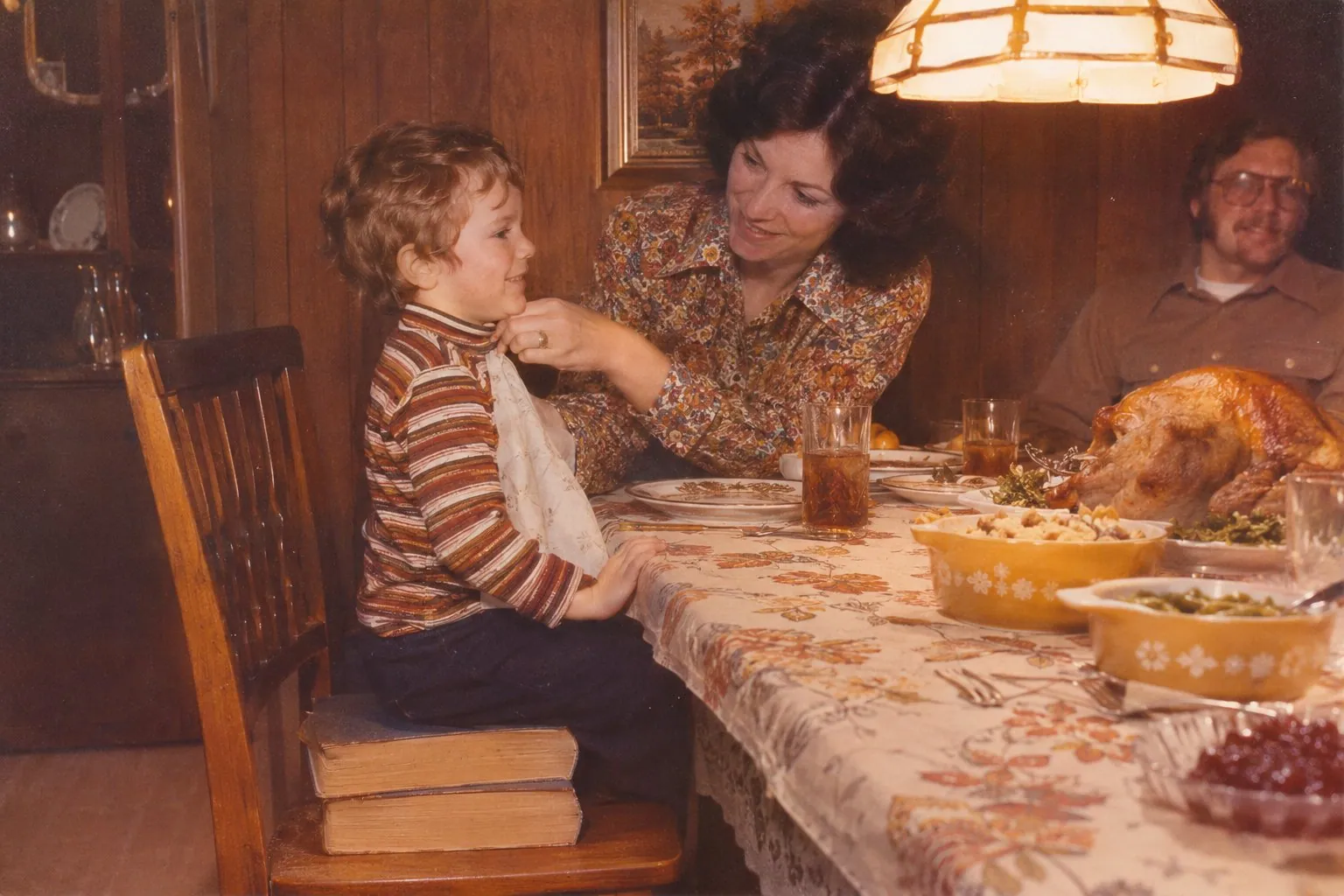
It also had jobs that had nothing to do with phones. At Thanksgiving, a small child got set on a phone book or two at the dinner table so he could reach his plate. People pressed flowers between the pages, and someone's uncle always claimed he could tear one in half.
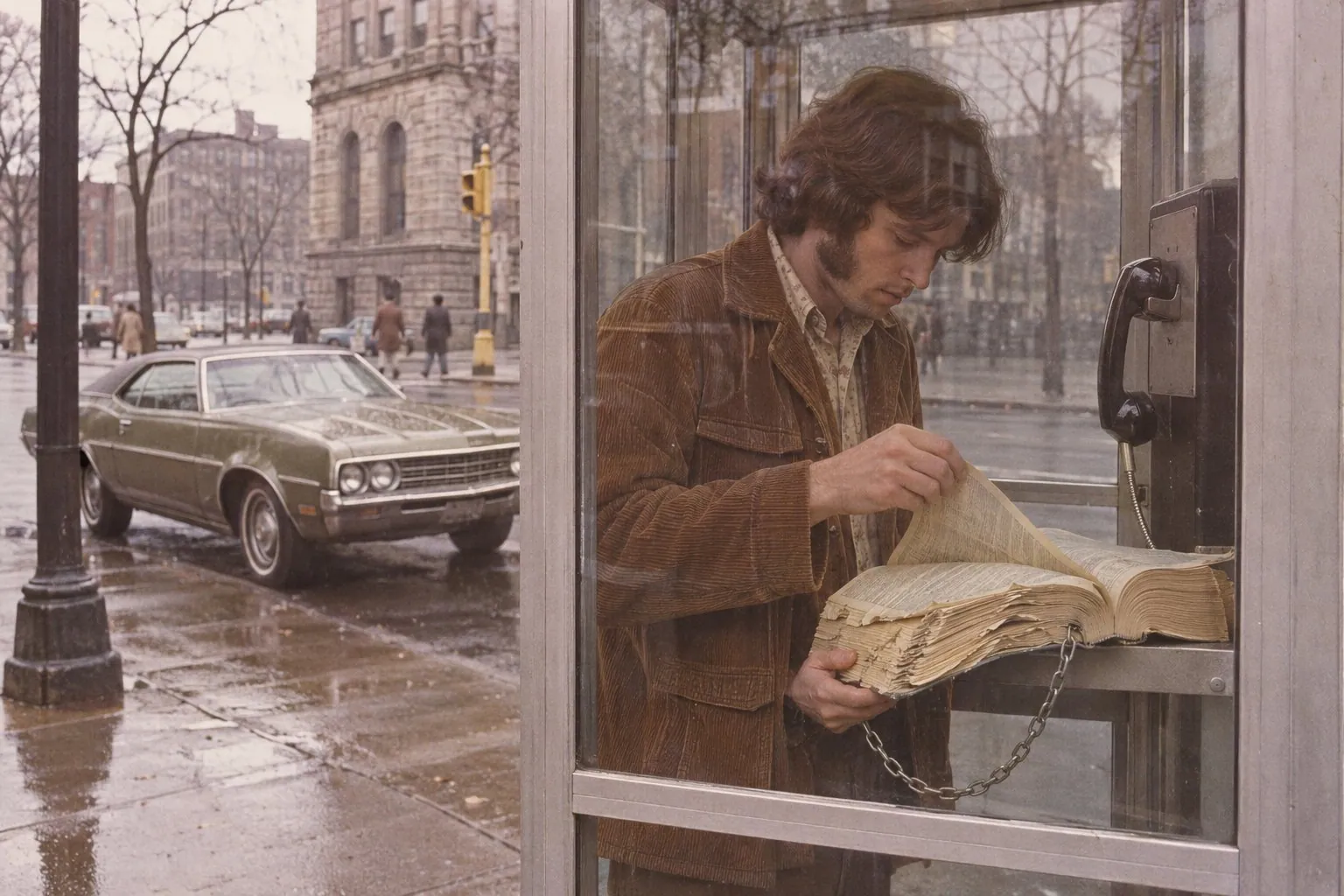
Out in town, the phone book hung from a chain in the phone booth, usually with its cover gone and a few pages ripped out. You'd look up the number, dig in your pocket for change, and hope the booth didn't smell too strongly of cigarettes.
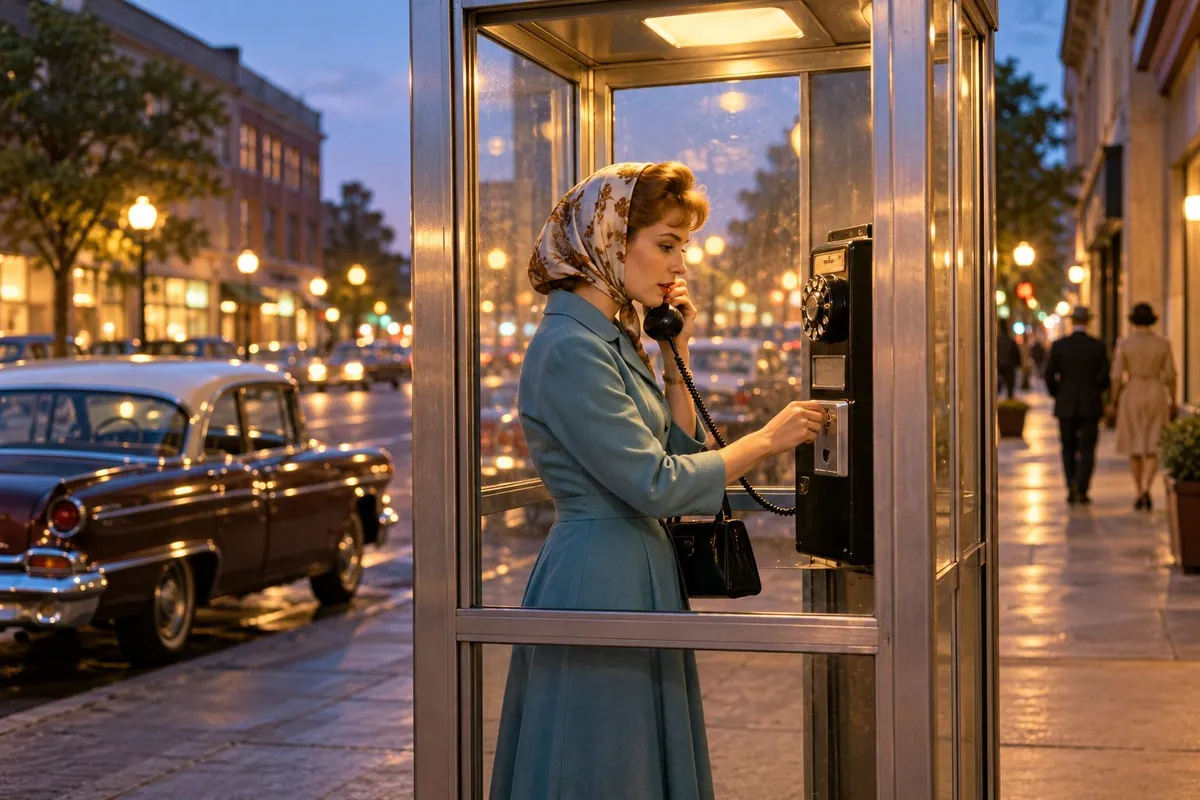
In most of America in the 1960s, how much did a local call from a pay phone cost?
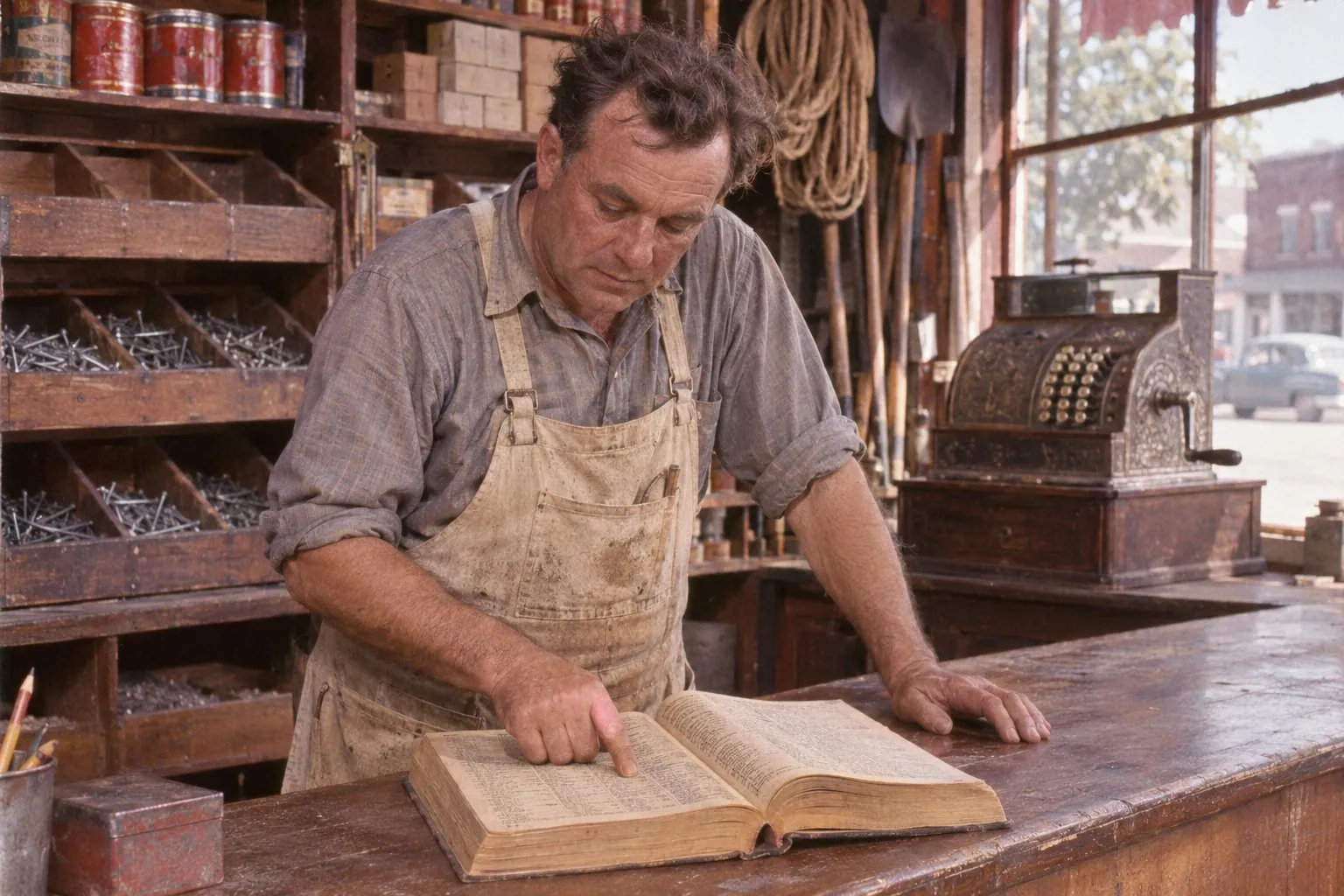
The Yellow Pages: let your fingers do the walking
Most homes got the business listings as a separate yellow book or as a yellow section in the back. Need a plumber, a TV repairman or the nearest Chinese restaurant? You turned to the yellow pages, found your heading, and compared the ads.
Yellow Pages history in brief
According to a story told for generations, a printer in Cheyenne, Wyoming, ran out of white paper in 1883 and printed a directory on yellow paper instead. The Chicago firm R.H. Donnelley is usually credited with the first official Yellow Pages, published in 1886. Treat both of these as tradition more than settled record. Either way, yellow paper for business listings became the standard. By the '60s, the Bell System's ads were telling Americans to "let your fingers do the walking," and the walking-fingers logo showed up on the covers.
For local businesses, a yellow pages ad was serious money. The bigger the ad, the more phone calls a business got, so competitors bought larger and larger ads. Some even picked names starting with "A" to get listed first, which is why so many towns had an "AAA Locksmith."
Is a vintage phone book worth anything?
Here's the honest answer. The real money is in the earliest directories. The November 1878 New Haven book sold at Christie's New York on June 17, 2008, for $140,000, the Rockland Daily reported. The same copy had sold there for $18,000 in 1996.
A vintage phone directory from your own childhood is a different story. Most of them are worth a modest amount, and almost all the value is to someone from that particular town. These things push the price up:
- Small towns. Fewer copies were printed, and fewer were saved.
- Old dates. Books from before the '50s turn up much less often.
- Good condition. It helps to have the cover intact and the yellow pages still attached.
- Local interest. Ads for well-remembered stores and diners, and listings for a famous local family, all add appeal.
To get a realistic idea of a price, look at sold listings, not asking prices. A dealer can ask whatever he likes. A sale tells you what someone was actually willing to pay.
What it cost new
Nothing. If you had a phone, the phone company delivered the book with the service, and a new one replaced it every year. The money came from the yellow pages ads. The company also charged extra if you wanted your number unlisted.
How to spot a real one
A real vintage telephone book was printed by your local phone company, such as Illinois Bell, Pacific Telephone, New York Telephone or Southern Bell. You'll usually find the Bell logo and the issue date on the cover. The paper is cheap, thin newsprint that yellows at the edges, and the old numbers often use exchange names. Bright white paper, sharp modern type or a missing date should make you suspicious.
Where old directories survive
Most phone books got thrown out or recycled when the new one came, so the ones still around tend to be in a few kinds of places:
- Public libraries. Many keep their own town's directories in a local history room, sometimes on microfilm.
- Historical societies and state archives. The University of Connecticut, for example, holds the Southern New England Telephone Company records, including that first 1878 sheet.
- Attics and estate sales. Families saved old books for the addresses written inside the covers.
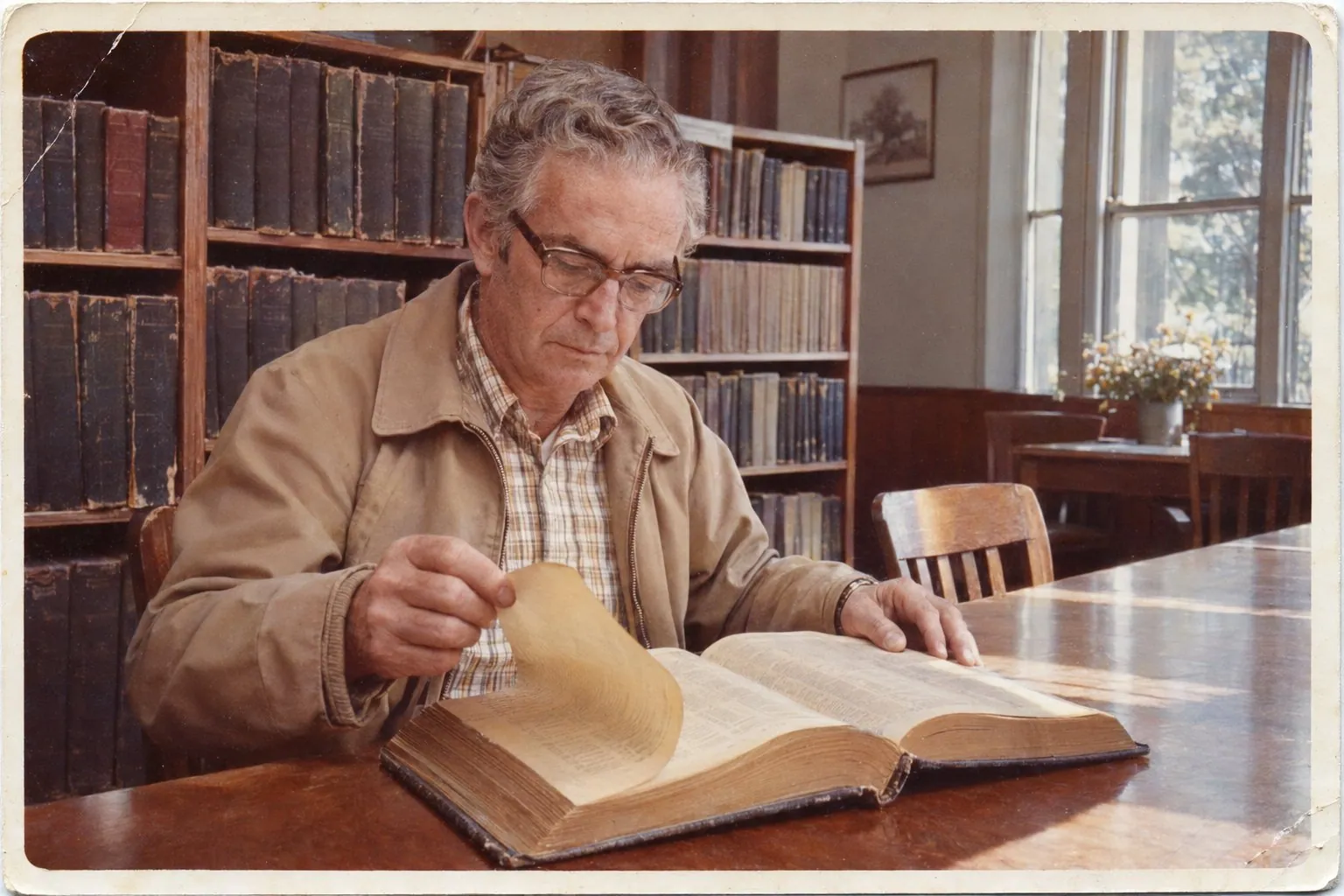
Genealogists use retro phone directories all the time. An old listing can show where your grandparents lived in a given year, what your father did for a living, or when a family business opened.
Frequently asked questions
Is an antique phone book worth any money?
Yes, but usually not a lot. Ordinary books from the '50s through the '70s mostly sell for modest prices to people from that town. Rare early directories are a different matter: the 1878 New Haven book sold at Christie's for $140,000 in 2008, the Rockland Daily reported.
When was the first phone book printed?
On February 21, 1878, in New Haven, Connecticut. It was a single page listing 50 subscribers and no numbers. The first bound New Haven book followed in November 1878.
Why were the Yellow Pages yellow?
The usual story is that a Cheyenne, Wyoming, printer ran out of white paper in 1883 and used yellow. Whether or not that's exactly how it happened, yellow paper became the standard way to keep business listings separate from the white pages.
Where can I see an old phone directory from my hometown?
Start with the local history room at your public library, then try the county historical society and the state archives. Many libraries keep their town's directories, some on microfilm.
Sources
- The World's First Telephone Directory, University of Connecticut Libraries, Archives & Special Collections
- First Commercial Telephone Exchange – Today in History: January 28, Connecticut History (CTHumanities), 2020
- The First Telephone Directory, and Later the First Telephone Book, are Published in New Haven, Connecticut, HistoryofInformation.com
- Today in History: The First Telephone Book Came Calling, Rockland Daily
Related Stories
Love a trip down memory lane?
Get a fun quiz every morning. Free · One email a day · Unsubscribe anytime