Studebaker: From Covered Wagons to the Last Car Built
Born at a South Bend forge in 1852 and gone by 1966: the whole Studebaker story, from farm wagons to the Hawk and the last turquoise Cruiser.
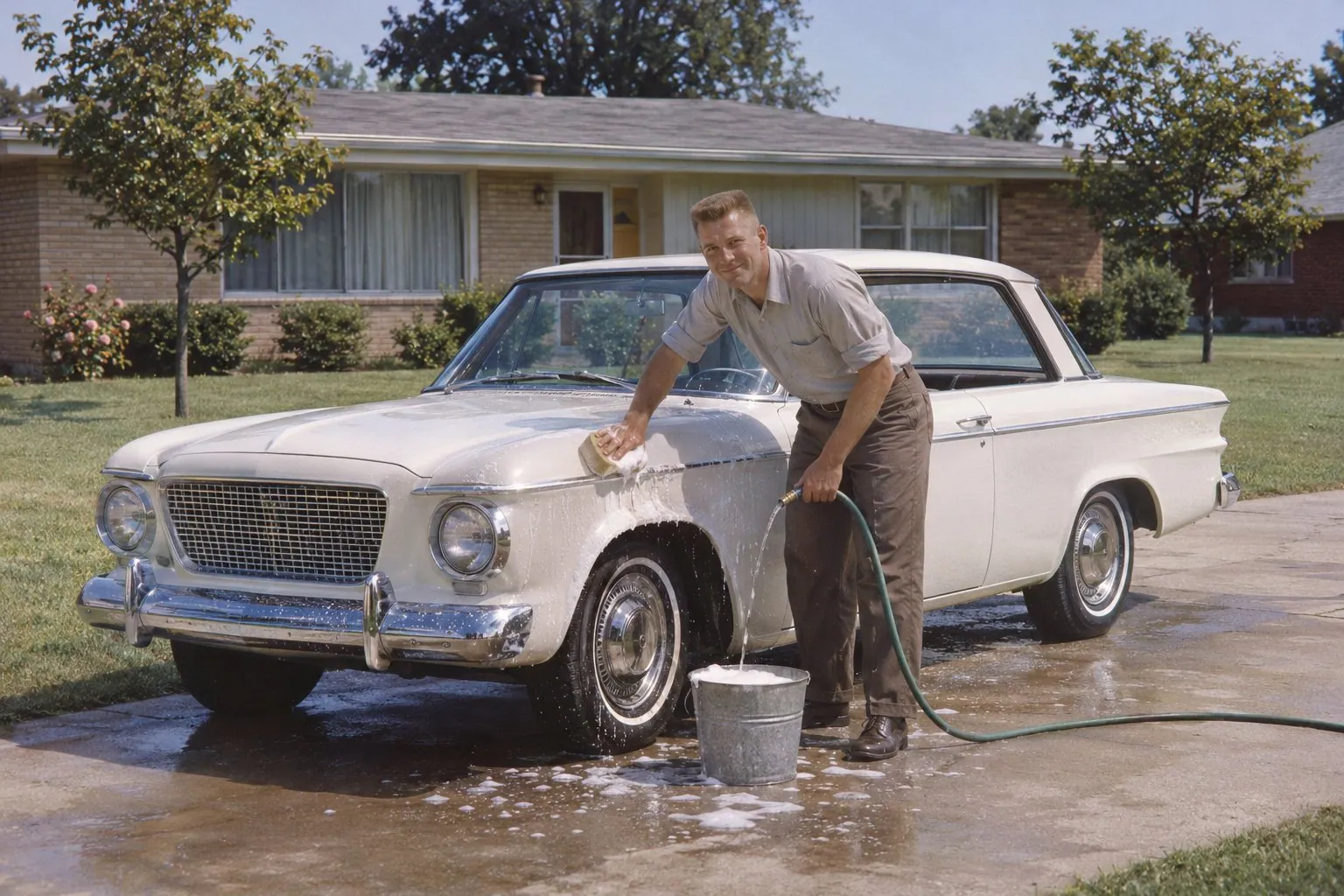
Studebaker was a family company from South Bend, Indiana. It started as a blacksmith and wagon shop in 1852, became one of America's best-known carmakers and built vehicles for 114 years. It quit making cars because it had been losing money for years and couldn't keep up with the prices and model changes of GM, Ford and Chrysler. The South Bend plant closed in December 1963, and the last plant, in Hamilton, Ontario, closed in March 1966.
You probably remember at least one. Maybe it was a neighbor's Lark parked at the curb, a Hawk at the Saturday drive-in, or a Studebaker pickup at the feed store. Whichever one you knew, its story starts at a forge more than a century earlier.
How the Studebaker story started at a blacksmith's forge
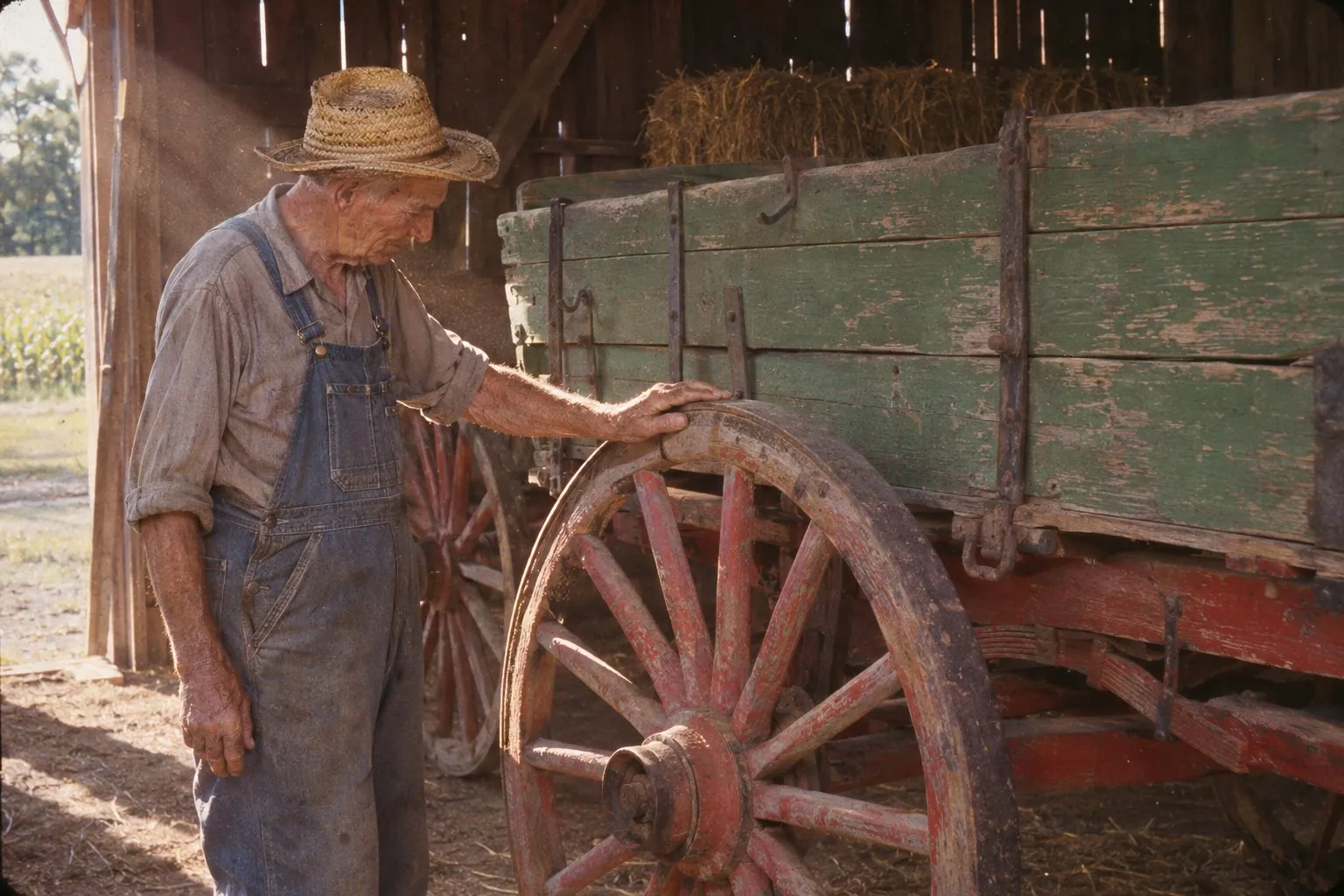
On February 16, 1852, Henry and his younger brother Clement opened the H. & C. Studebaker blacksmith shop at Michigan and Jefferson streets in downtown South Bend, the Studebaker National Museum records. Their father had taught them the trade, and Henry is credited with building the wagons the family used to move west to Indiana.
In 1858 Henry sold his share to his brother John M. Studebaker. One reason the museum gives is that Henry was a pacifist and didn't like the firm taking military contracts. Clement stayed on as president until he died in 1901.
Studebaker wagons of the 1800s
The brothers built their first carriage in 1857. By 1868 their yearly sales topped $350,000, and that year they formed the Studebaker Brothers Manufacturing Company, according to the University of Notre Dame's Building South Bend project. By the 1880s, Studebaker was the world's biggest maker of wagons, carriages and sleds, Hoosier History Live reports.
One of the carriages in the museum today is the barouche that carried Abraham and Mary Lincoln to Ford's Theatre in 1865. The company built its last wagon, an Izzer farm wagon, in 1919, and it went straight into the company's own collection, The Gentleman Racer notes.
Read more: Studebaker Truck Guide: Coupe Express to Champ and Transtar
From horse power to motor cars
Studebaker eased into the auto business. Its first cars, in 1902, were electrics, and gasoline models came in 1904. In 1913 the company built 35,000 cars, which made it the fourth-largest automaker in America, The Gentleman Racer reports. The museum's timeline lists the 1920 Light Six as the first car Studebaker built in South Bend.
The Notre Dame project calls Studebaker the only wagon and carriage builder that made it into the car business for good. Through the 1920s and '30s came the Commander, the President, the lower-priced Erskine and, under Studebaker ownership, the luxury Pierce-Arrow.
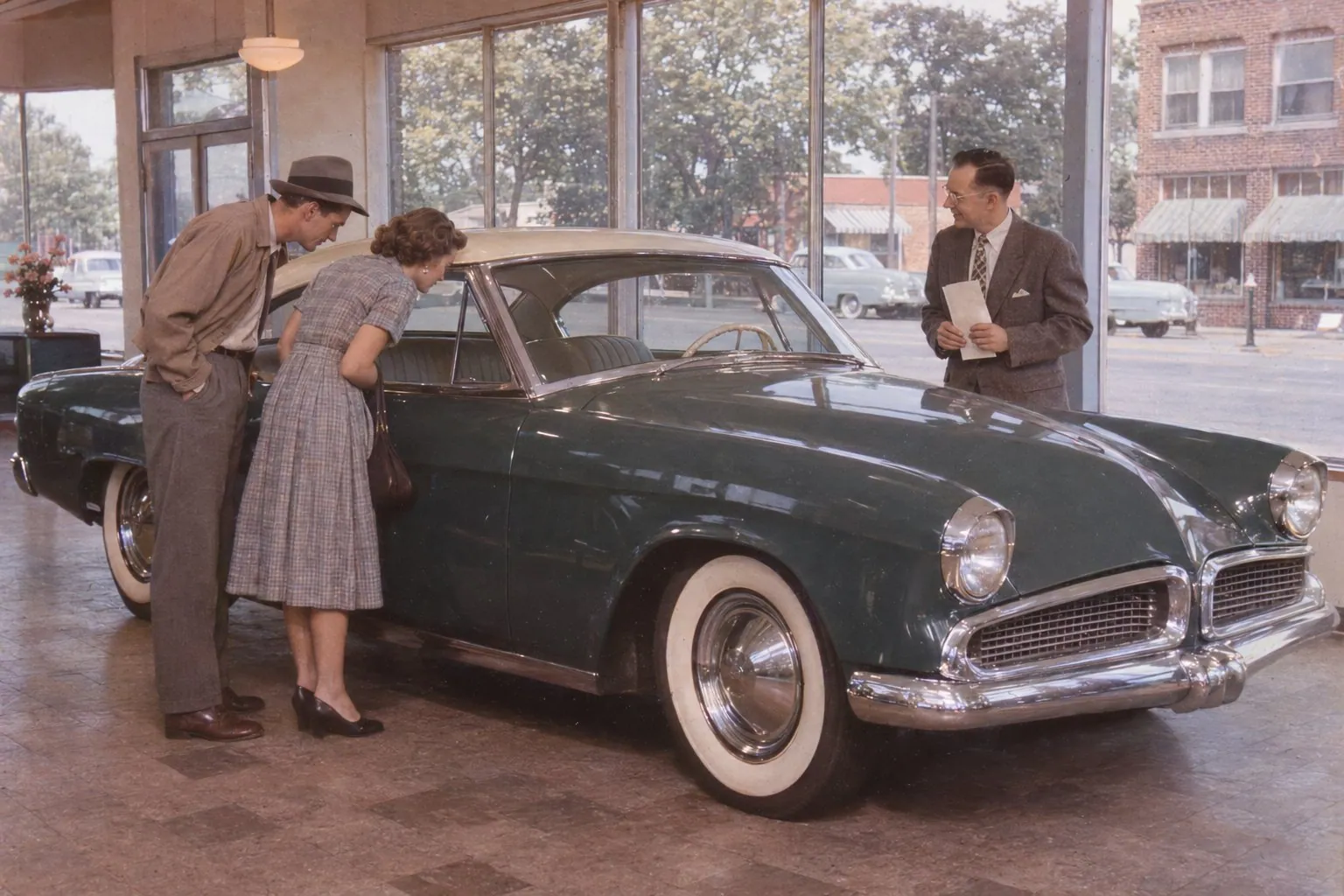
The Studebaker in the family driveway
Right after the war, Studebaker had a jump on the big companies. Its 1947 models came out new from the ground up, styled by Raymond Loewy's design team, while most other makers were still selling warmed-over prewar cars. The Starlight coupe had a wraparound rear window, and people loved to joke that you couldn't tell if it was coming or going.
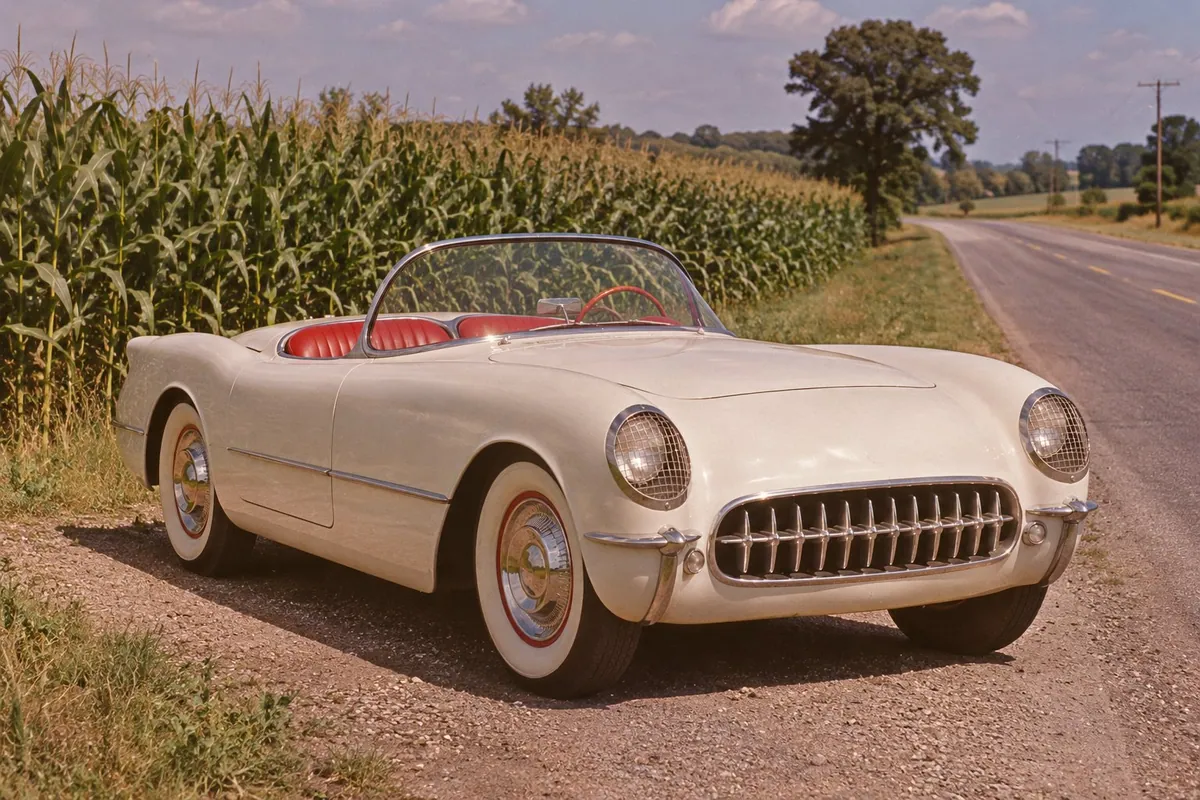
For Studebaker, the early '50s were the best years in South Bend, and the design people kept trying new ideas. If you had a cousin who drove one, see if you can name this car.
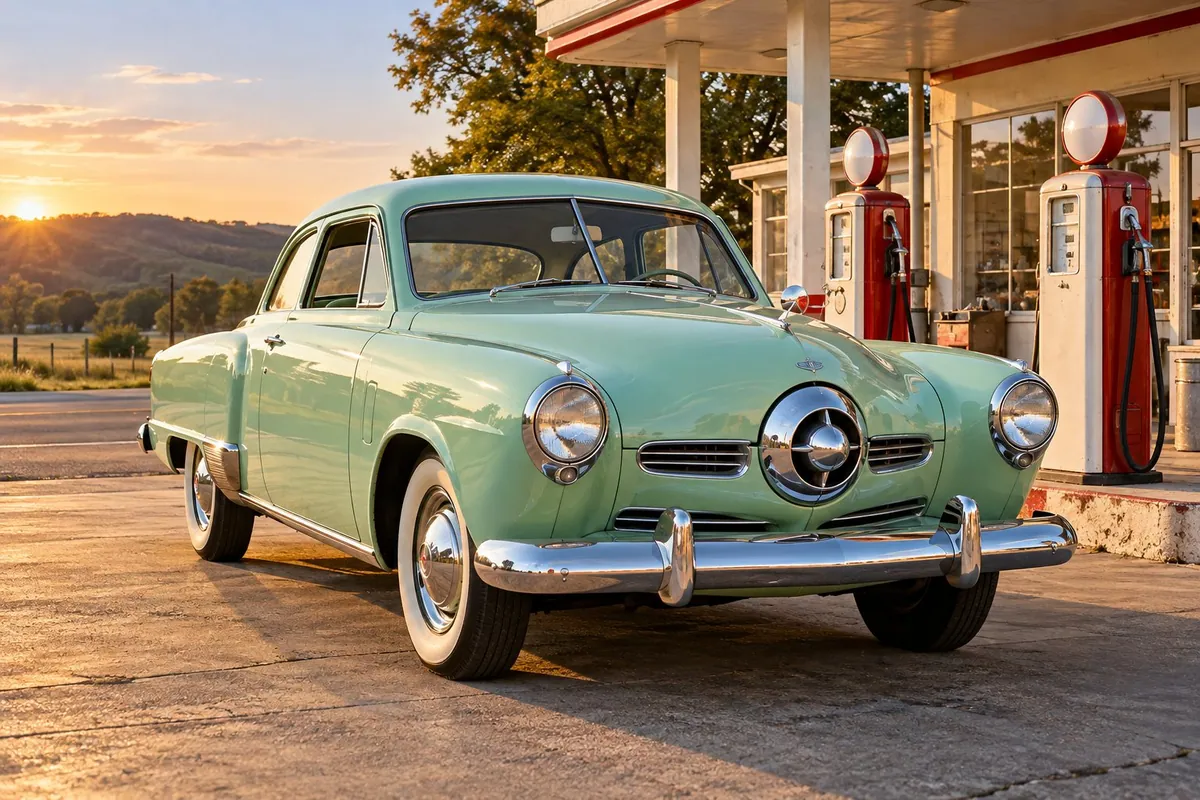
Its "bullet nose" made it look like an airplane. Which 1950 car is this?
Those years were the peak. In 1950 the company employed 24,000 people in South Bend, Andrew Beckman of the Studebaker National Museum told WNDU. The low, long 1953 Starliner coupe still turns up on lists of the best-looking American cars of the decade.
Hawks, Larks and the Avanti
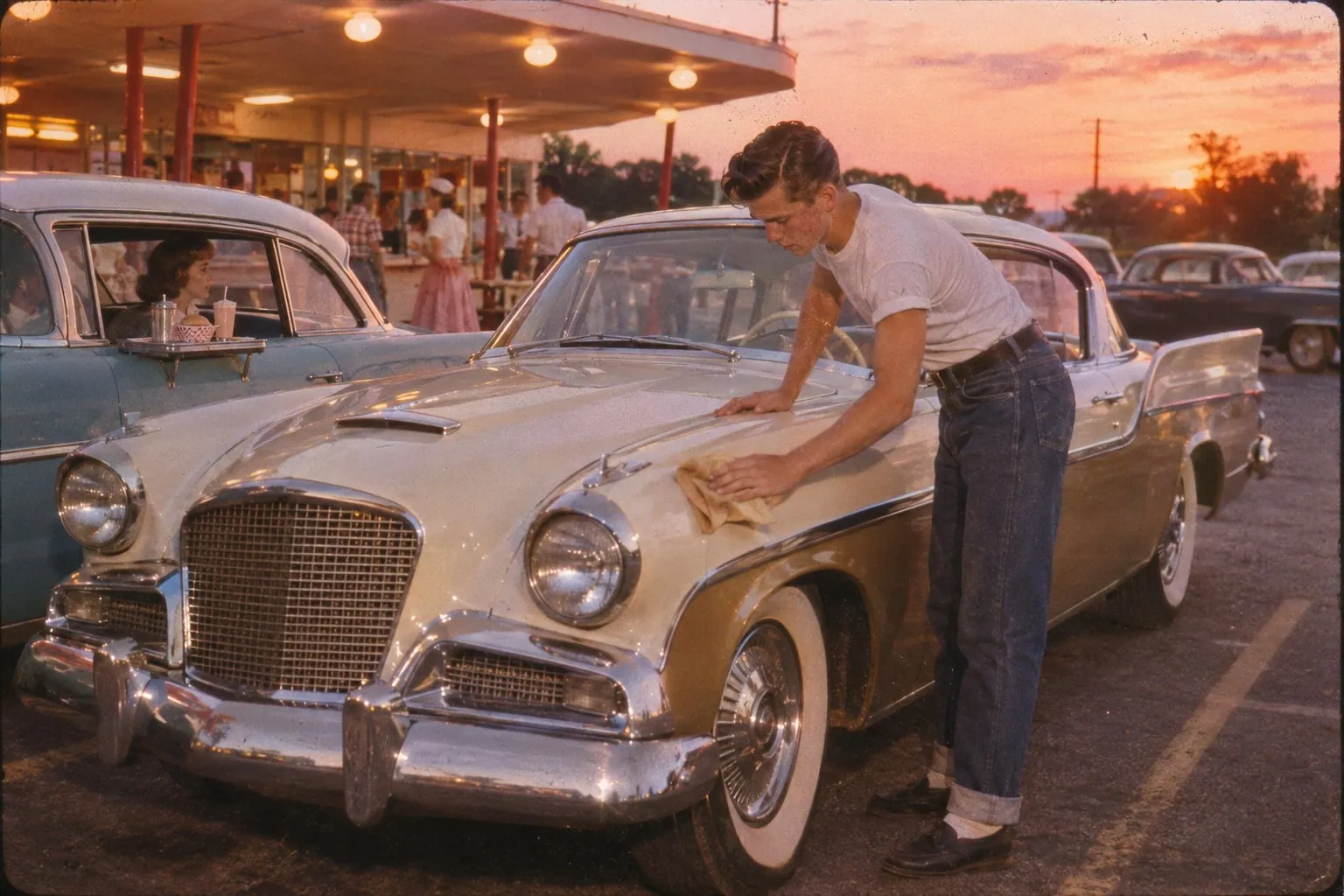
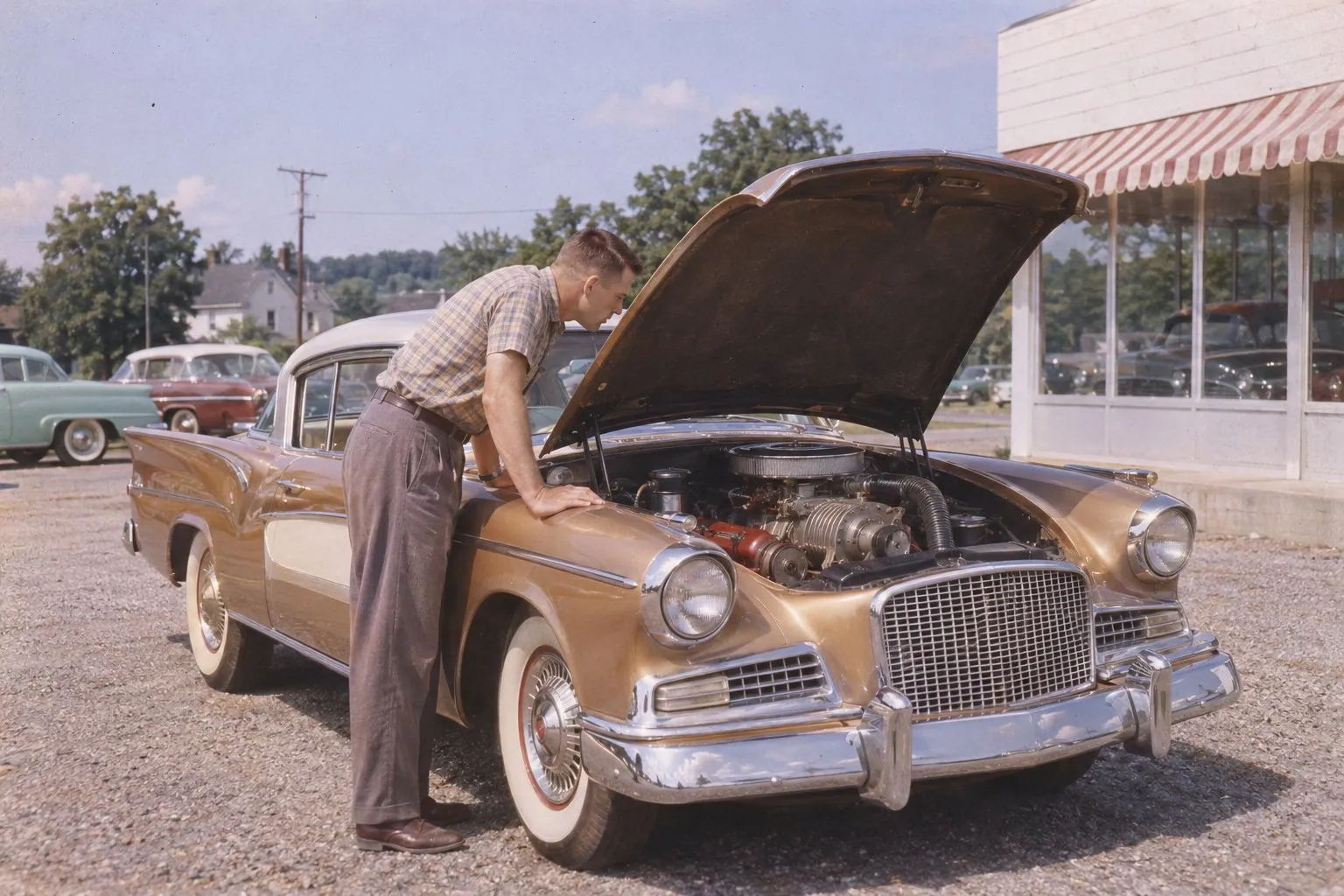
In 1954 Studebaker joined Packard to form Studebaker-Packard, hoping two independents could hold out against the Big Three. The sporty Hawks came next. The 1957 Golden Hawk had a 275-horsepower V8, and the museum shows a Golden Hawk 400, one of only 41 built, Car Guy Chronicles reports.
The compact Lark came out for 1959 and sold well for a while. The Avanti, with its fiberglass body, disc brakes and built-in roll bar, was unveiled at the Indianapolis 500 in 1962, Car Guy Chronicles notes. The Avanti was a showstopper, but production delays held it back.
The last car out of South Bend
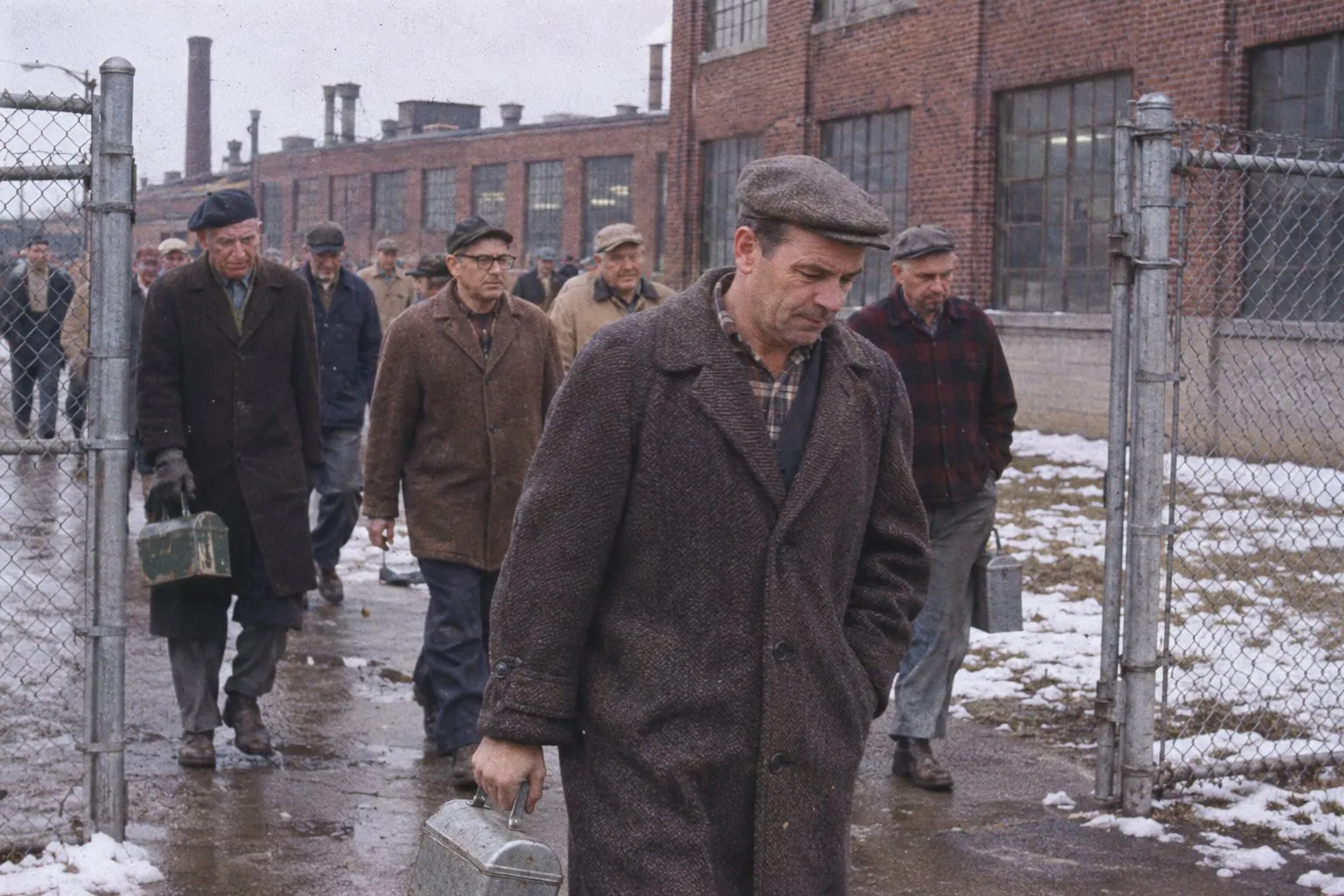
A United Auto Workers strike in January 1963 shut the lines down for 38 days, and dealers couldn't get the cars they had ordered, The Gentleman Racer reports. By that year, employment in South Bend had dropped to 7,000. "Studebaker had not made a profit for many years," Beckman told WNDU. He added that the company had come back from trouble so often that people expected it to do it again.
That didn't happen. The closing was announced on December 9, 1963, 17 days after President Kennedy was shot. The last car came off the line on December 20, five days before Christmas, WNDU reported. That car, a 1964 Daytona with a 289 V8, is at the museum now.
Production moved to Hamilton, Ontario, a plant that could build only about 20,000 cars a year, Hagerty reports. The last Studebaker, a Timberline Turquoise Cruiser with an Arctic White roof, rolled out on March 17, 1966, according to the museum's timeline. The Hamilton closing put almost 700 people out of work, CBC News reported.
What an old Studebaker is worth now
Studebaker car prices today
Old Studebakers are still some of the cheaper ways to own a 1950s car. A 1950 Champion has averaged about $17,566 in recorded sales, and one sold for $16,500 at Mecum's Kissimmee auction in January 2026, Conceptcarz reports. Prices swing a lot with condition and body style.
Diecast Studebakers
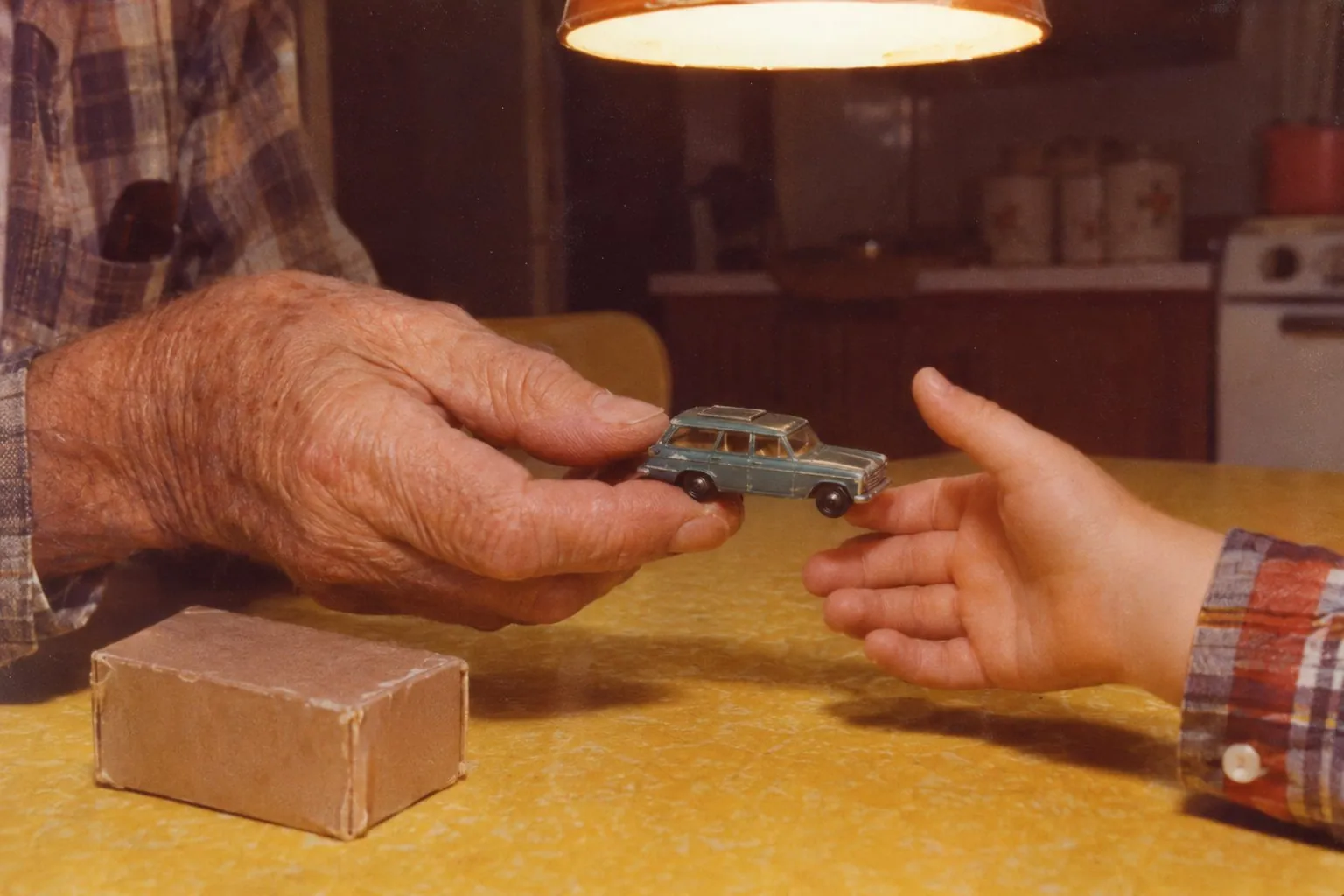
If a full-size car won't fit in your garage, a toy will. You may remember the little Matchbox Studebaker Lark Wagonaire, with a hunter and his dog riding in back under the sliding roof. Today there are scale models of Hawks, Avantis and Champions from several makers. Original boxes add a lot to the value.
Reading a Studebaker Hawk emblem
The Hawk name ran from 1956 through 1964. There was the Golden Hawk, then the Silver Hawk, then the plain Hawk, and finally the Gran Turismo Hawk that Brooks Stevens restyled for 1962. The bird emblems and badges changed along the way, so restorers check the exact model year before buying a replacement.
Frequently asked questions
When did the Studebaker car company stop making cars?
The South Bend plant built its last car on December 20, 1963, WNDU reported. The final Studebaker of all came off the Hamilton, Ontario, line on March 17, 1966, according to the Studebaker National Museum.
Did the Studebaker automobile company really build wagons?
Yes. Studebaker started as a blacksmith shop in 1852, and by the 1880s it was the world's largest maker of wagons, carriages and sleds, Hoosier History Live reports. It built its last wagon in 1919.
Where can I see an old Studebaker car today?
The Studebaker National Museum in South Bend has both the last car built in South Bend and the very last Studebaker from Hamilton. It also has carriages from the 1800s, including the one the Lincolns rode to Ford's Theatre.
Who designed Studebaker motor cars?
Raymond Loewy's design team did the 1947 and 1953 models. Brooks Stevens restyled the Gran Turismo Hawk and the last Larks. Loewy's group also designed the Avanti.
Sources
- The Studebaker History, Studebaker National Museum
- Meet Henry Studebaker, Studebaker National Museum
- Studebaker Family, University of Notre Dame, Building South Bend
- 60 Years Later: A look back at Studebaker leaving South Bend, WNDU, 2023
- Northern Lights: The Ontario Studebakers, Hagerty, 2016
- Studebakers: the brothers, the cars and the legacy, Hoosier History Live, 2020
Related Stories
Love a trip down memory lane?
Get a fun quiz every morning. Free · One email a day · Unsubscribe anytime