S&H Green Stamps: How They Worked and Why We Saved Them
You got them at the checkout, licked them, pasted them into books and traded the books. Here is the S&H Green Stamps story, from 1896 to the 1980s.
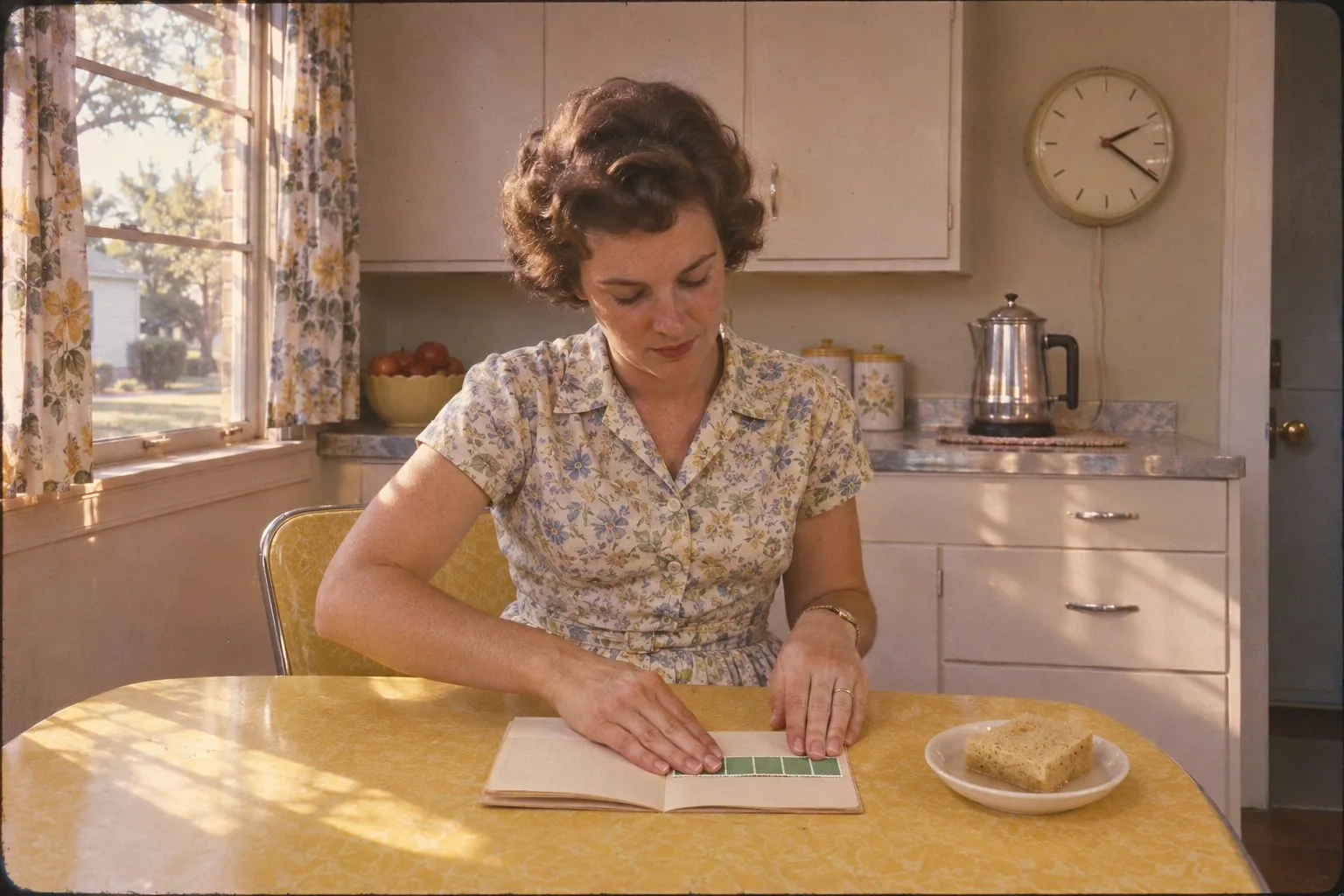
S&H Green Stamps were small gummed stamps that stores handed out at the register, usually one stamp for every 10 cents you spent. You licked them, pasted them into paper books, and traded the full books for merchandise at an S&H redemption center or through the company's catalog.
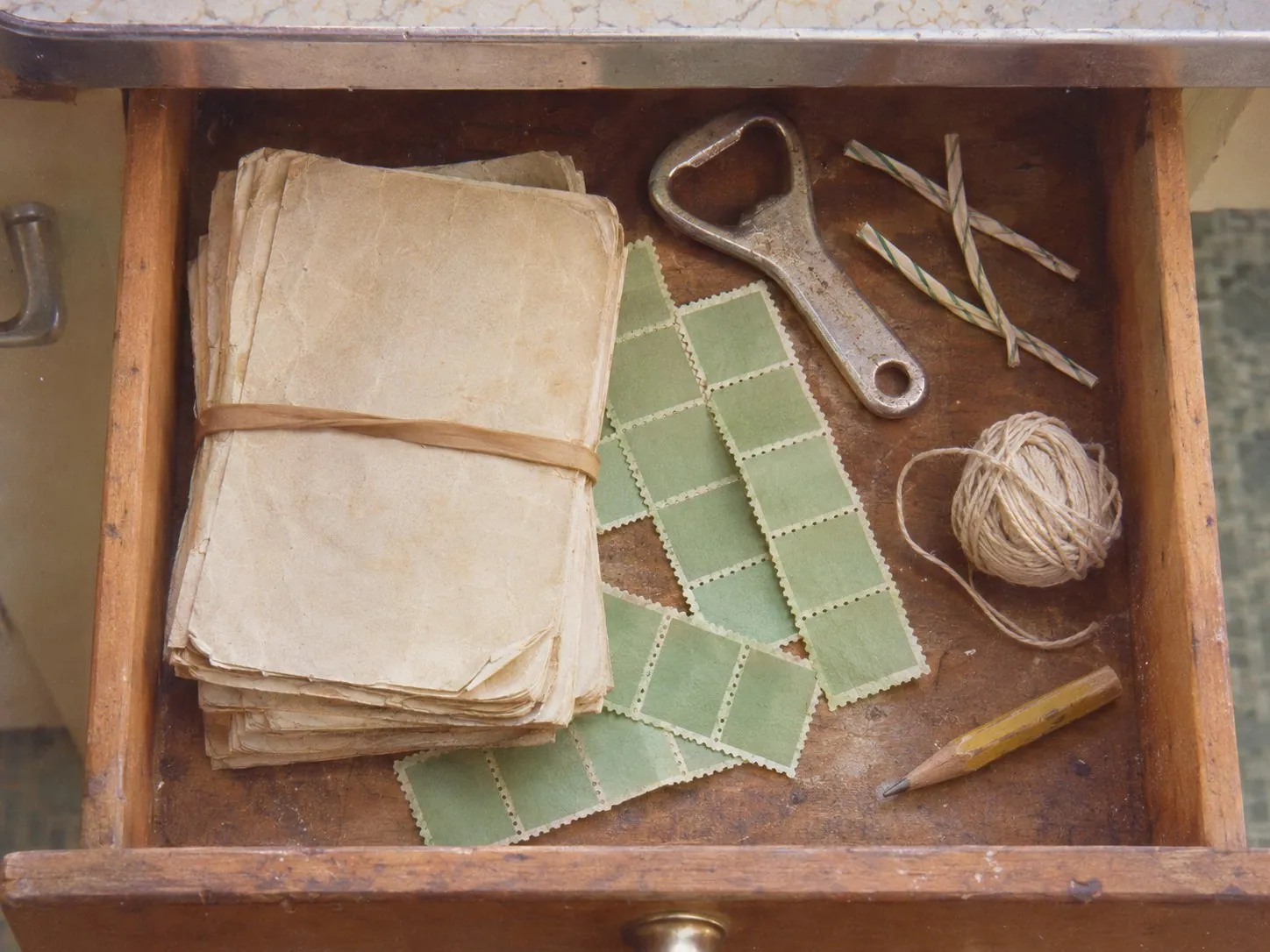
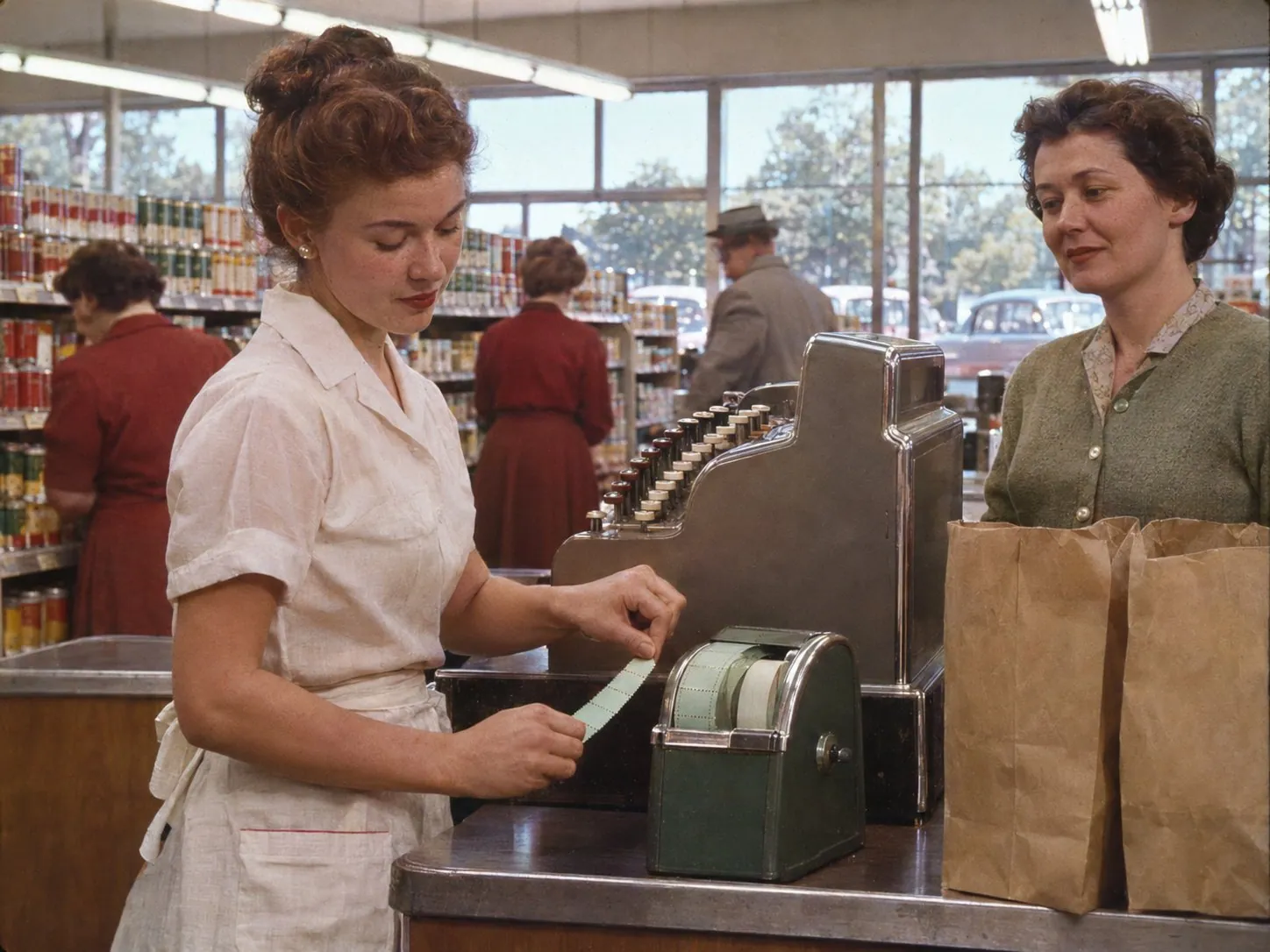
You probably remember the rest. The cashier tore off a strip at the end of the order. The stamps went into the kitchen drawer, and every so often somebody sat down at the table with a damp sponge in a saucer and caught up.
This is the story of those stamps: where they came from, how they ended up in nearly every kitchen drawer you knew, and why they went away.
How S&H Green Stamps worked at the checkout
The deal was simple. A store bought stamps from Sperry & Hutchinson and gave them to customers as a thank-you for shopping there. One stamp for each dime was the usual rate. In 1960 a dime was worth about $1.06 in today's money.
Big purchases got bigger stamps, so a large grocery order didn't leave you with a wad of singles. Some stores ran "double stamp" days to pull shoppers in on slow weekdays.
The math is worth knowing. At one stamp per dime, a 1,200-stamp book meant $120 worth of shopping. At 1960 prices, that's about $1,270 today. No wonder it took a family months to fill even one book.
Read more: Gas Prices Over the Last 20 Years: $1.51 in 2000 to Now
Where Sperry and Hutchinson got started
Thomas Sperry and Shelley Byron Hutchinson started their stamp business in 1896, and S&H stamps were around well before supermarkets were. The idea was to reward people for coming back to the same merchant instead of shopping around.
The stamps really took off after World War II, when chain supermarkets and gas stations spread into the new suburbs. A store that gave Green Stamps had a reason to put up a sign out front, and shoppers had a reason to drive past the store across the street.
The company stayed in the founding families for generations. The Beinecke family, who ran S&H for decades, gave Yale University its Beinecke Rare Book and Manuscript Library, which opened in 1963. A good part of that money came from those little green stamps.

Licking stamps at the kitchen table
For a lot of families, filling the books was a job for the kids. The stamps came in loose strips, crumpled in pocketbooks and glove boxes, and somebody had to flatten them out and line them up on the printed squares.
You may remember the taste of the glue if you licked them yourself. Smarter households used a wet sponge or a little glass roller. Each page took 50 stamps, and you weren't done until the book was a stiff, wavy brick of green.
The filled books went back in the drawer with the rubber bands, the twist ties and the spare keys. They stayed there until somebody decided what the family needed.
Green, Plaid, Blue Chip: the stamp wars
S&H wasn't the only stamp in town, and which stamps you saved depended on where your mother shopped. In the Berkshires, Jim Shulman wrote in his baby-boomer memories column for The Berkshire Eagle, First National Stores gave S&H Green Stamps. The A&P gave Plaid Stamps and Gold Bond Stamps, and Grand Union gave Triple-S Blue Stamps.
Other parts of the country had Top Value, Blue Chip and plenty of local brands. Families who shopped at more than one store ended up with a drawer full of different books that couldn't be mixed.
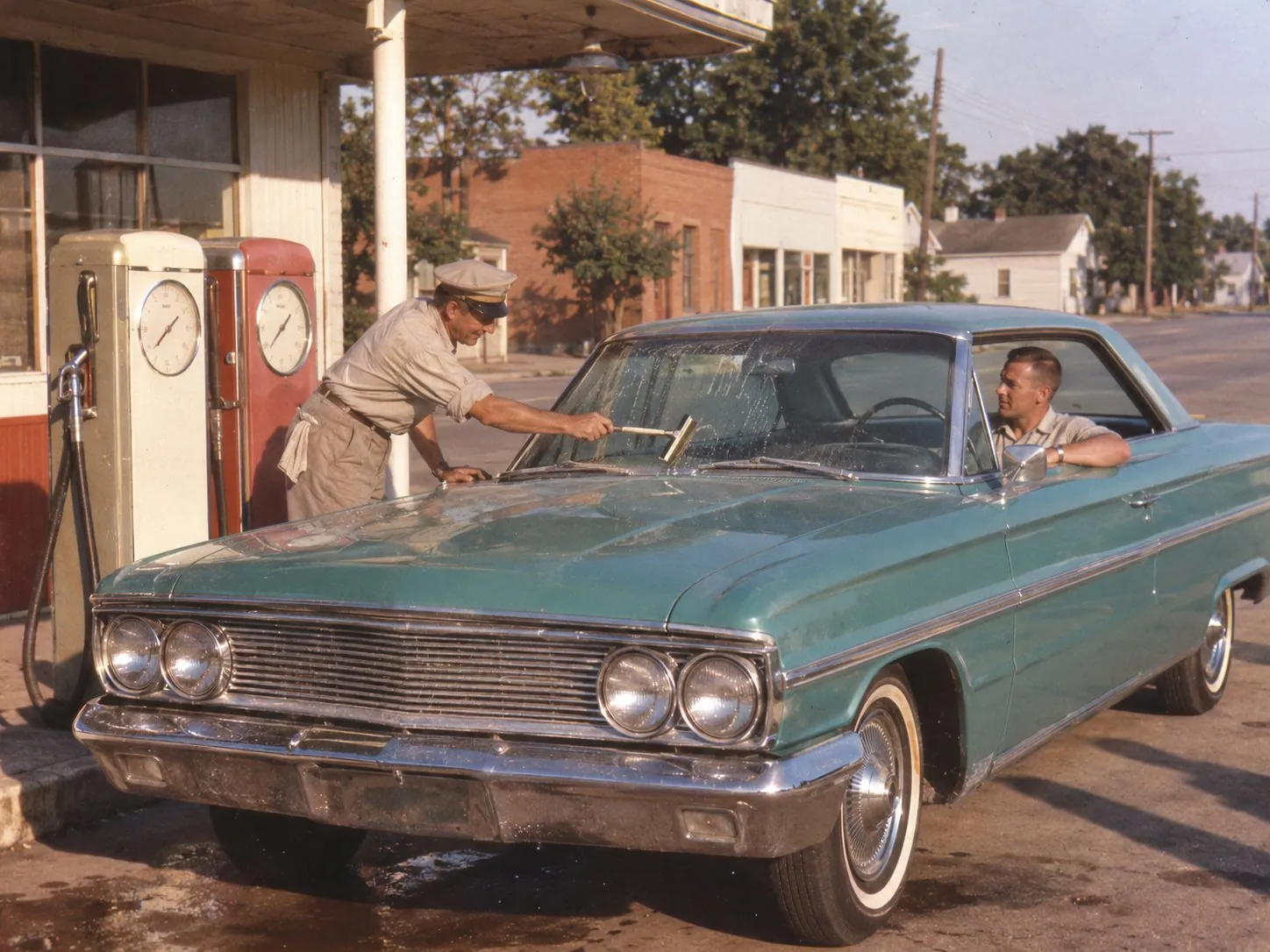
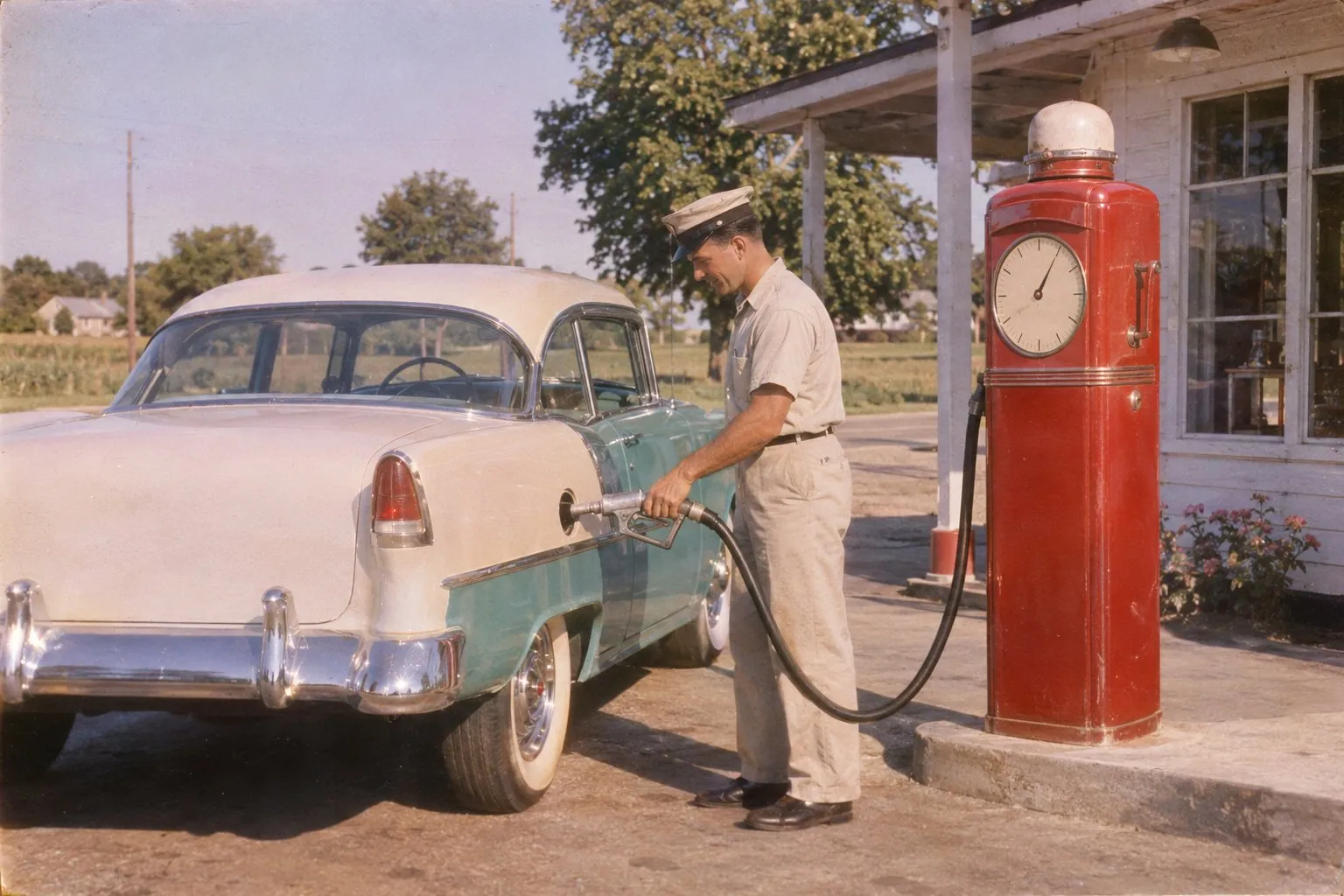
Shulman also points out something many men remember. He wrote that once he had a driver's license and a car, most of his stamps came from gas stations, not groceries. A fill-up came with stamps, a free road map and a clean windshield.
Trading in your books
Filling the books was half the fun. The other half was deciding what to spend them on, and families argued about it for weeks. Somebody wanted to save for something big. Somebody else wanted something now.
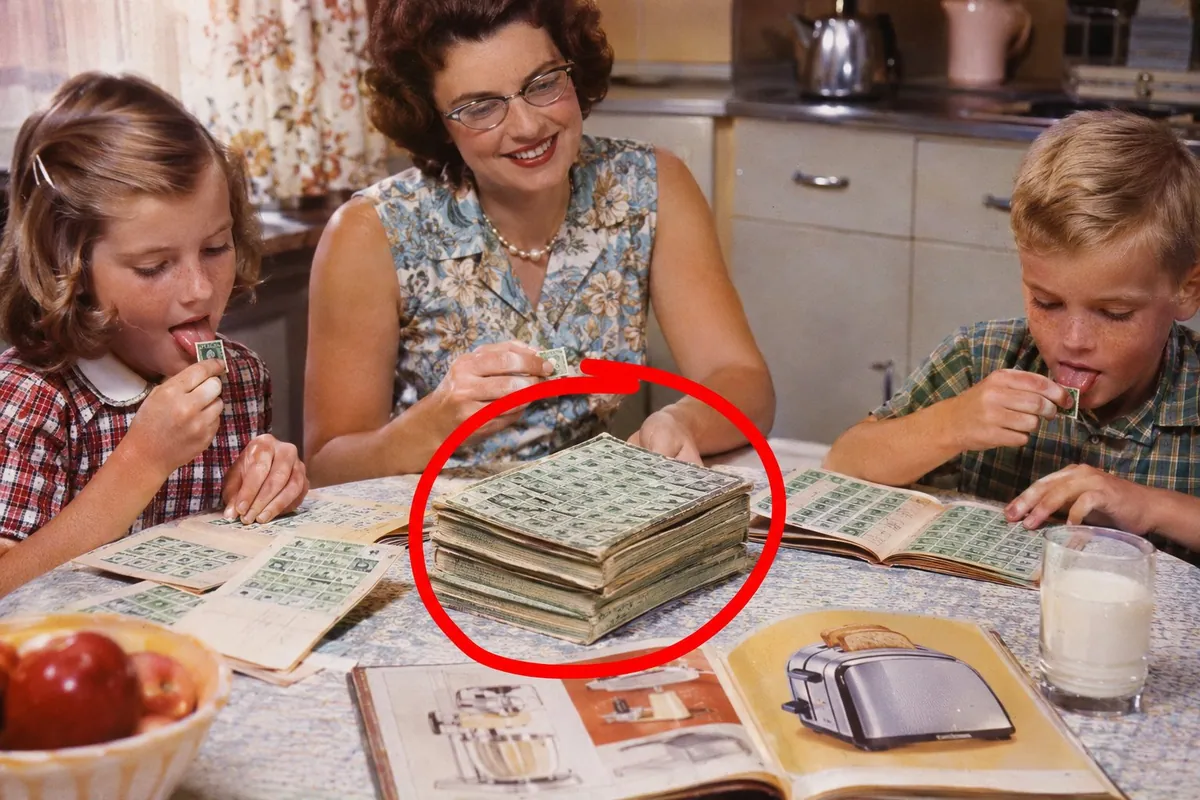
What could you get for books full of S&H Green Stamps?
Most towns of any size had an S&H redemption center, a store where you handed over your books instead of cash. You could also order from the thick S&H catalog, called the Ideabook in many years. It was full of toasters, lamps, card tables, luggage, fishing gear and toys, each priced in books instead of dollars.
The catalog was a big part of the habit. Kids circled things in it the way they circled the Sears Christmas Wish Book, and parents treated it as proof that saving pays off. Plenty of families still have a lamp, a clock or a set of dishes that started as a drawer full of stamps.
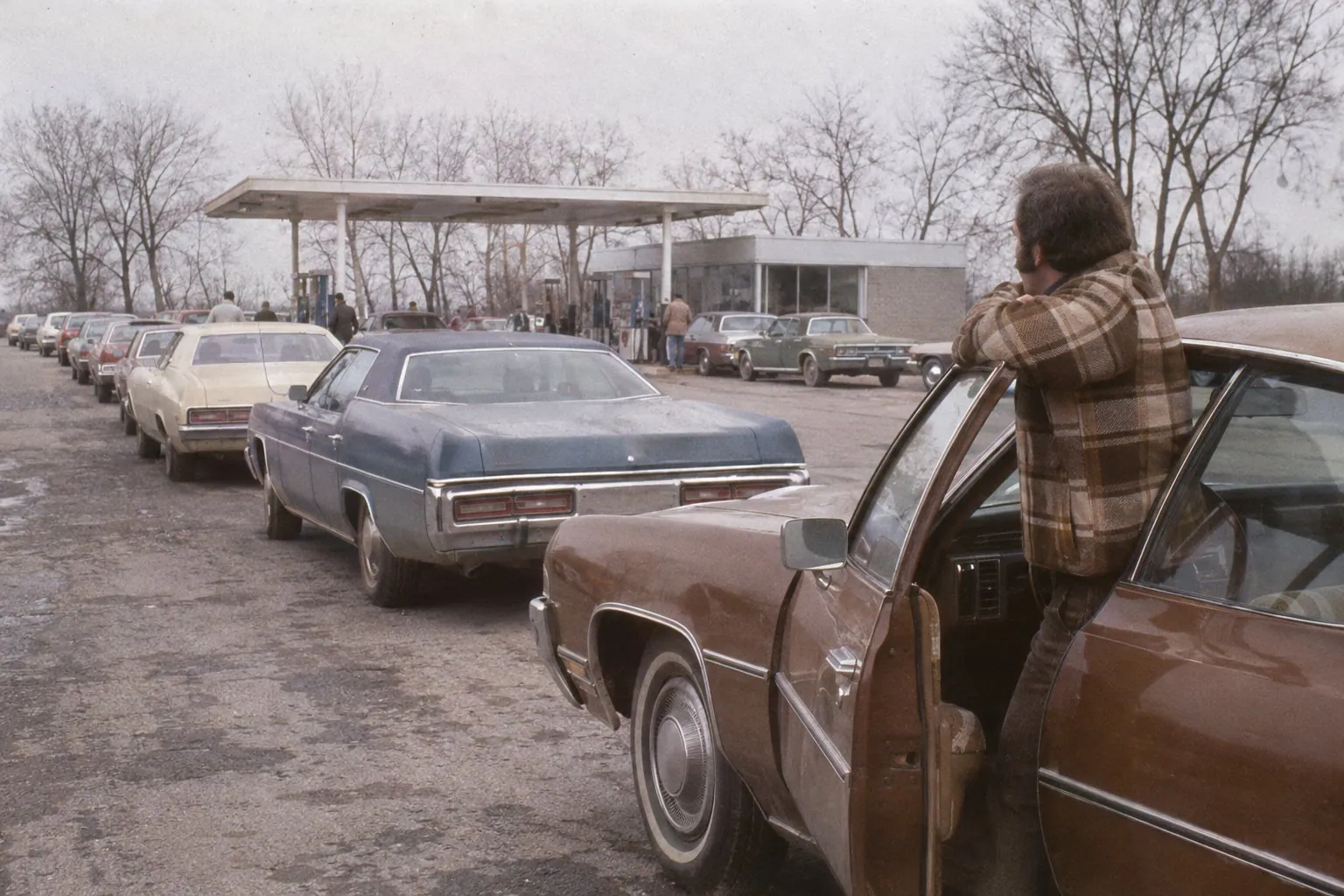
Why green stamps faded in the '70s
If you remember green stamps from the '70s, you probably also remember them getting harder to find. The 1973 oil embargo hit gas stations, one of S&H's biggest outlets, and many stopped giving stamps, Methodshop noted. With lines at the pumps, Shulman wrote in The Berkshire Eagle, stations didn't need stamps to bring in customers, and the free maps and windshield washing went with them.
Supermarkets changed too. As inflation climbed, shoppers wanted lower prices now instead of a reward later, and chains began dropping stamps and advertising price cuts. Shulman wrote that S&H closed its last redemption store in Pittsfield in 1973.
Washington took an interest as well. In 1972 the U.S. Supreme Court ruled in FTC v. Sperry & Hutchinson Trading Stamp Co. that the Federal Trade Commission could go after "unfair" business practices even where no antitrust law was broken. The case came out of S&H's efforts to shut down outside dealers who traded in its stamps.
What happened to Sperry and Hutchinson after that
The families sold Sperry & Hutchinson to Baldwin-United in 1981. By the late 1980s, fewer than 100 retailers still offered Green Stamps, Methodshop reported. The stamps that once came with every tank of gas had mostly disappeared from checkout counters.
They didn't vanish from the culture. Andy Warhol painted rows of them in his 1962 work "S&H Green Stamps." Every store loyalty card and airline mile today works on the same idea S&H had in 1896. You just don't have to lick anything.
Frequently asked questions
What were S&H green stamps?
They were trading stamps that stores gave out with purchases, usually one stamp per 10 cents spent. Shoppers pasted them into books and traded the full books for merchandise at redemption centers or from the S&H catalog.
How many stamps were in an S&H green stamp book?
A full book held 1,200 stamps, 50 to a page. At the usual rate of one stamp per dime, that was $120 in purchases, or about $1,270 in today's money at 1960 prices.
What does S&H stand for?
S&H stands for Sperry & Hutchinson, after Thomas Sperry and Shelley Byron Hutchinson, who started the company in 1896.
Why did green stamps disappear in the '70s?
The 1973 oil crisis led many gas stations to stop giving stamps, and supermarkets switched to lower prices as inflation rose. By the late 1980s, Methodshop reported, fewer than 100 retailers still offered them.
What other trading stamps were there besides S&H?
Plaid Stamps, Gold Bond, Top Value, Blue Chip and Triple-S Blue Stamps were all common, depending on the region and the store chain. In the Berkshires, for example, the A&P gave Plaid and Gold Bond and Grand Union gave Triple-S.
Sources
- Jim Shulman: When trading stamps were just about everywhere, The Berkshire Eagle, 2022
- FTC v. Sperry & Hutchinson Trading Stamp Co., 405 U.S. 233, U.S. Supreme Court, 1972
- Whatever Happened To S&H Green Stamps?, Methodshop, 2026
- Consumer Price Index inflation multipliers (2024 dollars), U.S. Bureau of Labor Statistics, 2024
Related Stories

Love a trip down memory lane?
Get a fun quiz every morning. Free · One email a day · Unsubscribe anytime