1950 $20 Bill: What It's Worth Now and What It Once Bought
Most 1950 twenties are still worth only a little over face value. Star notes, a scarce series and printing mistakes can bring more.
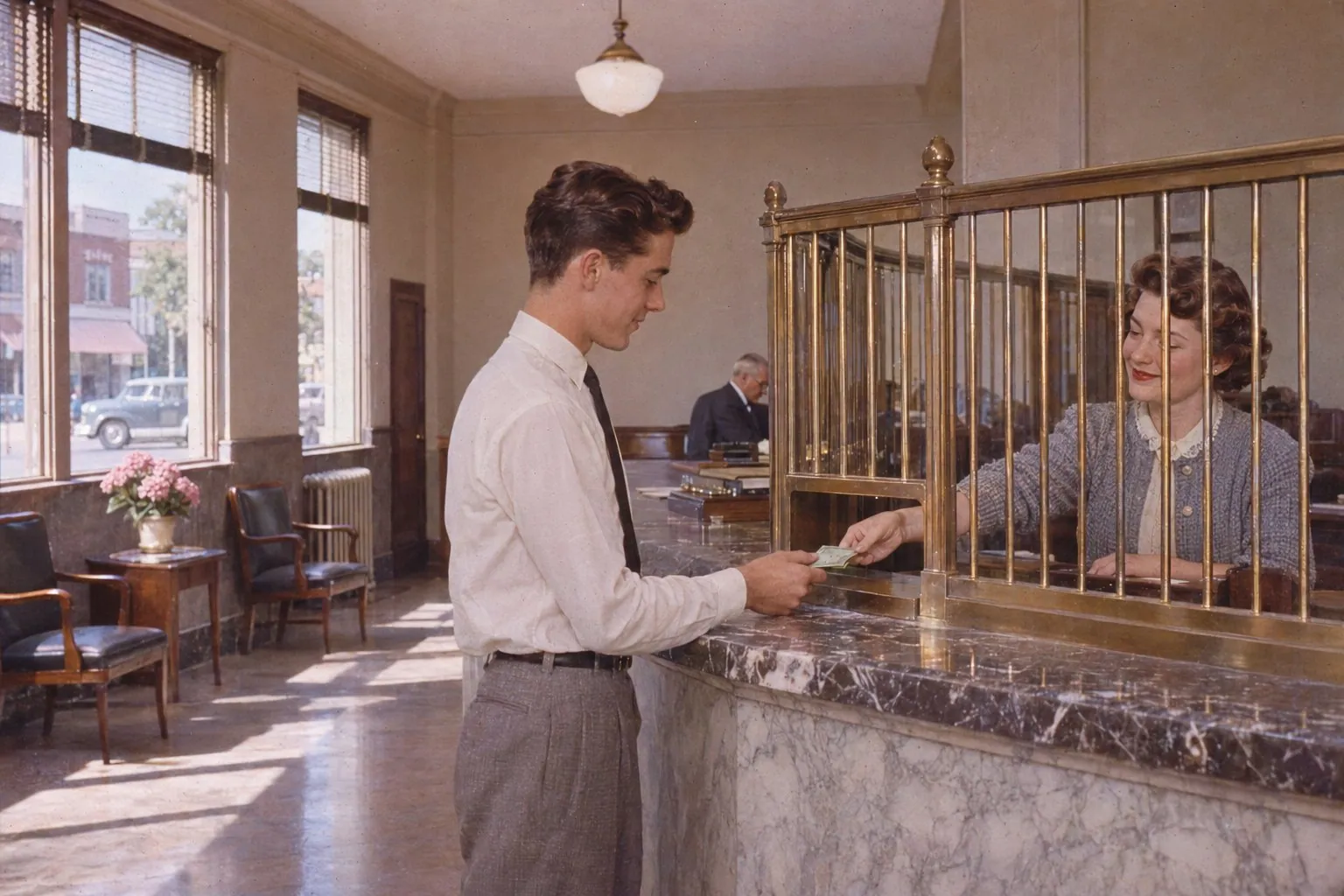
A $20 bill from 1950 in ordinary worn condition is worth only a little more than face value today, about $25 to $35 for most notes. Crisp uncirculated notes, star notes and the scarce 1950E series can bring more, and price guide Greysheet lists 1950-series twenties anywhere from $20 up to $140.
When the bill was new, though, it was real money. In 1950, twenty dollars came to about $260 in today's dollars. For a lot of working men, that was most of a week's pay.
You probably remember the first one you ever held. It might have been a birthday gift from a grandparent or your first paycheck from a paper route. Maybe it was folded into a card at graduation. It had Andrew Jackson on the front, and it felt like a fortune.

What a 1950 $20 bill is worth today
These notes were printed by the millions, so most of them are common. A precious-metals dealer, Silver Recyclers, puts a plain 1950-series twenty at about $25 in very fine condition and about $35 in extremely fine.
The date on the bill also doesn't tell you when it was printed. The Coined for Money blog notes that 7,200,000 of the 1950C twenties for New York were printed between February 1961 and March 1963. So a "1950" twenty could easily have reached your pocket during the Kennedy years.
The six series letters
The letter after the year changed whenever a new Treasury Secretary or Treasurer took office, because their signatures appear on the note. For example, the 1950A notes carry the Priest-Humphrey signatures, according to USPaperMoney.Info. The last series, 1950E, carries the Granahan-Fowler signatures.
The 1950E is the one collectors look for. Greysheet lists 1950E twenties from only three Federal Reserve Banks: New York, Chicago and San Francisco. The other series came from many more districts.
Star notes
If you see a small star next to the serial number, you have a replacement note. These were printed to replace sheets that were damaged during printing. Silver Recyclers puts most 1950A $20 star notes at about $60 in very fine condition and about $115 in extremely fine. Uncirculated ones graded MS 63 bring about $175 to $200.
Miscuts and other printing mistakes
If the white border is wider on one side, the note was cut off-center. Collectors don't get as excited about this as people expect. One collector who posts as CamaroDMD on CoinTalk wrote, "I don't think the miscut adds any value." He added that off-center cuts can actually hurt the price.
A strong error is a different story. In December 2021, Omni Auction Corp. put a 1950B miscut twenty up for sale with an estimate of $100 to $150, according to Invaluable. It went unsold. Paper folded during printing, called a gutter fold, is more dramatic. Coined for Money put one such twenty at about $100.
Read more: Gas Prices Over the Last 20 Years: $1.51 in 2000 to Now
How to tell you're holding the real thing
A genuine 1950-series twenty is the same size as today's bills. It has a green Treasury seal on the right and a Federal Reserve seal with a district letter on the left. The back shows the White House. The paper is a cotton-linen blend with tiny red and blue fibers, and it feels crisp, not slick.
Look closely at the back. The motto "In God We Trust" isn't there, because it didn't reach the $20 Federal Reserve Note until the 1963 series. The front also still says the note is "redeemable in lawful money," a promise later notes dropped.
The portraits were set back in the 1928 redesign: Washington on the one, Lincoln on the five and Jackson on the twenty. Most of us could name those without looking. The big bill is where people start to guess.
Which U.S. President is on the $100 bill?
What twenty dollars bought in 1950
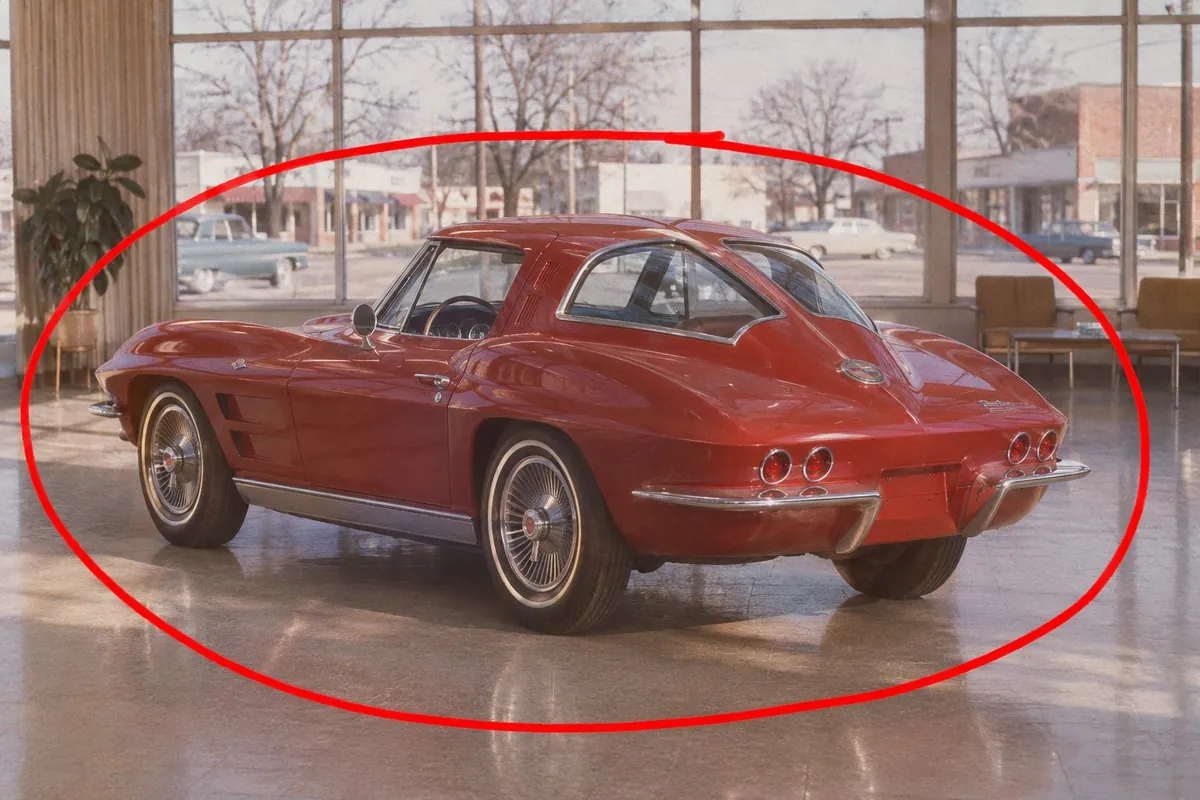
Here's what that Jackson could buy in 1950, set next to today's dollars. The minimum wage rose to 75 cents an hour in January 1950, according to the U.S. Department of Labor. That means a twenty paid for almost 27 hours of work.
| Item in 1950 | Price then | In today's dollars |
|---|---|---|
| One $20 bill | $20 | about $260 |
| One hour at minimum wage | 75 cents | about $9.75 |
| First-class stamp | 3 cents | about 39 cents |
| Bottle of Coca-Cola, most places | 5 cents | about 65 cents |
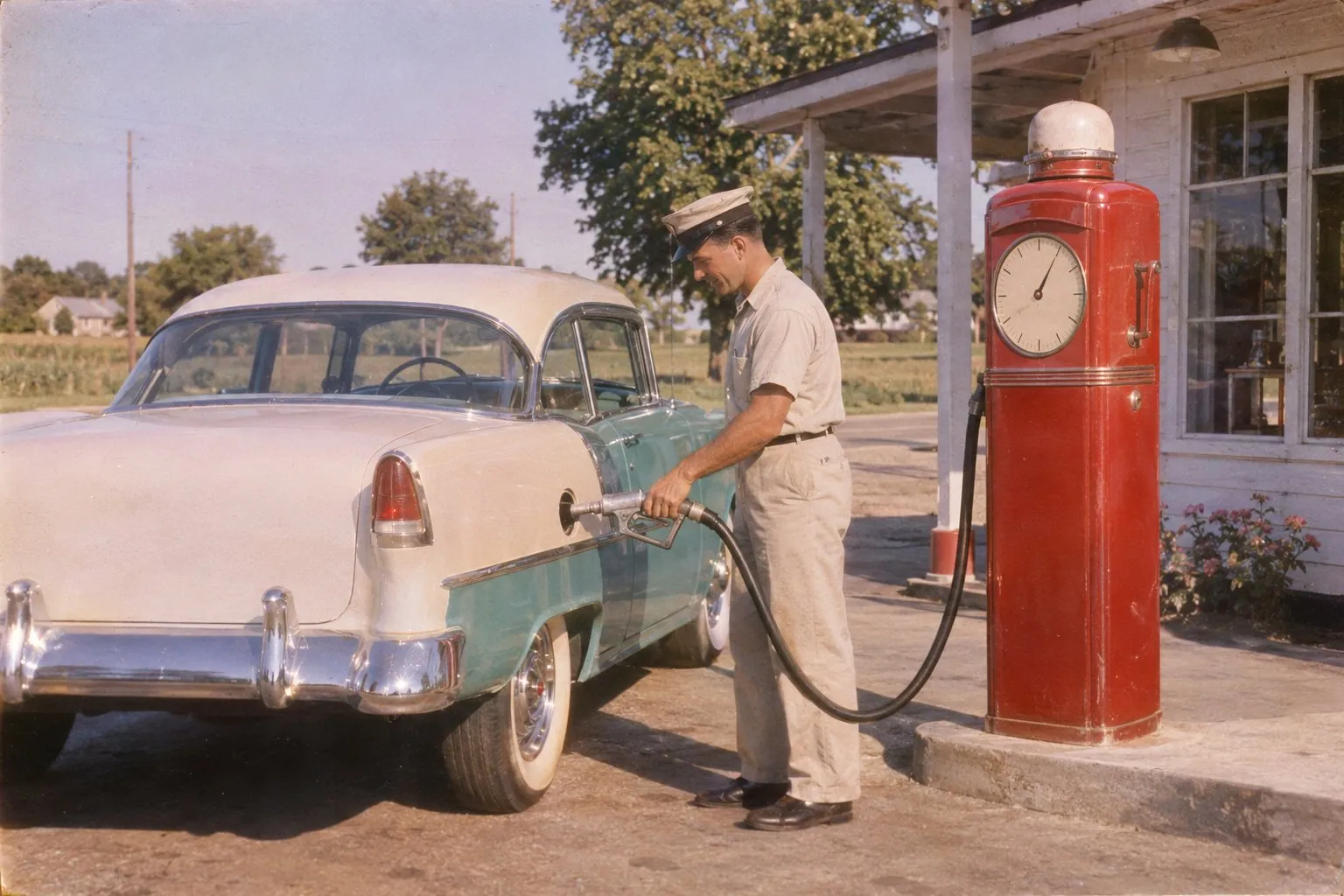
| Gallon of regular gas, national average | about 27 cents | about $3.51 |
The stamp price comes from the USPS rate history reported by Fast Company. The gas figure is the U.S. Energy Information Administration's yearly average, and prices varied from town to town. At those prices, one twenty bought about 74 gallons of gas, 400 nickel Cokes or 666 stamps.
Maybe your first twenty went for a Schwinn, a baseball glove or a date with dinner and a movie. You might have taken it straight to a savings passbook. However you spent yours, we'd like to hear about it.
The other money in your pocket
The 1950 $5 bill
The five from that time has Lincoln on the front and the Lincoln Memorial on the back. It came in the same six series letters as the twenty. Like the twenty, it's common. A CoinTalk member put the book value of an ordinary 1950B five at around $8 to $12. In 1950, that $5 was worth about $65 in today's money.
The 1950 Liberty Bell half dollar
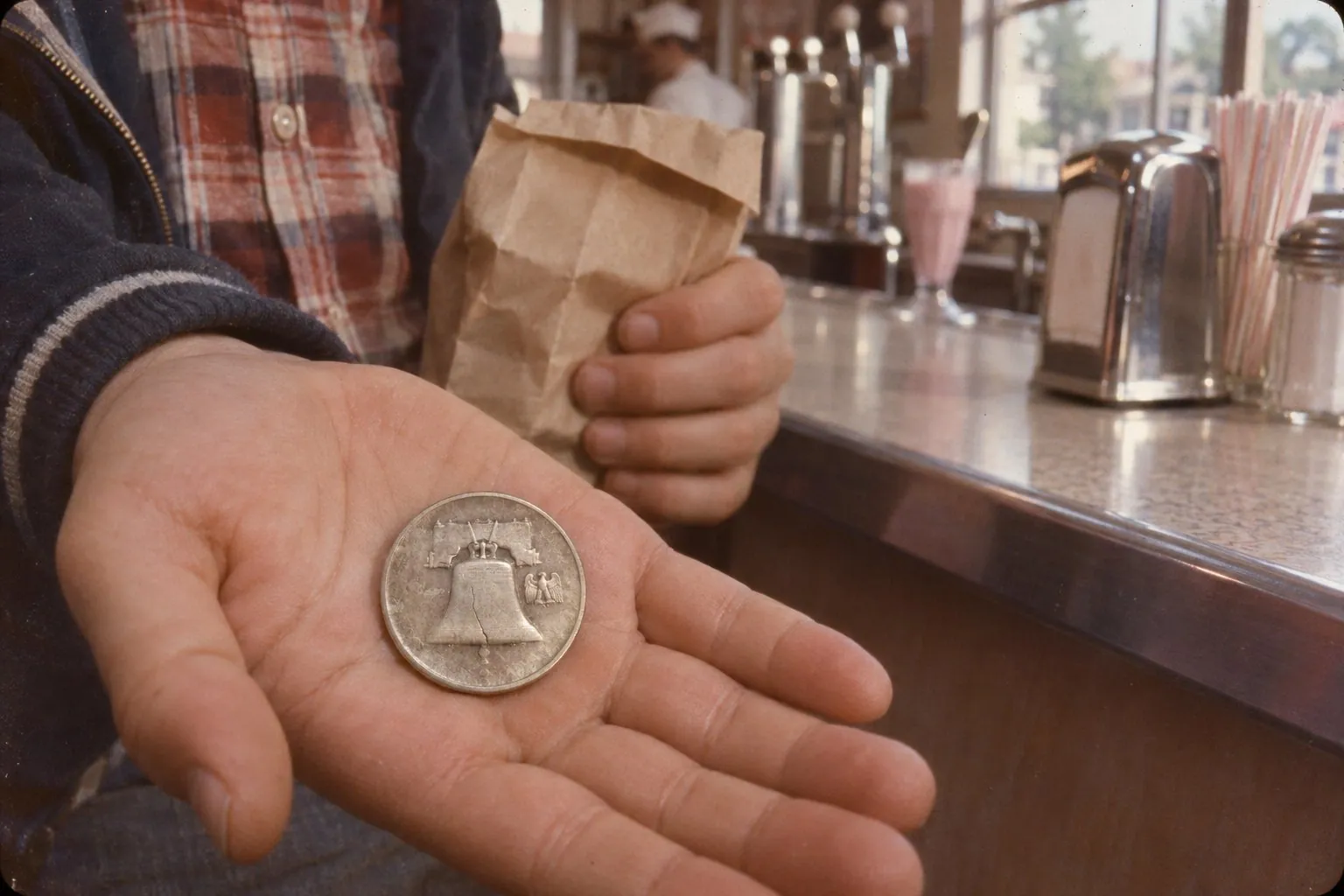
The Franklin half dollar has Ben Franklin on the front and the cracked Liberty Bell on the back. It was made from 1948 through 1963, according to Coin World. CoinWeek notes it was the first circulating half dollar to show a historical person instead of the figure of Liberty.
These coins are 90% silver, so even a worn 1950 half dollar is worth at least its silver content, which changes daily. Coin World notes that 1950 had the lowest proof mintage of the whole series. In 1950, that half dollar was worth about $6.50 in today's money.
How much were stamps in 1960?
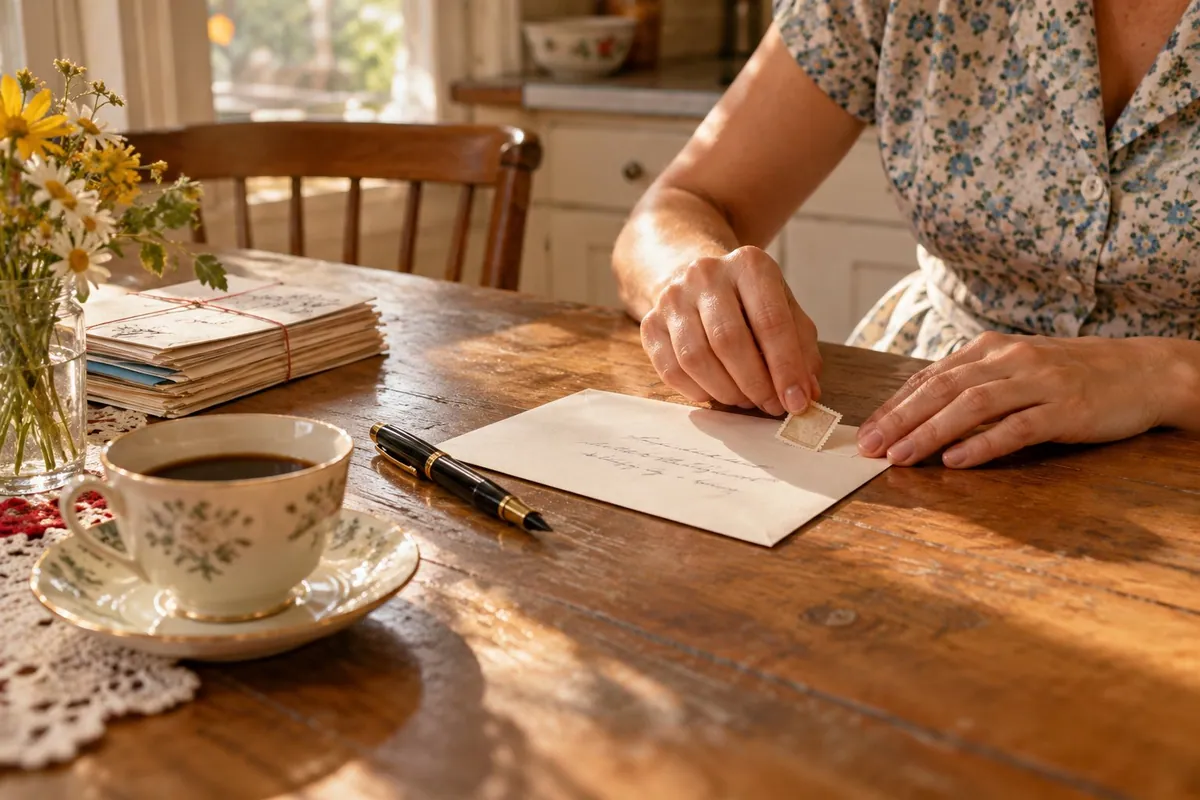
Fast Company's USPS rate list shows the letter rate held at 3 cents until August 1, 1958, when it went to 4 cents (about 44 cents today). So in 1960 you paid 4 cents, about 42 cents today, to mail a letter or pay a bill. Then the price changed again a few years later.
How much did a stamp to mail a letter cost in 1963?
Frequently asked questions
Is a 1950 $20 dollar bill with a star worth more?
Yes, usually. Silver Recyclers puts most 1950A star twenties at about $60 in very fine condition and about $115 in extremely fine. Uncirculated star notes graded MS 63 bring about $175 to $200.
Is a 1950 miscut 20 dollar bill worth anything extra?
A slight off-center cut usually adds little or nothing. A collector on CoinTalk said it can even hurt the price. Bigger errors, like gutter folds, have been valued at around $100.
How much were stamps in 1960?
A first-class stamp cost 4 cents in 1960, about 42 cents today. That rate began August 1, 1958, and lasted until January 7, 1963, when it rose to 5 cents.
Can I still spend an old 20 dollar bill from 1950?
Yes. U.S. paper money stays legal tender, so a bank will take it at face value. But most 1950 twenties are worth a few dollars more to a collector, so check yours first.
Sources
- 1950 $20 Federal Reserve Notes Small Note Values & Prices, Greysheet (CDN Publishing), accessed 2026
- Stamps price history by year as USPS postal cost goes up again, Fast Company, 2023
- Series 1950A $20, USPaperMoney.Info, accessed 2026
- Franklin Half Dollar, Coin World, accessed 2026
- Franklin Half Dollar, 1948-1963: A Collector's Guide, CoinWeek, accessed 2026
- Miscut $20 Bill 1950 B, CoinTalk, 2013
Related Stories
Love a trip down memory lane?
Get a fun quiz every morning. Free · One email a day · Unsubscribe anytime