Transistor Radio Trivia: Under the Covers, at the Ballpark and the Top 40

10 Questions | 30 Points

Question 01/10
0Points

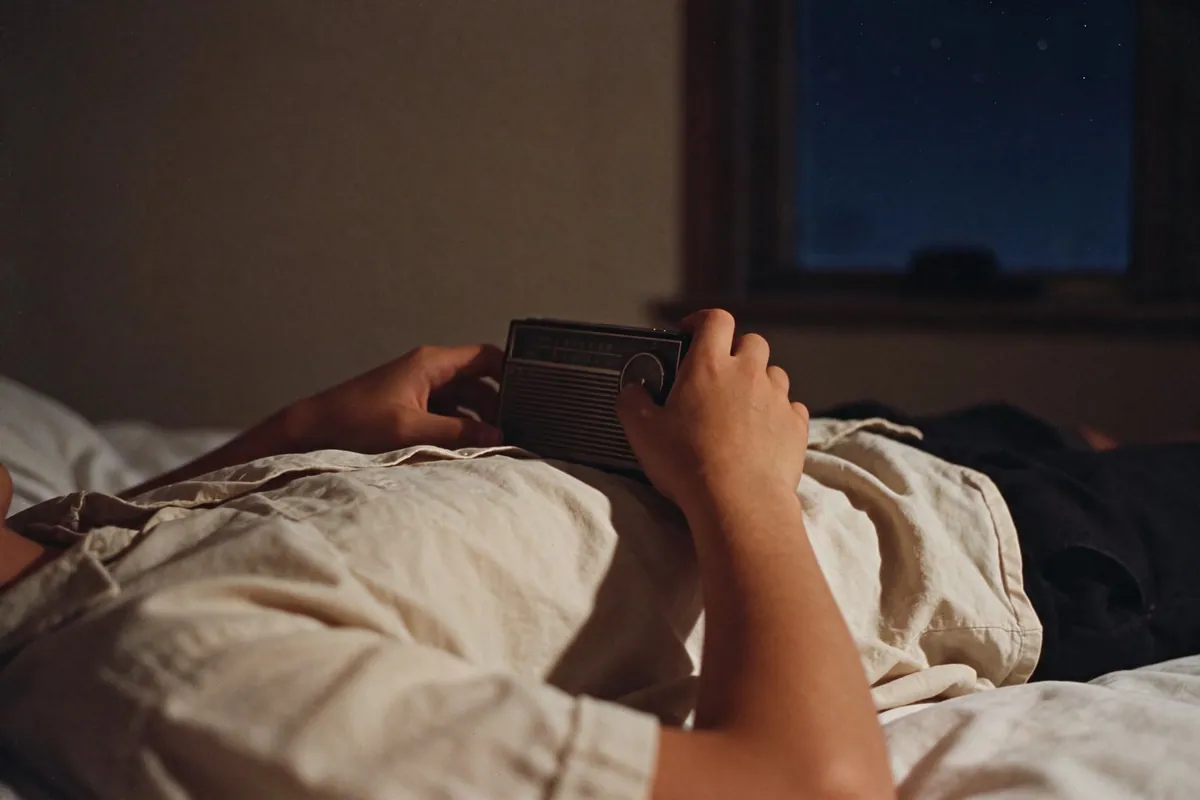
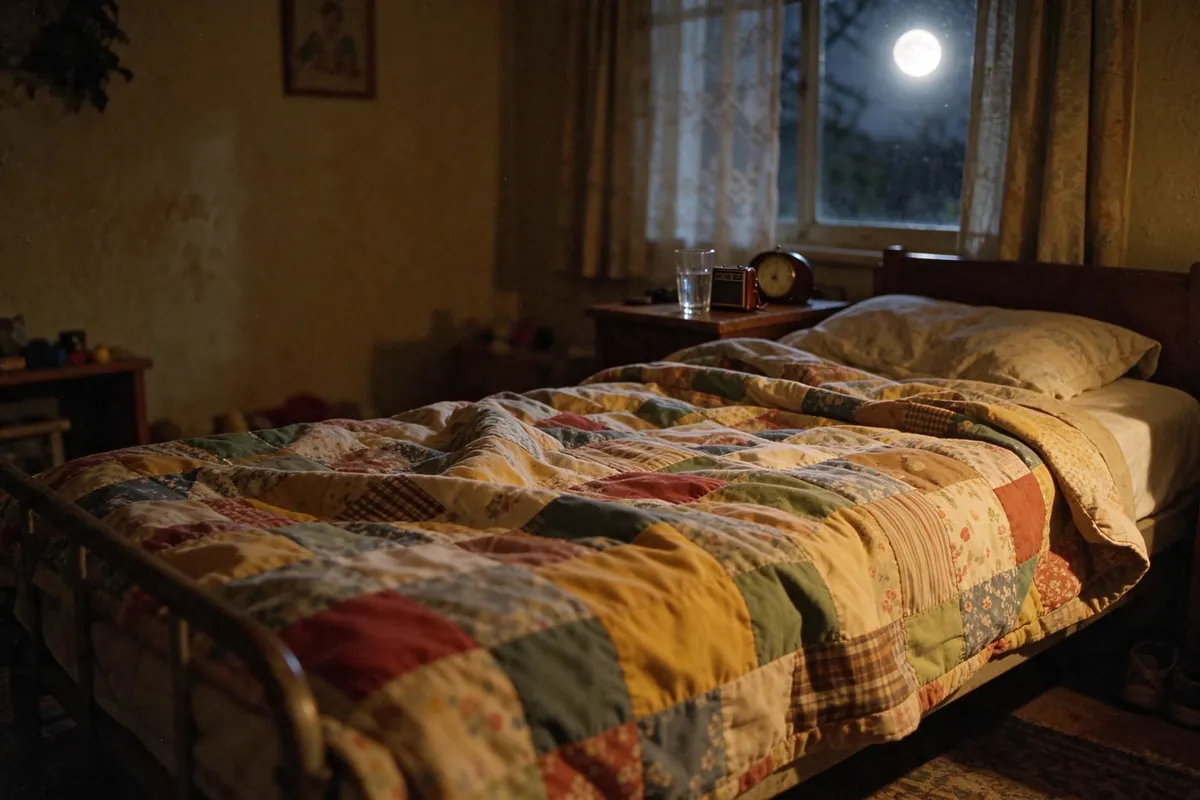
Under the covers at night with your transistor radio, what did you plug in so Mom wouldn't hear?

3/3Points
Under the covers at night with your transistor radio, what did you plug in so Mom wouldn't hear?

Tap to see if you’re rightClick your answer to see if you’re right

Love a trip down memory lane? Get a fun quiz every morning☀️ Get a fun quiz every morning

Free · One email a day · Unsubscribe anytime

All 10 questions in this quiz

Played it already? Here is every question again. Tap “Show the answer” to see the right one and why.

Under the covers at night with your transistor radio, what did you plug in so Mom wouldn't hear?

1. Under the covers at night with your transistor radio, what did you plug in so Mom wouldn't hear?

Show the answer

Answer: A one-ear earphone

That little earphone came in the box, and it let you hear the Top 40 long after lights out. Some of us fell asleep with it still in our ear.
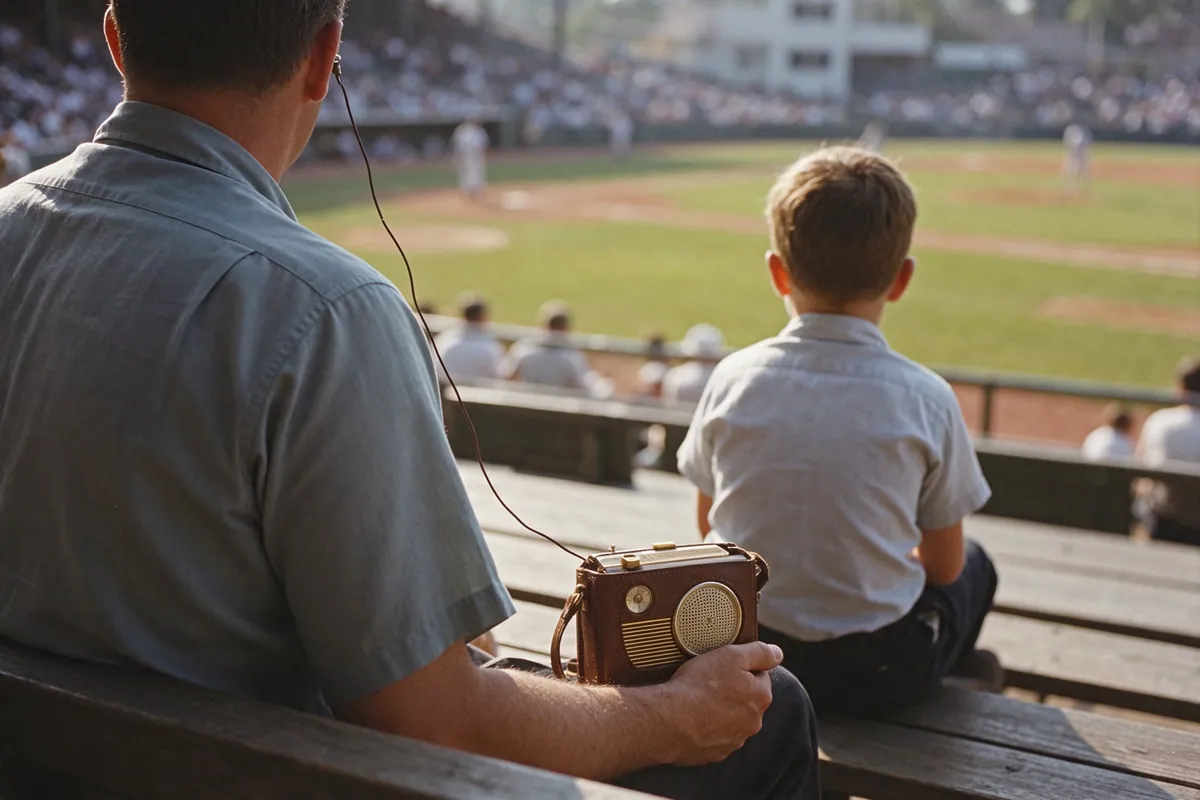
Out at the ballpark, why did so many fans in the stands hold a transistor radio to one ear?

2. Out at the ballpark, why did so many fans in the stands hold a transistor radio to one ear?

Show the answer

Answer: To hear the announcer call the game

You could see the whole field and still wanted the voice telling you about it. Dad sat in the bleachers with the radio pressed to his ear, nodding at every pitch.

You called the station and asked the DJ to play a song "for Linda, from you know who." What was that called?

3. You called the station and asked the DJ to play a song "for Linda, from you know who." What was that called?

Show the answer

Answer: A dedication

You sat by the radio for an hour waiting to hear it. If the DJ read it on the air, the whole school knew by Monday.

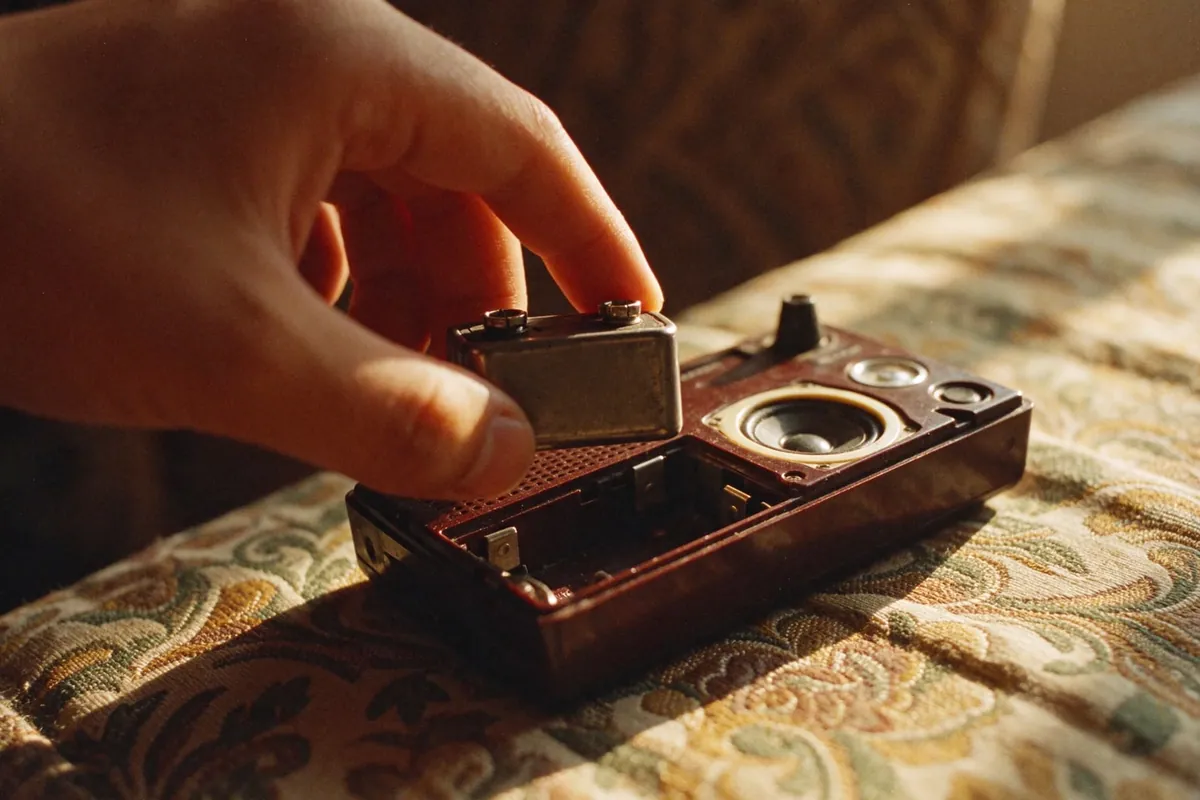
Your radio was fading, so you checked its little square battery the way every kid did. How?

4. Your radio was fading, so you checked its little square battery the way every kid did. How?

Show the answer

Answer: Touched it to your tongue

A sharp little tingle meant there was life left in it, and no tingle meant begging Dad for a new one. Nobody ever forgot that zing.

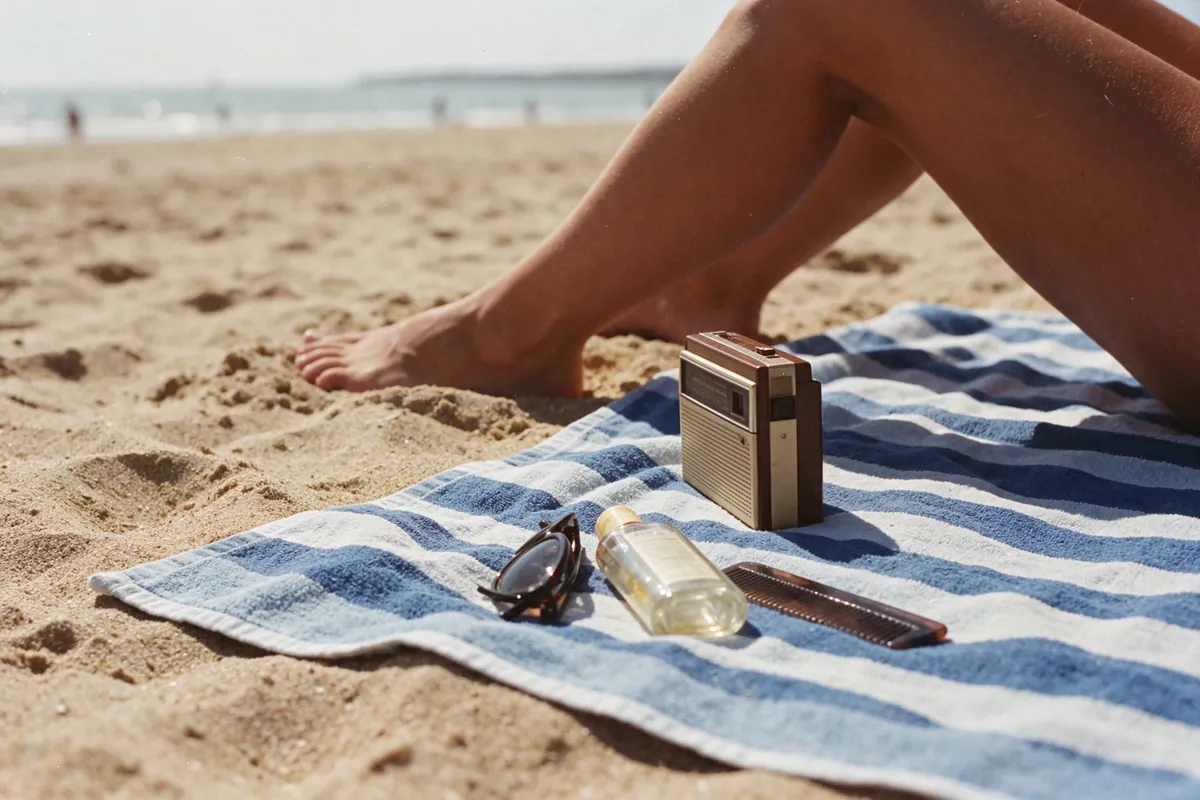
Summer of 1960, every beach blanket radio played Brian Hyland's song about an "itsy bitsy, teenie weenie, yellow polka dot" what?

5. Summer of 1960, every beach blanket radio played Brian Hyland's song about an "itsy bitsy, teenie weenie, yellow polka dot" what?

Show the answer

Answer: Bikini

The song hit number one in August 1960. It came out of a hundred little radios at once, all up and down the beach.

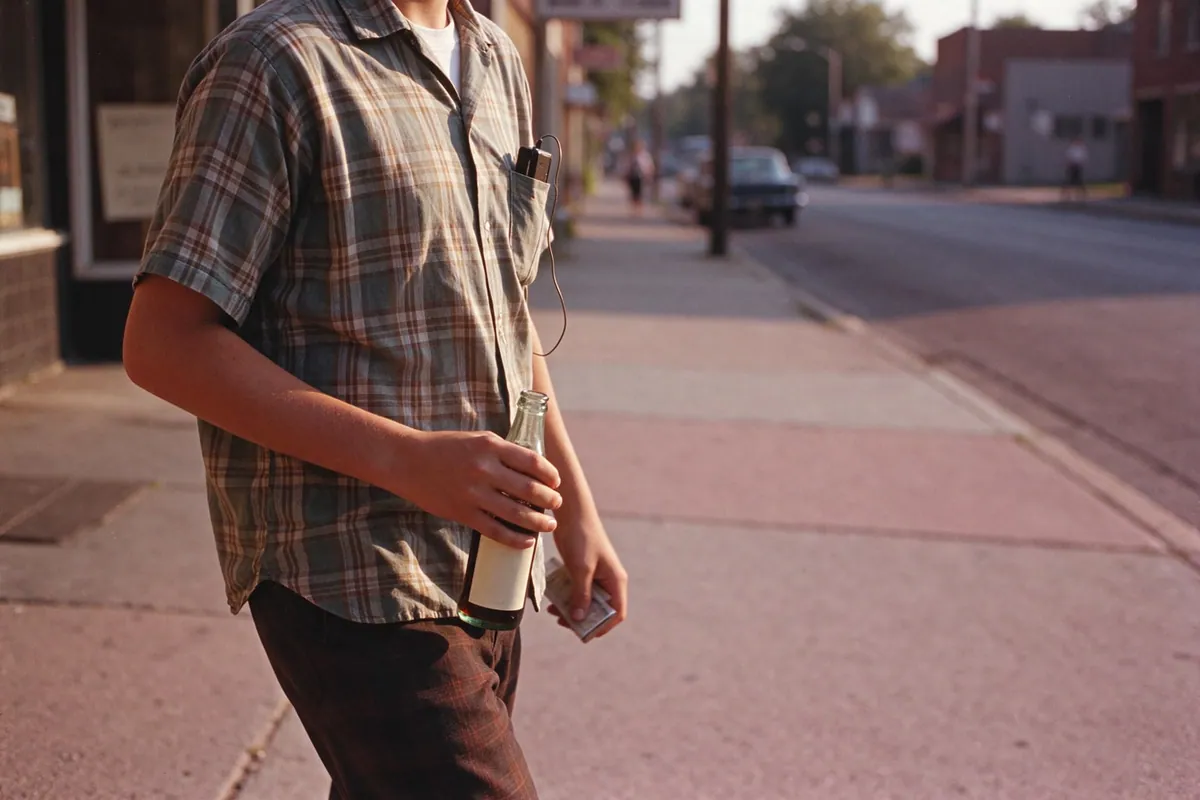
Dad's radio filled a shelf and hummed. Why could your little transistor fit right in a shirt pocket?

6. Dad's radio filled a shelf and hummed. Why could your little transistor fit right in a shirt pocket?

Show the answer

Answer: It had no glowing tubes

Tiny transistors did the job of those big hot tubes, so the whole radio shrank to the size of a deck of cards. For the first time, music could go wherever you went.

The story goes that Top 40 radio began when a station owner watched customers in an Omaha bar doing what?

7. The story goes that Top 40 radio began when a station owner watched customers in an Omaha bar doing what?

Show the answer

Answer: Playing the same jukebox songs

As the story goes, Todd Storz saw people feed the jukebox to hear the same few hits again and again. So he played the hits over and over on the radio, and Top 40 was born.

Late at night, Wolfman Jack howled and his voice carried across half the country. Where was his station?

8. Late at night, Wolfman Jack howled and his voice carried across half the country. Where was his station?

Show the answer

Answer: Just across the border in Mexico

Mexican "border blaster" stations ran far more power than American stations were allowed. Kids hundreds of miles away lay in bed listening, and the Wolfman felt like a secret friend.

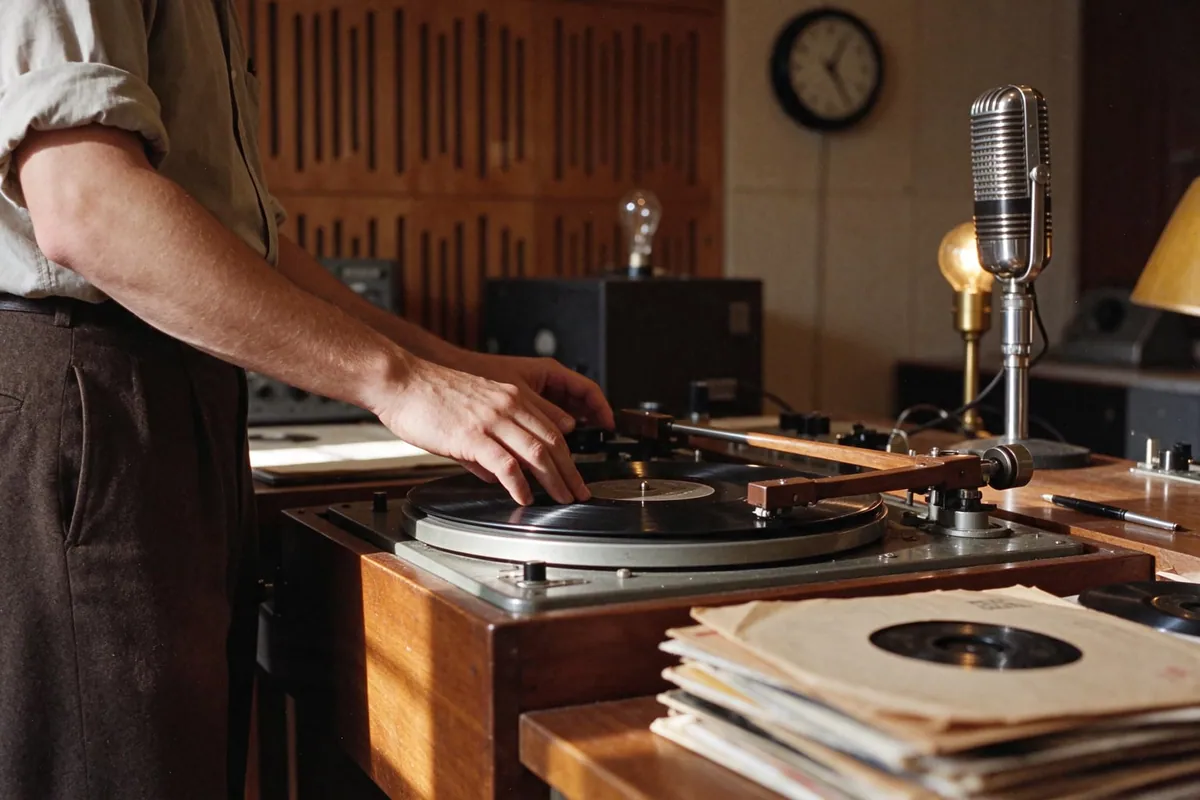
Which DJ, famous on Cleveland and then New York radio, helped make the words "rock and roll" stick?

9. Which DJ, famous on Cleveland and then New York radio, helped make the words "rock and roll" stick?

Show the answer

Answer: Alan Freed

Alan Freed played rhythm and blues records for white and Black teenagers alike in the early 1950s and called it rock and roll. Parents were horrified, and kids turned the radio up.

Sunday afternoon, the countdown reached number one. How did Casey Kasem sign off "American Top 40"?

10. Sunday afternoon, the countdown reached number one. How did Casey Kasem sign off "American Top 40"?

Show the answer

Answer: "Keep reaching for the stars"

"Keep your feet on the ground and keep reaching for the stars." Hearing it again, you're back in your room with the radio on and your whole life ahead of you.